
The New Luxury Travel Shift: From Five-Star Hotels to Experience-Driven Escapes
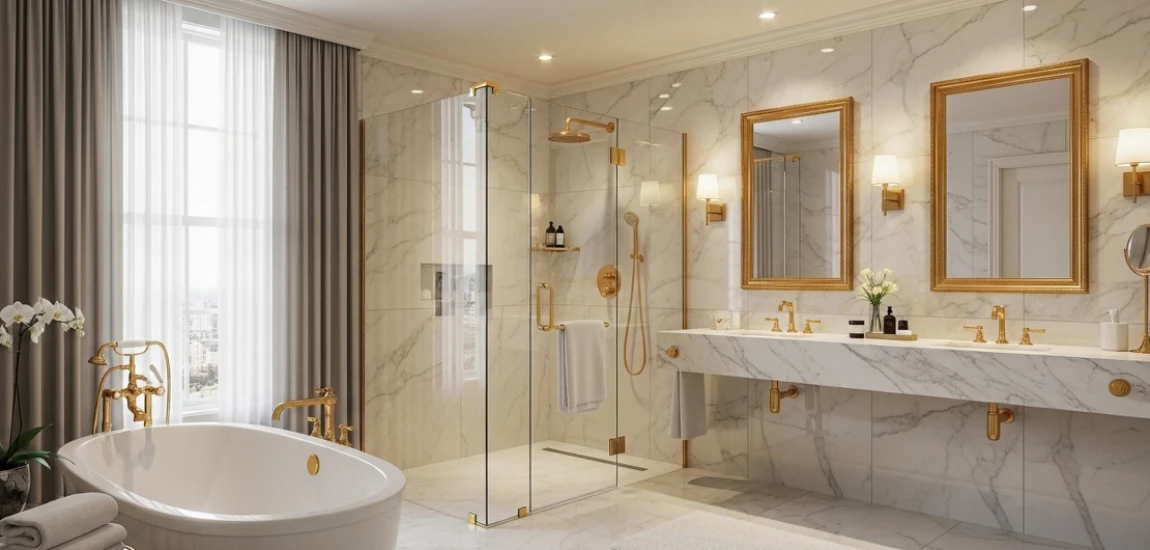
For decades, luxury travel was synonymous with five-star hotels, marble lobbies, white-glove service, and recognizable brand names. The more exclusive and expensive the property, the higher its perceived status. However, the definition of luxury is undergoing a profound transformation. Today’s high-end travelers are less impressed by opulence alone and more interested in how a journey makes them feel, what it teaches them, and how deeply it connects them to a place.
This new luxury travel shift reflects broader cultural and psychological changes. Wealthier travelers, especially millennials and Gen Z, prioritize time, personalization, privacy, and meaning over traditional symbols of prestige. Luxury has moved away from uniformity and toward individuality. Instead of asking “Is it five-star?” travelers now ask “Is it unforgettable?”
In this article, we’ll explore how luxury travel is evolving, why experience-driven escapes are replacing conventional five-star stays, and what this shift means for travelers and the global travel industry.
Why Traditional Five-Star Luxury Is Losing Its Appeal

Five-star hotels once represented the pinnacle of comfort and exclusivity, but their dominance is slowly fading as traveler expectations evolve.
Standardization and predictability fatigue
Global luxury hotel brands offer consistency, but that consistency has become a drawback. Many five-star properties feel interchangeable regardless of location. Travelers increasingly crave uniqueness rather than familiar luxury templates repeated across destinations.
Status signaling is no longer enough
Luxury used to be about visibility—grand entrances, recognizable brands, and social proof. Today, discreet luxury is more desirable. High-net-worth travelers prefer privacy, subtlety, and experiences that don’t need validation on social media.
Emotional value outweighs material excess
Marble bathrooms and concierge desks no longer guarantee satisfaction. Travelers want emotional engagement, storytelling, and moments that feel personally meaningful rather than materially impressive.
This erosion of traditional luxury doesn’t mean comfort is irrelevant—it means comfort is now expected, not exceptional.
The Rise of Experience-Driven Escapes

Experience-driven travel has become the defining feature of modern luxury.
Luxury as transformation, not indulgence
Today’s luxury travelers seek journeys that change perspective or enrich life. This includes cultural immersion, personal growth, creative exploration, and wellness-focused travel.
Curated moments over amenities
Instead of spas and buffets, travelers value private access, guided storytelling, and rare experiences—such as meeting local artisans, private nature encounters, or behind-the-scenes cultural access.
Emotional exclusivity
True luxury is now defined by access to experiences others can’t easily replicate. Emotional exclusivity—feeling deeply connected to a moment or place—has replaced material exclusivity.
Experience-driven escapes offer something five-star hotels alone cannot: a sense of meaning that lingers long after the trip ends.
Personalization as the New Luxury Standard

Personalization sits at the core of the new luxury travel shift.
Bespoke travel over packaged itineraries
Luxury travelers increasingly reject pre-set packages. They want trips tailored to their interests, pace, and emotional goals. Custom itineraries feel more valuable than expensive add-ons.
Understanding the traveler, not the trend
Modern luxury brands invest in understanding guest preferences, habits, and motivations. Personalization isn’t about upselling—it’s about relevance.
Technology-enhanced customization
AI and data analytics help luxury providers anticipate needs, from preferred dining styles to ideal activity pacing. Technology quietly enhances personalization without disrupting the experience.
In the new luxury landscape, feeling understood is more valuable than being impressed.
Nature, Privacy, and Remote Escapes Redefine Luxury

Seclusion and nature have become central pillars of modern luxury travel.
Escape from crowds and noise
After years of global disruption, travelers associate luxury with peace and space. Remote villas, private islands, and wilderness lodges offer sanctuary from overstimulation.
Nature as a luxury asset
Pristine landscapes, silence, and clean air are now seen as premium experiences. Nature-based luxury travel emphasizes restoration rather than spectacle.
Privacy as the ultimate indulgence
Luxury travelers value control over their environment. Private accommodations, flexible schedules, and exclusive access deliver a sense of autonomy unavailable in traditional hotel settings.
This shift explains the growing popularity of eco-lodges, safari camps, and secluded retreats over urban five-star properties.


Ben Schlappig runs "One Mile at a Time," focusing on aviation and frequent flying. He offers insights on maximizing travel points, airline reviews, and industry news.
Ben Schlappig

Prev Post

Next Post