
Streets That Smell Better Than They Look (and That’s a Good Thing)
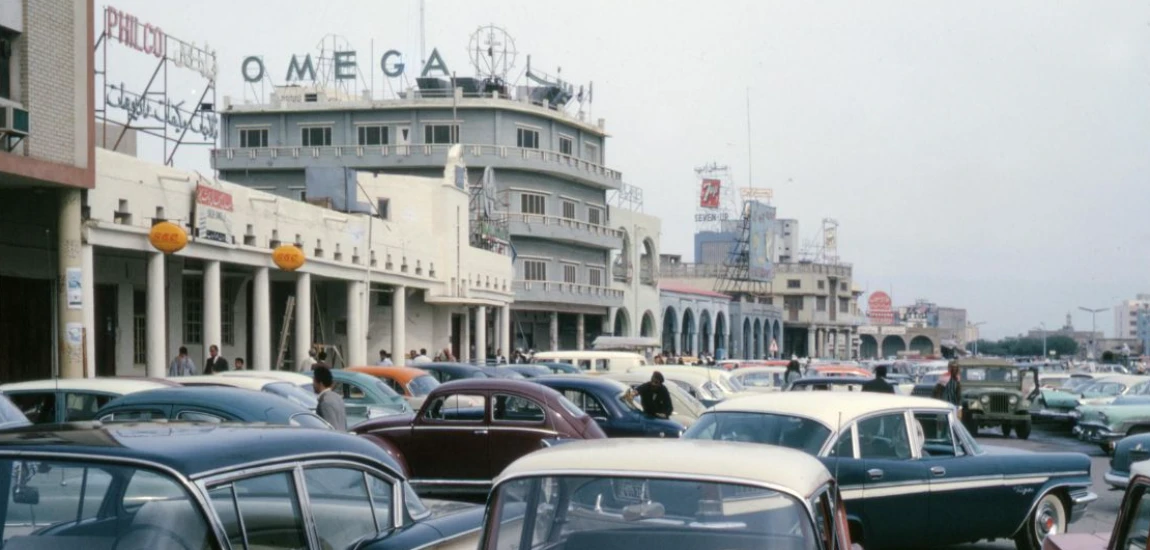
We often choose travel destinations based on what we see—glossy brochures filled with colorful facades, perfectly lit landmarks, and postcard-worthy streetscapes. But here’s the thing: some of the best streets in the world aren’t much to look at. Their cracked pavements, chaotic signage, or peeling paint might not scream “Instagram-ready.” And yet, the moment you step onto them, your senses are overtaken by something far more memorable—smell.
Aromas can transform an ordinary street into a destination in its own right. Whether it’s the warm perfume of spices in a bustling market, the comforting scent of fresh bread wafting from a corner bakery, or the briny tang of sea air mingling with grilled fish, these places prove that beauty isn’t always visual. Sometimes, it’s carried on the breeze.
In this guide, we’ll explore streets that smell better than they look—places where the scent tells a story, connects you to local culture, and stays in your memory long after the photos fade.
Spice Bazaar Streets – Istanbul, Turkey
The Eminönü district in Istanbul may not immediately wow you with polished beauty. The streets around the Spice Bazaar are a tangle of vendor stalls, hand-painted signs, and foot traffic so dense you might feel like part of a human river. But close your eyes and inhale, and you’ll understand why people travel halfway across the world to be here.
The air is thick with the scent of cinnamon, cardamom, dried rose petals, and sumac. Shopkeepers scoop saffron into paper packets, grind cumin seeds fresh to order, and sell mountains of dried figs and apricots. As you wander, you’ll catch sweet notes from lokum (Turkish delight) shops and savory aromas from roasting nuts.
While the walls might be faded and the pavement uneven, every scent carries the weight of centuries-old trade routes and culinary tradition. The experience is immersive, pulling you deeper into the neighborhood’s history with each breath. For travelers, it’s a reminder that the most authentic cultural experiences often come wrapped in sensory layers—not glossy visuals.
Tip: Visit in the morning when the stalls are restocked and the spices are freshest.

Fresh Bread Alleys – Paris, France
Not every Parisian street looks like a movie set. Away from the grand boulevards and manicured Haussmann buildings are narrow alleys where cracked sidewalks lead to tiny boulangeries. Here, the scent of fresh bread can stop you in your tracks.
These streets aren’t famous for their looks—delivery vans may block the view, bins might be waiting for collection, and graffiti can share space with charming old doors. But the moment you pass an open bakery door, warm, yeasty air spills out, carrying the promise of a perfect baguette or croissant.
What makes this experience special is its everyday nature. You’re not on a culinary tour or inside a fine dining restaurant—you’re simply walking down a lived-in street, sharing the same scents Parisians wake up to. That shared intimacy is something no glossy travel ad can replicate.
Tip: If you smell fresh bread, follow your nose inside. Even the most humble neighborhood bakery can offer a world-class pastry.

Curry-Scented Lanes – Brick Lane, London
Brick Lane’s visual appeal is… subjective. Its walls are a patchwork of graffiti, its sidewalks often cluttered with market debris, and its Victorian buildings lean toward the weathered side. But to judge this famous East London street by its looks would be a mistake.
The real charm here is in the scent of spices drifting from Bangladeshi and Indian restaurants that line the street. Cumin, coriander, turmeric, and chili mingle in the air, each restaurant subtly advertising its signature curry through aroma alone. Add to that the smell of sizzling samosas from street vendors, and you have a neighborhood defined by its culinary heritage.
The smells are inseparable from the street’s identity. They tell the story of migration, adaptation, and community—proof that sensory beauty often outlasts architectural glamour.
Tip: Visit on a Sunday when Brick Lane Market is in full swing for an even more intense mix of scents, from street food stalls to fresh coffee carts.

Grilled Seafood Boardwalks – Essaouira, Morocco
Essaouira’s harbor area is not the cleanest corner of Morocco. Fishing nets pile high on the docks, seagulls squabble overhead, and the paint on the market stalls has seen better days. But the moment fresh fish hits the grill, none of that matters.
Street vendors line the waterfront, cooking sardines, calamari, and lobster over open flames. The air is a heady mix of charred seafood, sea salt, and lemon juice. The ocean breeze carries the scent far beyond the waterfront, luring visitors down streets they might otherwise pass by.
It’s not “pretty” in a conventional sense—wooden tables wobble, smoke curls between the stalls, and the harbor’s working nature means there’s a roughness to the surroundings. But the smell makes the imperfections part of the charm.
Tip: Choose a vendor grilling to order—you’ll get the freshest catch and the full sensory effect.

Flower-Filled Lanes – Chiang Mai, Thailand
Not all scent-driven streets are about food. In Chiang Mai’s Old City, certain narrow lanes are lined with small Buddhist temples and garden-filled guesthouses. While the cracked concrete and uneven signage won’t make the travel brochures, the floral and herbal scents will.
Jasmine vines climb over gates, frangipani trees drop sweet-smelling blossoms onto the pavement, and incense smoke drifts from temple courtyards. Add in the faint tang of lemongrass from nearby cooking stalls, and you have a street that smells like a spa, even if it looks like a back alley.
It’s an example of how nature and tradition can quietly transform a street into a sensory sanctuary—one that offers as much cultural insight as any landmark.
Tip: Visit early in the morning when temple incense is freshly lit and flowers are most fragrant.

Coffee Roaster Streets – Medellín, Colombia
In certain corners of Medellín, you’ll find streets that look fairly ordinary—small storefronts, motorbikes parked along the curb, laundry hanging from balconies. But the moment a coffee roaster fires up, the whole street is transformed.
The smell of roasting beans—nutty, smoky, slightly sweet—spills out into the open air, mingling with the scent of sugarcane juice from street carts. This is Colombia’s coffee culture at its most authentic, and it’s experienced best outside the polished cafes, in the neighborhoods where beans are still roasted the old-fashioned way.
It’s not a “picturesque” scene, but it’s real. And when you’re surrounded by that aroma, you realize beauty can be inhaled as much as it can be seen.
Tip: Look for small, family-run roasters—they often sell freshly ground coffee right from the front counter.

Why These Streets Stay in Your Memory
Scent is the most powerful sense for triggering memory. Psychologists call it the “Proust effect,” named after the writer who described being transported back in time by the smell of tea-soaked madeleines. When you walk a street that smells incredible, that experience becomes part of your personal travel memory in a way that photographs alone can’t capture.
These streets—whether they smell of spice, flowers, coffee, or seafood—are immersive experiences. They’re also deeply tied to local identity. You’re not just smelling something nice; you’re breathing in the culture, history, and daily life of the place.
Tips for Finding Aromatic Streets
Follow your nose – The best scent discoveries are often unplanned.
Ask locals – People often know which streets smell best during certain times of day.
Visit in the morning – Bakeries, markets, and flower stalls are most fragrant early.
Explore beyond tourist centers – Residential areas often hold the most authentic smells.



Kate McCulley, the voice behind "Adventurous Kate," provides travel advice tailored for women. Her blog encourages safe and adventurous travel for female readers.
Kate McCulley
Prev Post

Next Post