
Museums You Visit Without Realizing They’re Museums
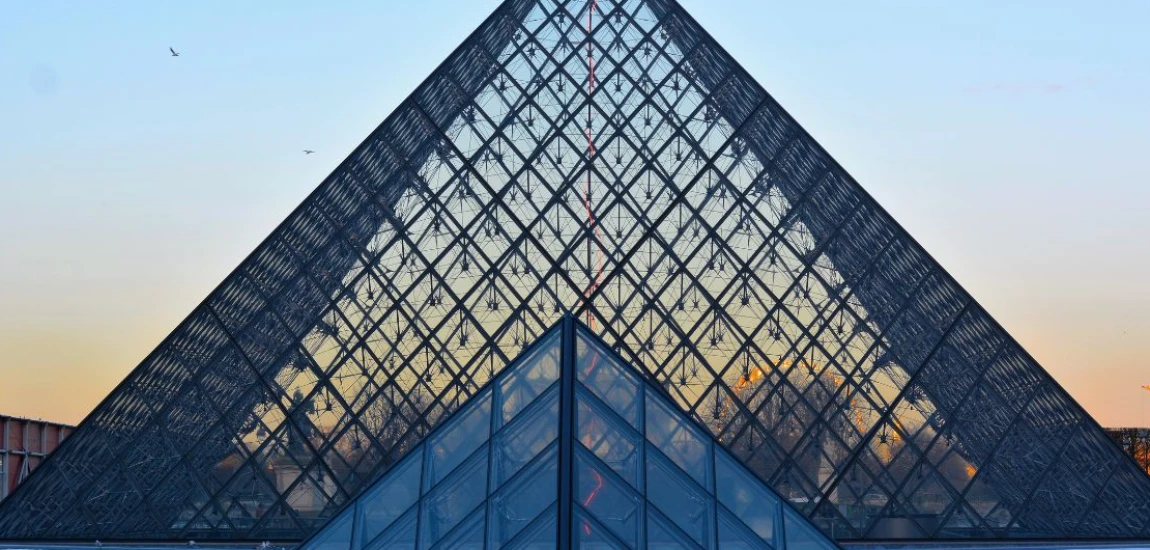
When most people think of museums, they picture imposing stone buildings, long corridors of glass display cases, and neatly printed placards explaining the items inside. While these spaces are undeniably valuable for preserving history, they can sometimes feel formal, even intimidating. But culture doesn’t only live behind velvet ropes and security guards—it thrives in everyday spaces that are alive with activity.
Across the world, there are places that function as museums without calling themselves museums. They might be open-air streets that feel like living time capsules, cafés where the décor itself is a historical exhibit, or working factories that let you step right into the production process. These places don’t just tell you about history—they let you walk through it, touch it, taste it, and become part of it.
The beauty of these “stealth museums” is that you often stumble upon them without planning. You might go for a coffee and end up learning about a century-old literary movement. You might stay at a hotel and accidentally spend hours exploring its archival photographs and antique furnishings. And unlike traditional museums, these spaces blur the lines between past and present in a way that feels casual and natural.
Let’s take a journey through some of the most fascinating examples—places where history is woven seamlessly into daily life, so that you absorb culture almost without realizing it.
The Living Streets of Open-Air History
In certain cities, you can take a walk and unknowingly step into what is, in every practical sense, a museum. Open-air museums are immersive environments that recreate historical settings on a grand scale, letting you experience life in a bygone era. Unlike traditional museum halls, these “living streets” aren’t behind glass—they’re built to be lived in, wandered through, and interacted with.
Take Skansen in Stockholm, widely regarded as the world’s first open-air museum. Spread over a hillside, it’s a collection of farmsteads, workshops, and townhouses relocated from across Sweden, each staffed with guides dressed in authentic period clothing. You can watch a baker knead dough using techniques from the 1800s, step inside a working smithy, or stroll past gardens growing heirloom plants. You’re not just looking at history—you’re standing in the middle of it.
In Beamish, England, the concept is taken to another level. This sprawling museum recreates life in the North East from different eras: the 1820s, the early 1900s, and the post-war years. You can hop on an antique tram, wander into a schoolroom with chalkboards and ink pots, or order fish and chips cooked in coal-fired ranges. It’s as close as you can get to time travel without a DeLorean.
These living history streets matter because they engage all your senses. The smell of freshly baked bread, the sound of horse hooves on cobblestone, the feel of rough wool garments—all create a deeper, more memorable connection to the past than static displays can. And the best part? Many visitors don’t even think of these as museums. They’re places to shop, eat, and socialize, with cultural learning happening almost by accident.

Cafés That Double as Cultural Time Capsules
A good café can transport you to another world with nothing more than the aroma of coffee and the hum of conversation—but some take this idea much further. These are the cafés that are also museums in disguise, preserving a specific slice of history through their interiors, menus, and even clientele.
In Lisbon, Café A Brasileira has been serving strong bica coffee since 1905 and remains a gathering place for artists, writers, and thinkers. The café’s Art Nouveau décor—polished wood counters, brass fixtures, and patterned tiles—hasn’t changed in over a century. Black-and-white photographs of famous patrons line the walls, turning your coffee break into a casual history lesson about Portuguese literary culture.
Vienna takes the concept to another level with its Kaffeehäuser. Step inside Café Central, and you’re surrounded by marble columns, vaulted ceilings, and the ghosts of intellectuals like Freud and Trotsky, who once debated at these very tables. The furniture, silver coffee trays, and pastry displays are part of a living exhibit that has been evolving for over 150 years.
Even outside Europe, this café-museum hybrid thrives. In Havana, Café El Escorial combines traditional Cuban coffee roasting with walls lined with vintage grinders and photographs of Havana’s coffee history. While tourists may come for the caffeine, they leave with a richer understanding of how coffee culture shaped Cuban society.
What makes these spaces so special is their seamless blend of function and heritage. They aren’t frozen in time—they’re still active social hubs. You might not walk in expecting a museum, but you’ll leave having absorbed decades, even centuries, of cultural history without even realizing it.

Working Factories That Tell a Story
Some of the most fascinating museums in the world are places where the work never stops. Industrial heritage sites allow visitors to step into the operational heart of a factory while also exploring its historical significance.
The Guinness Storehouse in Dublin is a masterclass in this dual identity. Spread across seven floors, it’s part brewing facility, part interactive exhibit on the history of Ireland’s most famous stout. You’ll walk through recreated cooperages, vintage advertising displays, and actual brewing equipment, then taste the end product in a rooftop bar. It’s both a sensory and educational experience—history you can literally drink.
In Nagoya, Japan, the Toyota Commemorative Museum of Industry and Technology gives you a front-row seat to Japan’s manufacturing evolution. The space combines working machinery demonstrations with preserved factory floors from the early 20th century. You’ll see massive looms in motion, robotic arms assembling car parts, and detailed timelines showing how technology evolved over the decades.
Even smaller factories can hold hidden museum appeal. In Florence, Italy, family-run leather workshops invite visitors to watch artisans at work while explaining centuries-old tanning and stitching techniques. These are living traditions, passed down through generations, and by visiting, you’re taking part in their preservation.
What sets factory-museums apart is authenticity. The machinery isn’t just for show—it’s part of an ongoing story of craft, industry, and innovation. You’re not looking at relics from a distance; you’re seeing them in motion, doing exactly what they were built to do. That blend of function and history creates a far more dynamic experience than a typical museum visit.



Derek Baron, also known as "Wandering Earl," offers an authentic look at long-term travel. His blog contains travel stories, tips, and the realities of a nomadic lifestyle.
Derek Baron

Prev Post

Next Post