
Smart Tourism Infrastructure Synchronization: Building More Connected and Efficient Destinations
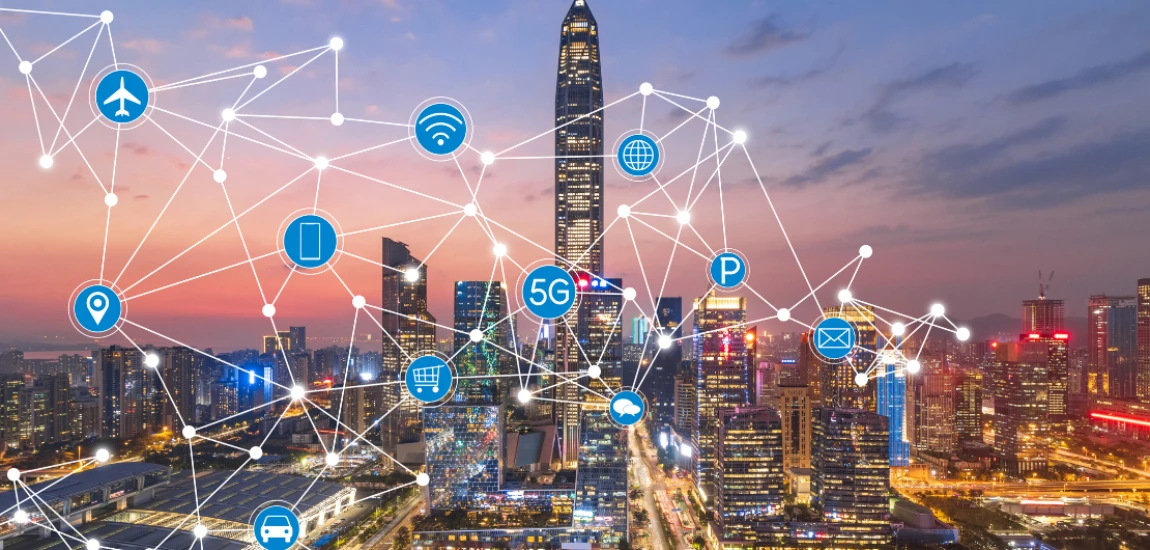
Modern tourism depends on more than attractive destinations, famous landmarks, and memorable experiences. Visitors also need reliable transportation, comfortable accommodation, clean public spaces, accessible information, efficient utilities, and dependable digital connectivity. When these services operate independently, travelers may encounter delays, overcrowding, confusing information, and unnecessary inconvenience. Destinations can also experience wasted resources, operational inefficiencies, and rising pressure on public infrastructure.
Smart Tourism Infrastructure Synchronization is an approach to destination management that coordinates transportation networks, accommodation services, public facilities, utilities, and digital systems so they function more effectively together. By connecting infrastructure planning with real-time information, predictive analytics, and collaboration between stakeholders, destinations can improve visitor experiences while using available resources more efficiently.
For example, transport schedules can be coordinated with hotel check-in times, visitor information platforms can communicate attraction closures, and destination managers can use demand forecasts to prepare public transport and waste collection services for busy periods.
This integrated approach is especially important as destinations manage seasonal tourism, urban congestion, environmental pressures, and changing traveler expectations. Rather than expanding every service independently, smart tourism infrastructure synchronization helps destinations improve coordination, anticipate demand, and develop more resilient tourism systems.
Understanding Smart Tourism Infrastructure Synchronization

What Is Smart Tourism Infrastructure Synchronization?
Smart tourism infrastructure synchronization connects the physical and digital systems that support tourism into a coordinated destination network. These systems include roads, public transportation, hotels, attractions, pedestrian routes, sanitation services, energy supplies, communication networks, and visitor information platforms.
The central principle is that tourism infrastructure performs better when its different components exchange relevant information and respond to shared priorities.
For example, when a major event increases visitor arrivals, transportation providers, accommodation operators, and municipal services may need to adjust their operations simultaneously. Coordinated information can help transport services prepare for passenger demand, hotels manage arrivals, and public authorities organize traffic and waste collection.
Technology supports this coordination through shared data platforms, sensors, digital dashboards, forecasting tools, and communication systems. However, synchronization also requires clear responsibilities, compatible information systems, and cooperation among organizations.
Why Infrastructure Coordination Matters
When tourism services are planned separately, improvements in one area can create difficulties elsewhere. A new attraction may increase demand for roads, parking, public toilets, and public transport without corresponding investment in those services.
Similarly, a hotel district may experience heavy congestion when visitor arrivals coincide with commuting hours or major events.
Smart tourism infrastructure planning helps destination managers identify these relationships before problems become severe. By understanding how visitor movements affect transport, accommodation, utilities, and public spaces, decision-makers can prioritize improvements that benefit the destination as a whole.
Moving Toward Integrated Destination Management
Integrated destination management requires a shared understanding of tourism demand, infrastructure capacity, and service performance.
Local authorities, transport operators, hotel associations, attraction managers, utility providers, and technology partners can establish common goals and coordinated planning processes.
These goals might include reducing congestion, improving accessibility, strengthening emergency preparedness, and lowering resource consumption per visitor.
Destinations can begin with practical coordination projects before investing in complex systems. Sharing event calendars, synchronizing transport information, and developing a common infrastructure dashboard may already improve operations.
By treating infrastructure as an interconnected network, destinations can improve efficiency, strengthen resilience, and deliver more consistent visitor experiences.
Synchronizing Transportation and Visitor Mobility

Connecting Transport Networks With Tourism Demand
Transportation is one of the most important components of tourism infrastructure. Visitors depend on airports, railway stations, buses, taxis, rental vehicles, cycling routes, and pedestrian networks to move between arrival points, accommodation, and attractions.
Smart tourism infrastructure synchronization helps coordinate these transport options with visitor demand.
For example, accommodation booking trends and event schedules may indicate when additional public transport capacity is likely to be needed. Transport operators can use this information to evaluate service frequency, passenger information, and connections between major visitor locations.
Integrated journey-planning tools can also help travelers compare transport options, understand transfer requirements, and identify accessible routes.
These systems should use reliable information and clearly communicate disruptions or uncertainty. A connected transport network is only useful when the information it provides is accurate and understandable.
Reducing Congestion and Travel Friction
Poor coordination between transport services can create long waiting times, missed connections, traffic congestion, and unnecessary vehicle journeys.
Destinations can reduce these problems by aligning public transport schedules with major arrival periods, coordinating event traffic plans, and providing clear directions between transport hubs and popular attractions.
Digital mobility platforms can suggest alternative routes when disruptions occur. Where suitable data is available, visitor management systems can also identify periods when particular roads, parking facilities, or transport services are approaching capacity.
For example, visitors attending a large cultural festival could receive information about designated public transport services and recommended arrival times.
The goal should be to improve mobility without simply transferring congestion from one neighborhood to another. Transport planning must consider residents, workers, emergency vehicles, and visitors together.
Supporting Sustainable and Accessible Mobility
Smart tourism destinations should make it easier to travel without relying exclusively on private cars.
Integrated ticketing, reliable public transport information, bicycle-sharing options, safe walking routes, and suitable connections between attractions can encourage lower-impact travel.
Accessibility must also be incorporated into infrastructure planning. Visitors benefit from accurate information about step-free routes, elevators, accessible vehicles, pedestrian crossings, and distances between transport stops.
Destination managers should coordinate mobility improvements with public-space design and local community needs.
When transportation systems work together, destinations can improve convenience, reduce avoidable emissions, and make tourism more inclusive.
Coordinating Accommodation, Attractions, and Visitor Services

Connecting Accommodation With Destination Operations
Hotels, guesthouses, hostels, and short-term accommodation providers influence visitor movements, service demand, and destination capacity.
When accommodation information is disconnected from wider destination planning, local authorities may struggle to anticipate where visitors will arrive, which areas will experience increased activity, and what additional services may be required.
Responsible data sharing can help destination managers understand broad demand patterns without exposing individual guest details.
For example, aggregated booking trends may indicate that a district will experience high occupancy during a festival. Local services can then review transport availability, pedestrian management, cleaning schedules, and visitor information.
Accommodation providers can also help guests access local transport, discover nearby attractions, and understand community guidelines.
Synchronizing Attraction Bookings and Visitor Flow
Popular attractions often experience uneven demand, with excessive pressure during certain hours and underused capacity at other times.
Reservation systems, timed entry, live visitor information, and demand forecasting can help spread visits more evenly.
If a museum is expected to become crowded during midday, its digital platform might communicate quieter available time slots. Visitors could then adjust their plans, while nearby attractions may benefit from additional visitors.
These recommendations should account for travel times, opening hours, accessibility, and actual booking availability.
Visitor distribution should not merely shift overcrowding to smaller communities or sensitive natural areas. Destination managers need to consider local capacity and environmental impact when promoting alternative attractions.
Creating Seamless Visitor Journeys
A seamless visitor journey connects accommodation, transport, attractions, dining, and public services into a coherent experience.
Digital destination platforms can provide maps, reservation details, public transport updates, event information, and practical visitor guidance in one accessible location.
Hotels may share local travel recommendations, while attractions provide clear arrival instructions and information about nearby services.
Consistent information reduces confusion and helps visitors plan realistic itineraries.
By coordinating accommodation and visitor services, destinations can reduce unnecessary travel, improve customer satisfaction, and support local businesses across a wider area.
Integrating Digital Infrastructure and Smart Destination Technology

Building Connected Data Platforms
Digital infrastructure allows tourism stakeholders to exchange information and coordinate operations.
A smart destination platform may combine transport updates, accommodation demand indicators, attraction schedules, weather information, public-service alerts, and infrastructure performance data.
Rather than requiring every organization to replace its existing technology, destinations can establish compatible systems that share selected information through agreed standards and interfaces.
A central dashboard can help authorized managers monitor demand patterns and identify operational issues.
However, successful integration depends on data quality, clear governance, suitable cybersecurity controls, and agreement about who can access particular information.
Destinations should begin by identifying specific problems to solve and the minimum information needed to address them.
Using Artificial Intelligence and Predictive Analytics
Artificial intelligence and predictive analytics can help destinations anticipate future infrastructure requirements.
Models may analyze historical visitor numbers, accommodation bookings, event calendars, transport usage, and seasonal trends to estimate where demand is likely to increase.
These forecasts can support decisions about staffing, service schedules, public transport capacity, and maintenance planning.
For example, predicted visitor growth around a waterfront attraction might prompt managers to review pedestrian access, public toilets, waste collection, and emergency arrangements.
Forecasts are not guarantees. Unexpected weather, cancellations, disruptions, or changes in traveler behavior can alter demand. Systems should therefore communicate uncertainty and allow staff to apply local knowledge.
Ensuring Digital Inclusion and Cybersecurity
Smart tourism infrastructure must remain usable for visitors who have limited internet access, older devices, disabilities, or low digital confidence.
Essential information should remain available through physical signs, staffed information points, telephone services, and other appropriate offline channels.
Destinations should also protect the digital systems on which their operations depend. Access controls, secure data sharing, software updates, backup procedures, and incident-response plans help reduce cybersecurity risks.
Privacy safeguards are equally important. Systems should favor aggregated or anonymized information when individual-level data is unnecessary.
With reliable technology and inclusive design, digital infrastructure can strengthen destination coordination without excluding visitors or creating unnecessary privacy risks.


Shivya Nath authors "The Shooting Star," a blog that covers responsible and off-the-beaten-path travel. She writes about sustainable tourism and community-based experiences.
Shivya Nath

Prev Post

Next Post