
Smart Tourism Energy and Water Conservation Systems: Building Resource-Efficient Destinations
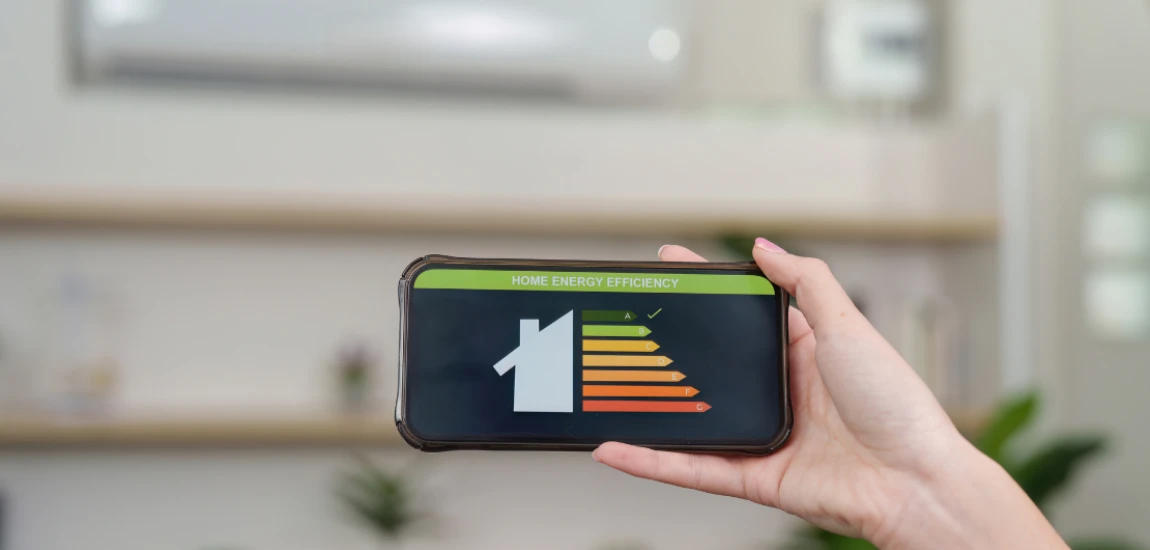
Tourism creates economic opportunities, supports local employment, and connects travelers with natural and cultural attractions. However, hotels, restaurants, transport facilities, entertainment venues, and tourist destinations also consume substantial amounts of energy and water. Air conditioning, lighting, laundry, swimming pools, kitchens, irrigation, and sanitation systems can place significant pressure on local resources, particularly in destinations facing heatwaves, droughts, or seasonal visitor surges.
**Smart Tourism Energy and Water Conservation Systems** offer a practical way to address these challenges. By combining smart meters, connected sensors, automated controls, and predictive analytics, tourism businesses can monitor resource consumption, identify inefficiencies, and make better operational decisions.
Instead of relying exclusively on monthly utility bills or manual inspections, intelligent monitoring systems provide more frequent information about where resources are being used and where waste may be occurring. Hotels can adjust heating and cooling, attractions can optimize lighting, and destinations can detect water leaks before they cause major losses.
These technologies also support sustainability goals by reducing operating expenses, protecting local ecosystems, and helping tourism organizations respond to changing resource demands. This article explores how smart energy and water systems work, their benefits, implementation strategies, and the practical steps destinations can take to improve resource efficiency.
Understanding Smart Tourism Energy and Water Conservation Systems

What Intelligent Resource Management Means
Smart resource management uses digital technology to measure, analyze, and improve the consumption of essential resources. In tourism, this includes electricity, heating and cooling energy, fuel, drinking water, irrigation water, and water used for cleaning and recreation.
Traditional resource management often depends on periodic meter readings, maintenance reports, and utility bills. Although these records are useful, they may not reveal when waste occurs or which equipment causes unusually high consumption.
Smart systems use connected meters and sensors to provide more detailed information. For example, a hotel might discover that an air-conditioning unit consumes excessive electricity overnight or that a water pipe leaks when guest occupancy is low. Maintenance teams can investigate these problems before they generate unnecessary costs.
The objective is to connect resource measurements with practical actions, rather than simply collecting large amounts of data.
Why Tourism Needs Smarter Resource Efficiency
Tourism demand changes throughout the day and across seasons. A resort may experience high electricity use during hot afternoons, while a popular attraction may need additional water and sanitation capacity during peak visitor periods.
Without appropriate monitoring, facilities may operate at maximum capacity even when demand is low. This can waste energy, increase water consumption, and create avoidable maintenance expenses.
Intelligent resource systems help businesses match operations to actual requirements. They can support occupancy-based room controls, demand-responsive lighting, irrigation scheduling, and early detection of equipment problems.
These improvements are particularly important in destinations where water supplies, electricity infrastructure, and environmental resources are already under pressure.
Connecting Sustainability with Business Performance
Resource efficiency can produce both environmental and financial benefits. Lower consumption may reduce utility bills, while early fault detection can prevent equipment damage and expensive repairs.
Tourism businesses can also use verified performance data to establish sustainability targets and communicate progress to customers, investors, and local authorities.
However, technology alone does not guarantee meaningful savings. Results depend on suitable equipment, accurate measurements, maintenance, staff participation, and realistic conservation goals.
A successful system therefore combines intelligent monitoring with clear responsibilities and regular reviews.
Smart Energy Monitoring and Automated Efficiency

Monitoring Electricity Consumption in Real Time
Smart electricity meters and submetering systems help tourism businesses understand where energy is consumed. A hotel may monitor lighting, air conditioning, kitchens, laundry rooms, elevators, and swimming pool equipment separately.
This level of detail makes it easier to identify unusual patterns. For example, if a laundry facility uses significantly more electricity than expected, managers can examine equipment condition, operating schedules, and maintenance records.
Real-time dashboards can display consumption trends and compare usage across different buildings or operating periods. Managers can also establish alerts for unexpected increases in demand.
Accurate measurement is essential. Businesses should consider equipment coverage, sensor calibration, data quality, and whether the system measures total consumption or individual equipment loads.
Automating Heating, Cooling, and Lighting
Heating, ventilation, and air-conditioning systems are often important sources of energy consumption in hotels and visitor facilities. Smart controls can adjust temperatures according to occupancy, outdoor conditions, and operating schedules.
For instance, a hotel room may use an energy-saving setting when unoccupied while maintaining comfortable conditions when guests return. Common areas can use lighting controls that respond to daylight or room usage.
Automated controls should always preserve comfort, safety, and accessibility. Temperature limits, manual overrides, and appropriate ventilation are important, particularly in extreme weather.
Businesses should also avoid assuming that every automated setting will produce savings. Performance needs to be evaluated against actual consumption and guest feedback.
Integrating Renewable Energy and Energy Storage
Smart energy platforms can help destinations coordinate solar panels, battery storage, and electricity demand. Where renewable generation is available, facilities may schedule suitable activities during periods of stronger solar output or use stored electricity during higher-demand periods.
Hotels, visitor centers, and attractions can assess whether renewable energy investments suit their building design, operating patterns, and local electricity arrangements.
Energy monitoring can also reveal opportunities to replace inefficient equipment, improve insulation, and maintain cooling systems more effectively.
A sensible approach is to establish a consumption baseline first, implement practical efficiency measures, and then evaluate renewable energy investments using realistic cost and performance estimates.
Intelligent Water Conservation and Leak Detection

Detecting Leaks Before They Become Serious
Water leaks can waste substantial amounts of water while increasing utility costs and damaging buildings. In tourism facilities, leaks may occur in guest rooms, kitchens, laundry areas, irrigation systems, swimming pools, and underground pipes.
Smart water meters can monitor flow patterns and flag unusual consumption. For example, water continuing to flow during periods of low occupancy may indicate a leak or malfunctioning equipment.
More advanced systems can use pressure sensors and flow monitoring to help maintenance teams narrow down the location of a problem.
Alerts should trigger a clear response procedure. Staff need to know who investigates the issue, how water supplies can be isolated safely, and how repairs are recorded.
Automated shutoff systems may be useful in selected applications, but they should be designed to avoid interrupting essential services or creating additional safety risks.
Improving Water Use in Guest Rooms and Facilities
Hotels can reduce water waste through efficient showerheads, faucet aerators, dual-flush toilets, and appropriately maintained plumbing. Smart systems can complement these measures by monitoring consumption and identifying equipment that performs outside expected ranges.
Laundry operations offer another opportunity. Businesses can review washing schedules, machine efficiency, load sizes, and suitable reuse practices to avoid unnecessary consumption.
Swimming pools, spas, and cooling systems require careful monitoring because evaporation, filtration, backwashing, and maintenance can affect water demand.
Conservation measures should not compromise hygiene, sanitation, or guest wellbeing. Clear maintenance standards and staff training help ensure that water-saving practices remain safe and effective.
Using Smart Irrigation and Alternative Water Sources
Landscaped hotels, golf courses, parks, and outdoor attractions may consume significant amounts of water for irrigation. Soil-moisture sensors, weather information, and automated irrigation controls can help match watering schedules to actual plant requirements.
For example, a system may delay irrigation after rainfall or reduce watering when soil moisture is sufficient. Selecting native or climate-appropriate plants can further reduce long-term demand.
Where regulations and infrastructure permit, destinations may also evaluate rainwater harvesting and treated wastewater reuse for suitable non-potable purposes, such as irrigation.
Alternative water sources require appropriate treatment, separation, labeling, and monitoring. They should never be used for drinking or other purposes unless they meet the applicable safety requirements.


Shivya Nath authors "The Shooting Star," a blog that covers responsible and off-the-beaten-path travel. She writes about sustainable tourism and community-based experiences.
Shivya Nath

Prev Post
Next Post