
Smart Tourism Circular Economy Coordination Models: Building Sustainable and Resource-Efficient Tourism Networks
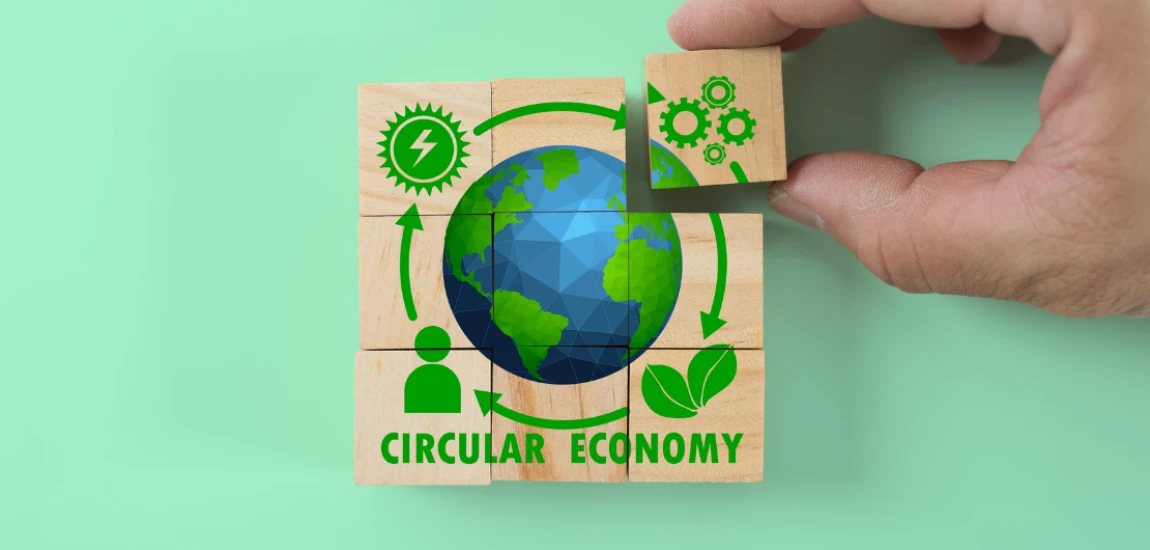
Tourism creates significant economic opportunities for destinations, supporting hotels, restaurants, farmers, transport providers, retailers, and local communities. However, these activities also generate food waste, packaging, wastewater, discarded materials, and unnecessary resource consumption. When businesses operate independently, many valuable resources are lost because one organization's waste is not recognized as another organization's potential input.
**Smart Tourism Circular Economy Coordination Models** offer a practical solution by connecting tourism businesses, local suppliers, recycling organizations, and public authorities through coordinated resource-sharing systems. These models use digital platforms, predictive analytics, waste tracking, and collaborative planning to keep materials in productive use for as long as possible.
For example, a hotel may send suitable food scraps to a composting facility, which supplies compost to nearby farms. Those farms can then provide fresh produce to local restaurants and accommodation providers. Similarly, recyclable packaging, reusable transport containers, and recovered materials can circulate through local business networks instead of being discarded.
This approach transforms tourism from a largely linear system of consumption and disposal into a circular economy that prioritizes reuse, recovery, resource efficiency, and local economic value.
By coordinating these activities intelligently, destinations can reduce operating costs, improve environmental performance, strengthen local supply chains, and create new business opportunities. The following sections explain how smart circular tourism coordination models work and how destinations can implement them effectively.
Understanding Smart Tourism Circular Economy Coordination Models

Moving From Linear Consumption to Circular Tourism
Traditional tourism supply chains often follow a linear pattern: resources are extracted, products are purchased, goods are consumed, and waste is discarded. Hotels buy food and amenitis, restaurants prepare meals, transport providers consume fuel, and businesses dispose of packaging and other materials after use.
Although this system can deliver convenient services, it frequently overlooks opportunities to recover value from materials that remain useful.
A circular tourism economy changes this approach by prioritizing waste prevention, product reuse, repair, recycling, and resource recovery. Instead of treating waste as an unavoidable cost, tourism businesses identify ways to return materials to productive use.
For example, reusable delivery containers can replace disposable packaging, while surplus edible food can be redirected through appropriate donation programs. Organic waste that cannot be safely redistributed may be processed into compost or other suitable products.
Connecting Tourism Businesses Through Smart Coordination
Circular systems work best when participating organizations exchange information and coordinate their activities. Digital coordination platforms can help hotels, restaurants, farms, waste collection companies, recycling businesses, and transport providers identify available resources and suitable recipients.
These systems may record material quantities, collection schedules, storage conditions, processing requirements, and delivery locations. Matching these details helps businesses determine whether a particular material can be reused or recovered economically.
For instance, a restaurant generating large quantities of vegetable scraps could be connected with a nearby composting operation that has sufficient processing capacity. The platform can help arrange collection and monitor the quantity diverted from disposal.
Creating Shared Environmental and Economic Value
The benefits of circular tourism extend beyond reducing landfill waste. Businesses may lower purchasing and disposal costs, local suppliers may gain new customers, and destinations may reduce pressure on landfills and natural resources.
Coordination also supports stronger relationships between tourism operators and local communities. When recovered materials remain within the regional economy, more value can circulate among local businesses.
However, circularity requires appropriate infrastructure, reliable quality standards, and transparent responsibilities. A digital platform alone cannot make an unsuitable material reusable. Successful models combine technology with practical logistics, business cooperation, and measurable environmental objectives.
Connecting Hotels, Restaurants, and Farms Through Circular Supply Chains

Transforming Food Waste Into Useful Resources
Food is one of the most important areas for circular tourism coordination because hotels, restaurants, catering companies, and resorts often manage substantial quantities of perishable products.
Smart inventory systems can analyze occupancy forecasts, restaurant reservations, historical consumption, and seasonal demand to help businesses purchase more accurately. Better forecasting can reduce overordering, spoilage, and unnecessary preparation.
Where safe and legally permitted, suitable surplus food can be donated to community organizations. Food that is no longer suitable for human consumption may be directed toward appropriate animal feed or organic waste processing, subject to local regulations and safety requirements.
This hierarchy matters: preventing food waste and redistributing edible surplus should generally come before processing discarded food into lower-value products.
Building Farm-to-Tourism Partnerships
Local farms can become essential partners in circular tourism supply chains. Hotels and restaurants may purchase seasonal produce directly from farmers, reducing dependence on distant suppliers and creating more predictable local markets.
These partnerships can also support reusable delivery crates, coordinated transport, and improved packaging practices. Farmers can communicate expected harvest quantities, while tourism businesses share purchasing forecasts to reduce mismatches between supply and demand.
In suitable circumstances, farms may receive properly processed compost made from segregated organic waste. This can help return nutrients to agricultural soils, provided the compost meets quality and safety standards.
Coordinating Regional Resource Exchanges
A regional resource exchange can connect businesses that produce surplus materials with organizations capable of using them. Participating farms might supply seasonal produce, hotels might provide reusable containers, and restaurants might arrange organic waste collection.
To make these exchanges reliable, coordinators should establish clear material specifications, collection schedules, pricing arrangements, and responsibilities for contamination or rejected loads.
Practical implementation tips include conducting food waste audits, beginning with a small group of participating businesses, and measuring changes in purchasing costs and waste generation.
By strengthening these relationships, tourism destinations can create shorter, more transparent supply chains that support local agriculture, improve resource efficiency, and retain more economic value within the community.
Using Digital Technology to Coordinate Circular Tourism Networks

Applying Smart Platforms and Real-Time Data
Digital platforms provide the information infrastructure needed to coordinate resource flows across different tourism businesses. A shared system can record available materials, expected quantities, collection times, storage conditions, and the locations of potential recipients.
For example, a hotel may report that it generates a predictable volume of cardboard every week. A recycling company can use this information to plan collections, combine deliveries from several businesses, and reduce unnecessary vehicle journeys.
Dashboards can also help destination managers identify which materials are frequently discarded, which businesses participate in recovery programs, and where recycling capacity is insufficient.
Using Artificial Intelligence for Resource Forecasting
Artificial intelligence and predictive analytics can help estimate future resource requirements and waste generation. Models may use seasonal visitor demand, hotel occupancy, restaurant sales, weather conditions, and historical material flows to anticipate operational needs.
A destination expecting a major festival could forecast increases in food packaging, transport demand, and organic waste. Businesses could then arrange additional reusable containers, collection capacity, and recycling services before visitor numbers peak.
Forecasts should be treated as decision-support tools rather than perfect predictions. Their accuracy depends on reliable data, regular updates, and appropriate human oversight.
Improving Traceability and Accountability
Digital tracking can document where materials originate, how they are transported, and whether they reach an appropriate recovery facility. This helps businesses demonstrate progress and identify weaknesses in their circular supply chains.
Useful indicators include kilograms of waste prevented, the proportion of materials reused, contamination rates, recovery costs, and the amount of virgin material replaced.
Data-sharing agreements should clearly establish ownership, access rights, confidentiality, and reporting standards. Small businesses should also have affordable ways to participate, such as simple mobile reporting or shared collection services.
When technology is combined with practical operations and transparent measurement, smart coordination can turn fragmented recycling efforts into an integrated tourism resource management network.


Ben Schlappig runs "One Mile at a Time," focusing on aviation and frequent flying. He offers insights on maximizing travel points, airline reviews, and industry news.
Ben Schlappig
Prev Post
Next Post