
Slow-Transit Urbanism: Exploring Cities Through Public Transport Psychology
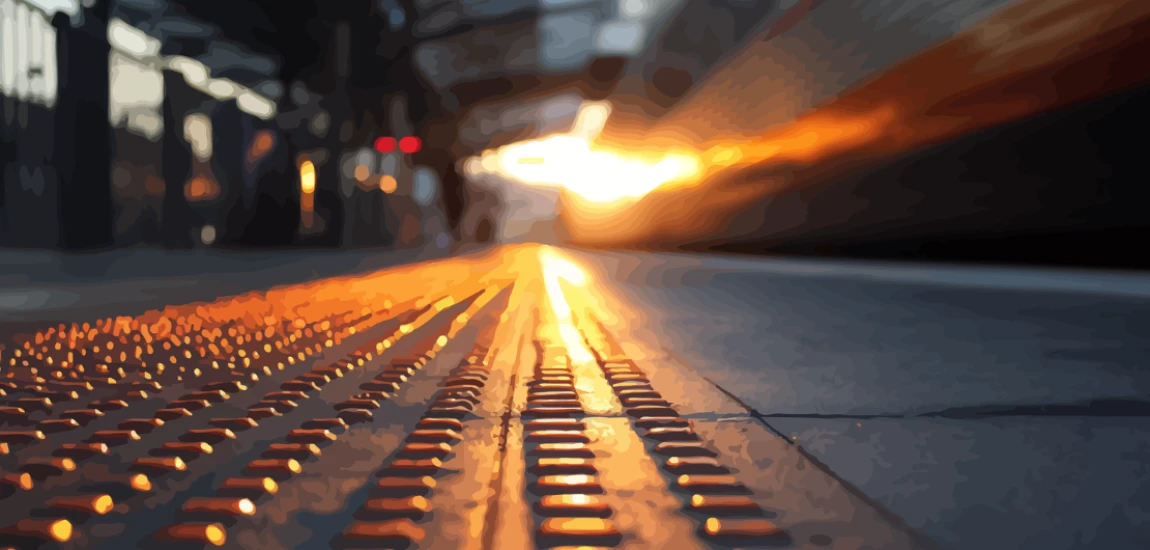
Modern travel culture often prioritizes speed. Visitors are encouraged to “cover” cities quickly, moving from landmark to landmark as efficiently as possible. Yet rapid movement frequently disconnects travelers from the environments they seek to experience. When transportation becomes purely functional, exploration becomes fragmented, rushed, and cognitively exhausting.
Slow-Transit Urbanism offers a different philosophy. Rather than treating movement as a logistical necessity, this approach views public transportation as a psychological and experiential space that shapes perception, awareness, and engagement. Trains, buses, and trams become environments where travelers observe urban rhythms, interpret social behavior, and integrate themselves into city life.
Public transport psychology examines how people think, feel, and behave while moving through shared mobility systems. It explores how waiting time influences perception, how environmental design shapes comfort, and how predictable movement patterns create cognitive stability. When travelers understand these psychological dynamics, public transport becomes more than a means of travel—it becomes a tool for immersive urban exploration.
Slow-transit travel encourages intentional pacing. It replaces urgency with observation, reduces cognitive overload, and creates opportunities for deeper spatial understanding. By aligning movement with urban rhythms, travelers gain insight into how cities function socially, economically, and culturally.
This guide explores how public transport psychology informs slow-transit urbanism and how travelers can use these principles to design more meaningful and sustainable city experiences.
The Psychology of Movement in Urban Environments

Perception of Time and Travel Experience
Time perception plays a central role in how travelers evaluate movement. Psychological research shows that waiting without purpose feels longer than moving with engagement. When travelers experience transportation as meaningful observation time rather than delay, perceived travel duration decreases.
Public transport environments offer structured movement combined with passive observation. This combination reduces stress compared to navigating traffic or making continuous route decisions. Travelers who adopt a slow-transit mindset reinterpret travel time as experiential time rather than lost time.
By reframing movement psychologically, transportation becomes an integral part of exploration rather than a barrier between destinations.
Cognitive Processing During Transit
Movement through unfamiliar environments requires constant information processing. Navigation, spatial orientation, and environmental interpretation consume cognitive resources. Slow-transit systems reduce decision density by providing structured routes and predictable stops.
When cognitive load decreases, attention shifts from logistics to observation. Travelers notice architecture, social interaction patterns, and environmental changes more vividly. This enhances memory formation and emotional engagement with place.
Public transport psychology demonstrates that structured mobility supports deeper environmental awareness.
Emotional Effects of Shared Mobility
Shared transit spaces create a collective experience. Observing daily commuters, social interactions, and behavioral rhythms fosters a sense of participation in urban life. This social immersion reduces feelings of isolation often associated with tourism.
Emotional regulation improves when movement follows predictable patterns. Structured transit reduces uncertainty, allowing travelers to remain calm and attentive.
Understanding the emotional dimension of movement transforms transportation into a meaningful part of travel experience.
Slow-Transit Urbanism as an Experiential Travel Strategy

Movement as Exploration Rather Than Transfer
Traditional travel treats transportation as a transition between attractions. Slow-transit urbanism reframes movement as exploration itself. Every stop, route, and transfer reveals spatial relationships within the city.
Travelers gain insight into neighborhood structure, land use patterns, and social geography. Movement reveals how commercial zones, residential districts, and cultural areas connect.
Exploration through transit builds a layered understanding of urban form that cannot be achieved through isolated visits.
Observing Urban Rhythms and Behavioral Patterns
Public transportation reflects the temporal rhythms of a city. Rush hours, midday lulls, and evening flows reveal economic activity patterns and lifestyle structures.
Travelers who observe these rhythms gain contextual understanding of urban life. Movement becomes a lens for interpreting social behavior rather than merely navigating space.
Slow-transit exploration encourages curiosity about how cities function as living systems.
Enhancing Spatial Memory and Orientation
Gradual movement supports spatial learning. Unlike rapid point-to-point travel, slow transit exposes travelers to continuous environmental transitions.
This continuity strengthens mental maps, improving orientation and confidence. Travelers become more comfortable navigating unfamiliar environments.
Spatial familiarity enhances both safety and enjoyment, making exploration more intuitive and less stressful.
Environmental Design and Passenger Psychology

How Transit Design Influences Comfort
Physical design elements such as lighting, seating arrangement, and visibility influence passenger perception. Environments that provide clear information and comfortable spatial organization reduce anxiety and cognitive strain.
Well-designed transit systems support predictable movement, which enhances psychological stability. Travelers feel more secure when environmental cues are clear and consistent.
Understanding design influence helps travelers interpret and adapt to transit environments effectively.
The Role of Predictability in Stress Reduction
Predictable schedules, routes, and stops reduce decision fatigue. When travelers trust system reliability, they expend less mental energy monitoring conditions.
Predictability supports psychological relaxation, allowing attention to shift toward observation and engagement. Structured environments create cognitive ease that enhances travel quality.
Slow-transit urbanism relies on predictable mobility as a foundation for mindful exploration.
Sensory Experience and Environmental Awareness
Transit environments provide continuous sensory input—visual, auditory, and spatial. Gradual sensory exposure supports environmental integration.
Travelers observe subtle changes in architecture, density, and social behavior across neighborhoods. These transitions create a narrative understanding of the city.
Sensory awareness transforms transportation into an interpretive experience rather than a functional necessity.
Designing Slow-Transit Travel Itineraries

Prioritizing Route-Based Exploration
Instead of planning isolated attractions, slow-transit itineraries focus on routes. Travelers select lines that pass through diverse neighborhoods, cultural districts, or waterfront areas.
Route-based exploration emphasizes continuity and context. Experiences unfold progressively rather than as disconnected highlights.
This approach reduces decision frequency while increasing experiential richness.
Structuring Movement Around Urban Layers
Cities contain multiple layers—historic, commercial, residential, and cultural. Public transit often connects these layers sequentially.
Designing itineraries that follow these transitions allows travelers to observe how urban functions interact. Movement becomes an educational journey through spatial organization.
Layered exploration enhances understanding of urban complexity.
Integrating Stops for Reflection and Observation
Slow-transit travel includes intentional pauses. Stops for walking, observation, or rest allow travelers to process experiences and engage locally.
Reflection intervals strengthen memory and emotional connection. They also prevent cognitive overload associated with continuous movement.
Balanced pacing ensures that transit enhances rather than fragments exploration.


Kate McCulley, the voice behind "Adventurous Kate," provides travel advice tailored for women. Her blog encourages safe and adventurous travel for female readers.
Kate McCulley
Prev Post

Next Post