
Predictive Crowd Navigation Models: Using Real-Time Data to Avoid Density Peaks
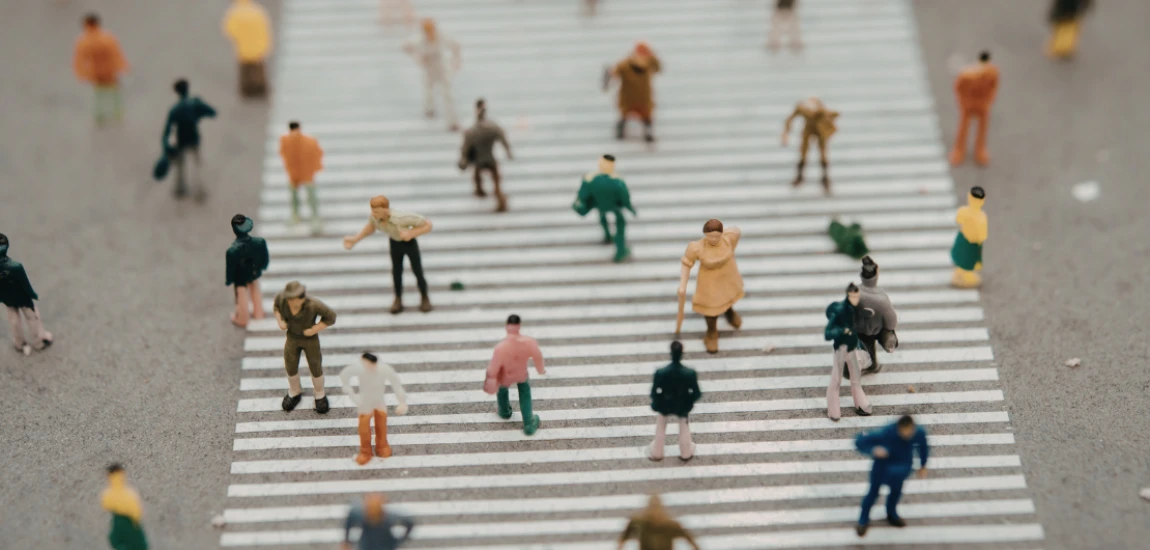
Modern travel is shaped not only by destinations but by density. Overcrowding has become one of the most significant barriers to enjoyable tourism experiences, affecting comfort, safety, accessibility, and overall satisfaction. Long queues, congested transit hubs, and packed attractions can transform exciting travel plans into stressful logistical challenges. As global tourism continues to grow, managing human density has become a central concern for both travelers and urban planners.
Predictive Crowd Navigation Models offer a powerful solution by using real-time data, behavioral analytics, and movement forecasting to help travelers avoid congestion before it forms. Rather than reacting to crowds after arrival, travelers can anticipate density peaks and adjust their routes, schedules, and activities proactively.
These models rely on multiple data streams, including mobile location data, transportation flow metrics, event schedules, and historical visitation patterns. By analyzing how crowds behave over time, predictive systems identify recurring patterns and generate forecasts about where and when congestion will occur.
For travelers, this shift represents a move from reactive navigation to anticipatory planning. Instead of asking where crowds are now, predictive navigation answers where crowds will be next. This distinction transforms travel efficiency, reduces stress, and enhances access to destinations that might otherwise feel overwhelming.
This guide explores how predictive crowd navigation works, why it improves travel experiences, and how visitors can integrate data-driven strategies into their planning process. By understanding density forecasting, travelers gain the ability to move through destinations with confidence, comfort, and control.
Understanding Crowd Dynamics in Travel Environments

How Crowds Form and Evolve
Crowds are not random gatherings; they follow identifiable behavioral patterns influenced by spatial design, time cycles, and shared decision-making. Attractions with limited entry capacity naturally accumulate queues, while transit hubs concentrate movement during peak commuting hours. When many individuals make similar choices simultaneously, density spikes emerge.
Predictive Crowd Navigation Models analyze these behavioral patterns to identify recurring crowd cycles. For example, popular attractions often experience predictable peaks during late morning and early afternoon. Transit congestion aligns with work schedules, while entertainment districts experience evening surges. Recognizing these rhythms enables travelers to anticipate crowd formation rather than encountering it unexpectedly.
Crowd dynamics are also shaped by environmental design. Narrow pathways, bottlenecks, and limited access points increase density even when overall visitor numbers are moderate. Predictive systems account for spatial constraints by modeling how people move through physical environments.
The Impact of Density on Travel Experience
High-density environments affect both physical movement and psychological perception. Crowding reduces walking speed, increases waiting time, and limits access to attractions. It also elevates stress levels by increasing sensory stimulation and reducing personal space.
Research in behavioral psychology shows that perceived crowding often reduces satisfaction more than objective waiting time. Travelers may feel overwhelmed even when delays are short if spatial congestion is high. Predictive navigation improves travel quality by minimizing exposure to high-density zones.
Why Predictive Models Improve Mobility
Traditional navigation tools focus on distance and travel time. Predictive crowd models introduce a new optimization factor: density. By balancing route efficiency with crowd forecasting, travelers achieve smoother movement patterns and more comfortable experiences.
Understanding crowd dynamics is the foundation of predictive navigation. Once travelers recognize that congestion follows patterns, they can begin using data-driven tools to move strategically through destinations.
Real-Time Data Sources Powering Predictive Navigation

Mobile Location and Movement Data
Real-time crowd prediction relies heavily on anonymized mobile location data. Smartphones continuously generate movement signals that indicate how many individuals are present in specific areas and how they are moving.
Aggregated data reveals density levels, movement speed, and directional flow. When many devices cluster in a location, predictive systems identify potential congestion. This information allows travelers to monitor crowd levels dynamically and choose alternative routes before density intensifies.
Movement data also reveals how long people remain in specific areas, enabling more accurate forecasting of crowd persistence.
Transportation and Infrastructure Metrics
Public transportation systems generate valuable real-time data, including passenger volume, arrival frequency, and platform occupancy. Predictive models use this information to forecast congestion in transit hubs and surrounding areas.
Traffic flow sensors, pedestrian counters, and smart infrastructure devices provide additional insight into movement intensity. By combining multiple data streams, predictive systems create a comprehensive view of urban mobility.
Infrastructure metrics are particularly useful for identifying bottlenecks that amplify crowd density even when visitor numbers are stable.
Event Schedules and Behavioral Indicators
Scheduled events such as festivals, performances, and public gatherings create temporary density spikes. Predictive navigation integrates event calendars and ticketing data to anticipate crowd surges before they occur.
Behavioral indicators, including weather patterns and seasonal trends, also influence movement. For example, favorable weather often increases outdoor activity, while extreme conditions concentrate visitors in indoor spaces.
By synthesizing diverse data sources, predictive models transform raw information into actionable insights that guide traveler decision-making.
Forecasting Density Peaks Through Predictive Modeling

Pattern Recognition and Historical Analysis
Predictive Crowd Navigation Models analyze historical visitation data to identify recurring patterns. These patterns reveal how density fluctuates by time of day, day of week, and season.
Historical analysis provides baseline expectations that real-time data can refine. When current movement deviates from typical patterns, predictive systems adjust forecasts dynamically. This combination of historical stability and real-time adaptation improves accuracy.
Pattern recognition allows travelers to anticipate crowd formation hours in advance rather than reacting in real time.
Machine Learning and Behavioral Forecasting
Machine learning algorithms enhance predictive accuracy by identifying complex relationships between variables. These systems learn how weather, events, transportation delays, and spatial design interact to influence crowd behavior.
Behavioral forecasting models simulate how individuals respond to environmental conditions. For example, when one area becomes crowded, visitors may redistribute to nearby locations. Predictive systems anticipate these secondary effects, enabling travelers to avoid not only current congestion but future spillover zones.
This forward-looking capability distinguishes predictive navigation from simple crowd monitoring.
Visualizing Density Predictions for Travelers
Predictive systems often present forecasts through visual heat maps, density indicators, or route recommendations. These visualizations simplify complex data into intuitive guidance.
Travelers can quickly identify low-density windows for visiting attractions or choose routes that minimize exposure to crowded zones. Visualization tools transform data analysis into practical decision support.
Forecasting density peaks empowers travelers to plan movement proactively, improving both efficiency and comfort.
Strategic Route Optimization Using Predictive Insights

Designing Low-Density Travel Paths
Predictive crowd navigation prioritizes routes that balance distance, travel time, and density. Instead of selecting the shortest path, travelers may choose slightly longer routes that offer significantly lower congestion.
Low-density routing reduces physical friction, allowing smoother movement and more predictable timing. It also improves accessibility for travelers seeking comfortable and less stressful exploration experiences.
Strategic routing transforms navigation from reactive adjustment into intentional planning.
Timing Adjustments for Peak Avoidance
Density forecasting enables travelers to shift activities to lower-congestion periods. Visiting attractions during predicted off-peak windows reduces waiting time and improves experience quality.
Timing adjustments are particularly effective for high-demand locations where crowd levels fluctuate predictably. Even small schedule changes can dramatically improve accessibility.
Predictive timing strategies help travelers maximize experience value while minimizing exposure to congestion.
Adaptive Navigation in Real Time
Predictive models continuously update forecasts based on new data. When unexpected crowd surges occur, adaptive navigation tools recommend alternative routes or timing adjustments.
Real-time adaptation ensures that travelers remain responsive without needing to analyze data independently. This reduces cognitive load and enhances confidence in navigation decisions.
Adaptive routing creates a dynamic travel experience that evolves with environmental conditions.
Practical Applications for Travelers and Urban Tourism

Enhancing Tourist Experience Quality
Predictive Crowd Navigation Models improve travel satisfaction by reducing waiting time, minimizing stress, and increasing access to attractions. Travelers spend less time navigating congestion and more time engaging with destinations.
Improved mobility also enhances safety by preventing overcrowding in confined spaces. This is particularly valuable in high-demand destinations and major urban centers.
Density-aware travel transforms tourism into a smoother, more enjoyable experience.
Supporting Sustainable Tourism Management
Crowd prediction supports sustainable tourism by distributing visitors more evenly across locations and time periods. When travelers avoid peak density zones, pressure on infrastructure decreases.
Balanced distribution protects cultural sites, improves environmental conditions, and enhances resident quality of life. Predictive navigation aligns individual convenience with broader sustainability goals.
Tourism becomes more resilient when movement patterns are optimized collectively.
Empowering Independent Travel Decision-Making
Data-driven navigation empowers travelers to make informed choices without relying solely on fixed schedules or tour structures. Independent travelers gain the ability to plan confidently in unfamiliar environments.
Access to predictive insights transforms travel planning from guesswork into evidence-based strategy. This enhances autonomy while reducing uncertainty.
Predictive crowd navigation represents a shift toward intelligent, responsive tourism systems.


Derek Baron, also known as "Wandering Earl," offers an authentic look at long-term travel. His blog contains travel stories, tips, and the realities of a nomadic lifestyle.
Derek Baron
Prev Post

Next Post