
Slow Adventure Tourism: Why Meaningful Exploration Is Becoming More Valuable Than Fast Sightseeing
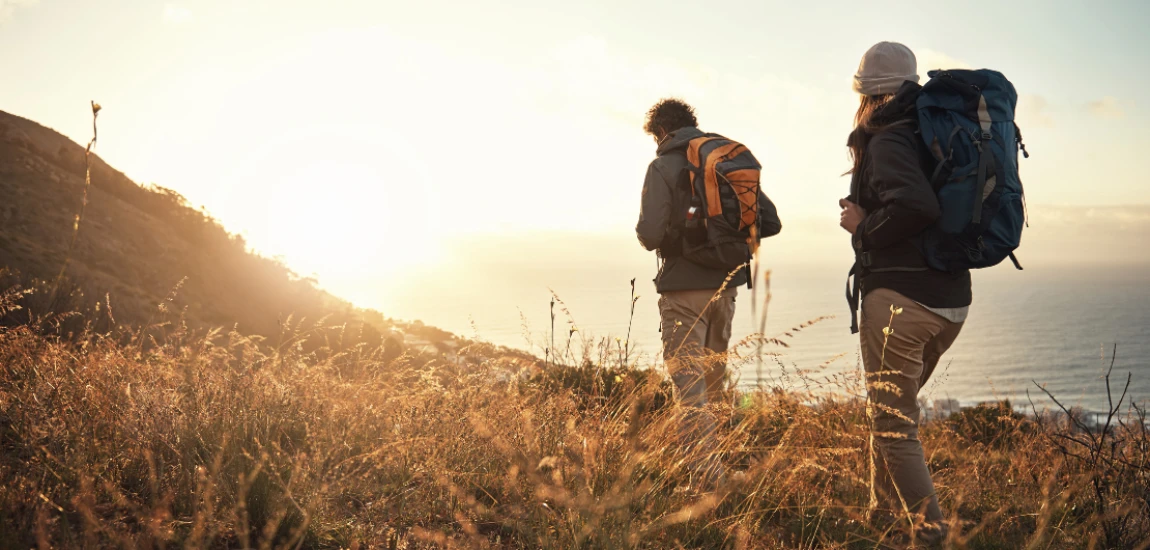
Travel has become faster, more convenient, and increasingly focused on seeing as much as possible in a limited amount of time. Travelers can visit several cities in a single week, move between attractions using high-speed transportation, and create detailed schedules that leave little room for pauses. While fast sightseeing can help people see famous landmarks quickly, it can also make travel feel rushed, exhausting, and less meaningful.
Slow adventure tourism offers a different way to explore. Instead of focusing on how many places travelers can visit, it focuses on how deeply they can experience them. A slow adventure might involve hiking through a remote landscape, cycling between villages, spending several days in one region, learning a traditional craft, kayaking along a quiet coastline, or joining a community-led outdoor experience.
The value of slow adventure is not simply its slower pace. It is the opportunity to become more connected with a destination. Travelers have more time to observe landscapes, understand local culture, meet residents, support small businesses, and experience nature without constantly thinking about the next attraction.
As travelers increasingly seek meaningful experiences, authentic connections, wellness, and responsible tourism, slow adventure tourism is becoming an important part of the future of travel.
Understanding Slow Adventure Tourism

From Fast Sightseeing to Meaningful Exploration
Fast sightseeing is often built around efficiency. Travelers may visit a landmark, take photographs, move to another attraction, and repeat the process throughout the day. This approach can be useful for short trips, but it can limit opportunities for deeper exploration.
Slow adventure tourism changes the focus from quantity to quality. Rather than trying to see every attraction, travelers spend more time experiencing fewer places. A hiking trip, for example, might involve walking through a landscape for several days rather than simply driving to a viewpoint for a few minutes.
This approach creates opportunities to notice details that fast travel often misses. Travelers can observe wildlife, changing landscapes, local architecture, traditional food, and everyday community life.
What Makes an Adventure “Slow”?
Slow adventure does not mean that activities must be physically easy. Hiking, cycling, kayaking, trekking, climbing, camping, and wildlife exploration can all be demanding activities.
The “slow” element refers primarily to the pace and depth of the experience. A traveler may spend an entire day cycling through a rural region instead of rushing between multiple attractions. Another traveler might spend several days hiking through a national park rather than visiting it for a few hours.
The journey itself becomes part of the experience.
Why Travelers Are Looking for Deeper Experiences
Many modern travelers have become more interested in experiences that provide emotional value rather than simply producing photographs. They want to learn something, challenge themselves, connect with nature, or understand a local culture.
Slow adventure tourism responds to this demand by giving travelers time to develop a relationship with a destination.
Instead of asking, “How many places can I visit?” the slow traveler asks, “What can I experience, learn, and remember from this place?”
Why Slow Adventure Is Becoming More Valuable

The Problem With Rushed Travel
Fast travel can create a constant sense of urgency. Travelers may spend their days checking transportation schedules, watching the clock, navigating crowded attractions, and worrying about the next activity.
This can reduce enjoyment and increase travel fatigue. Even a beautiful destination may feel stressful when every hour is tightly scheduled.
Slow adventure provides more breathing room. Travelers can spend longer in one location and allow experiences to develop naturally.
Creating More Meaningful Memories
Memories are often stronger when travelers actively participate in an experience. Walking through a landscape, learning to cook a local dish, camping under the stars, or speaking with residents can create more personal memories than quickly visiting a landmark.
Slow adventure also encourages storytelling. A challenging hike, unexpected weather, a conversation with a local guide, or discovering a small village can become part of the traveler's personal story.
These experiences may remain meaningful long after the trip ends.
Improving the Quality of the Travel Experience
Travel quality is not necessarily connected to the number of destinations visited. A traveler who spends four days exploring one region may experience greater satisfaction than someone who visits four destinations in the same period.
Slow travel allows visitors to settle into a place. They can learn local rhythms, return to favorite locations, recognize familiar faces, and discover places that are not included in standard tourist itineraries.
This creates a deeper sense of connection and discovery.
Slow Adventure Tourism and Nature Connection

Spending More Time Outdoors
Nature is at the heart of many slow adventure experiences. Hiking, trekking, cycling, kayaking, camping, birdwatching, and wildlife observation encourage travelers to spend extended periods outdoors.
Unlike sightseeing from a vehicle, these activities allow travelers to experience landscapes at human speed. They can hear natural sounds, observe changes in weather, notice plants and wildlife, and appreciate small environmental details.
This deeper exposure can strengthen appreciation for natural environments.
Encouraging Responsible Nature Experiences
Slow adventure can also support responsible tourism because travelers have opportunities to understand the environments they are visiting.
A local nature guide can explain wildlife behavior, conservation challenges, water systems, traditional land use, and environmental protection. Travelers may become more conscious of their impact after learning about the destination directly.
Responsible practices such as staying on trails, reducing waste, avoiding disturbance to wildlife, and respecting protected areas are essential.
Supporting Conservation Through Adventure
Adventure tourism can contribute to conservation when tourism revenue supports protected areas and local environmental programs.
Travelers can choose operators that demonstrate responsible environmental practices and contribute to conservation initiatives. Community-based nature tourism can also provide residents with economic reasons to protect ecosystems.
When forests, coastlines, mountains, rivers, and wildlife become sources of sustainable income, conservation can become connected to local economic development.
How Slow Adventure Supports Local Communities

Spending More With Local Businesses
Slow adventure travelers often spend more time in local communities, creating opportunities for small businesses.
Instead of arriving at a destination, visiting an attraction, and leaving the same day, slow travelers may stay in locally owned guesthouses, eat at independent restaurants, purchase local products, hire community guides, and use local transportation.
This creates a stronger economic connection between tourism and residents.
Creating Opportunities for Local Guides
Local guides are especially valuable in slow adventure tourism. Their knowledge can transform a basic outdoor activity into a deeper cultural and environmental experience.
A local hiking guide may explain traditional stories, identify plants, describe local history, and introduce travelers to community members. A cycling guide may show visitors small villages and family-owned businesses that would otherwise remain unnoticed.
Supporting local guides helps ensure that tourism income stays within the destination.
Encouraging Community-Based Tourism
Community-based tourism allows residents to participate directly in tourism development. Communities can create walking tours, homestays, food experiences, craft workshops, cultural activities, and outdoor adventures.
This model can distribute tourism revenue more widely while giving communities greater control over how visitors experience their destination.
For travelers, it creates more authentic experiences. For residents, it can provide income while encouraging cultural preservation and local entrepreneurship.


Kate McCulley, the voice behind "Adventurous Kate," provides travel advice tailored for women. Her blog encourages safe and adventurous travel for female readers.
Kate McCulley

Prev Post
Next Post