
Slow Adventure Tourism: How Longer, Deeper Journeys Could Replace Fast-Paced Sightseeing With Meaningful Exploration
Modern tourism often rewards speed. Travelers may try to visit several cities in a single trip, photograph famous landmarks, complete packed itineraries, and move quickly from one attraction to another. While this approach allows people to see more places, it can also make travel feel rushed, exhausting, and disconnected.
A different approach is beginning to gain attention: slow adventure tourism.
Slow adventure tourism combines the principles of slow travel with outdoor exploration, nature, local culture, physical activity, and meaningful discovery. Instead of asking how many attractions travelers can visit in a limited amount of time, it asks how deeply they can experience a destination.
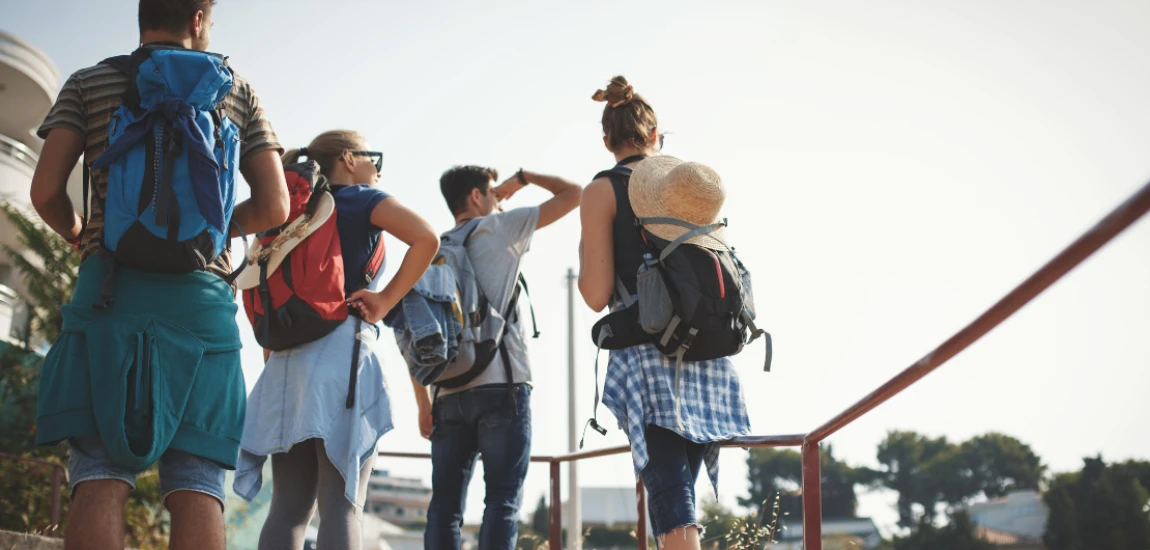
A slow adventure might involve spending several days hiking through a mountain region, cycling between rural communities, following a coastal trail, staying with local hosts, learning traditional skills, or traveling through a landscape using slower forms of transportation.
The emphasis is not necessarily on extreme physical challenges. The adventure can be gentle, accessible, and highly personal.
This approach could become increasingly relevant as travelers look for experiences that support well-being, authentic connection, environmental responsibility, and a stronger sense of place.
Slow adventure tourism does not mean doing nothing. It means doing less, but experiencing more.
By allowing travelers to spend more time in one destination, slow adventure can create opportunities to understand local communities, appreciate natural environments, support small businesses, and develop memories that go beyond photographs.
Understanding the Rise of Slow Adventure Tourism

From Fast Sightseeing to Deeper Exploration
Traditional sightseeing often follows a checklist. Travelers identify major attractions, organize transportation between them, and attempt to experience as much as possible within a short period.
Slow adventure changes the objective.
Instead of rushing toward the next landmark, travelers can spend more time walking, observing, talking, learning, and adapting to the environment.
A multi-day hiking route, for example, can reveal far more about a landscape than a quick scenic stop. Travelers experience changing weather, local food, village life, wildlife, terrain, and conversations with people along the route.
The journey itself becomes part of the destination.
Why Longer Journeys Can Feel More Meaningful
Longer stays create opportunities for familiarity.
A traveler spending a week in a small community may return to the same café, recognize local shopkeepers, learn a few words of the local language, and discover places that were never included in a conventional sightseeing itinerary.
These small interactions can create a stronger sense of belonging.
Longer journeys can also reduce the pressure to constantly optimize time.
Travelers can leave room for unexpected experiences, spontaneous conversations, quiet mornings, and changes in plans.
Adventure Without Constant Intensity
The word “adventure” can sometimes suggest extreme sports or physically demanding activities.
Slow adventure offers a broader definition.
Walking, cycling, kayaking, birdwatching, camping, nature photography, horseback riding, cultural trekking, gardening, and local food exploration can all become forms of adventure.
The defining characteristic is not intensity. It is engagement with place.
How Slow Adventure Creates Deeper Connections With Nature

Experiencing Landscapes at Human Speed
Fast transportation can make landscapes feel like scenery viewed through a window.
Walking, cycling, paddling, and other slower forms of movement create a different relationship with the environment.
Travelers notice details that would otherwise disappear: changes in vegetation, local architecture, wildlife sounds, smells, weather patterns, and geological features.
This creates a more immersive nature experience.
A traveler cycling through a rural valley may stop at a farm, speak with residents, photograph a landscape, or discover a small trail.
The journey becomes a sequence of discoveries rather than simply a route between two destinations.
Learning From Local Ecosystems
Slow adventure can also encourage environmental education.
Guided nature walks can introduce travelers to native plants, wildlife habitats, water systems, conservation efforts, and traditional ecological knowledge.
This can transform outdoor tourism from simple recreation into learning.
Travelers may become more aware of how landscapes function and why they need protection.
That awareness can influence behavior during and after the trip.
Encouraging Nature Stewardship
Spending more time in nature can create stronger emotional connections with landscapes.
However, responsible slow adventure requires careful management.
Popular trails can still experience erosion, litter, wildlife disturbance, and overcrowding.
Destinations can respond through visitor limits, designated trails, conservation fees, local guides, responsible camping policies, and environmental education.
The objective is to allow travelers to experience nature without degrading the ecosystems that make the experience possible.
Supporting Local Communities Through Longer Stays

Keeping Tourism Spending Local
Slow adventure can distribute tourism spending across local communities.
Instead of spending most of a trip at large international attractions or chain hotels, travelers may stay at family-run guesthouses, eat at local restaurants, purchase handmade products, hire local guides, and participate in community-based activities.
Longer stays can increase the number of opportunities for local businesses to benefit.
This can create a more balanced relationship between tourism and destination economies.
Creating Meaningful Cultural Exchange
Slow travel gives travelers more time to interact with local communities.
A visitor might learn traditional cooking, participate in an agricultural activity, visit a local workshop, or join a community-led cultural event.
These experiences can create genuine cultural exchange when they are developed respectfully.
Travelers are not simply consuming culture as entertainment. They are learning about the people and practices that shape the destination.
Supporting Rural and Lesser-Known Destinations
Slow adventure can also help distribute tourism beyond major cities.
Hiking routes, cycling networks, rural homestays, village experiences, and nature-based activities can attract travelers to smaller communities.
This can create economic opportunities in areas that may not benefit significantly from conventional mass tourism.
However, growth should be managed carefully so that local culture and community priorities remain central.
Slow Adventure Tourism and Personal Well-Being

Reducing Travel-Related Stress
Fast-paced travel can become surprisingly stressful.
Travelers may constantly check schedules, rush between transportation connections, navigate crowded attractions, and worry about missing the next activity.
Slow adventure creates more space.
A flexible itinerary allows travelers to pause, rest, explore without a strict deadline, and adapt plans according to their energy levels.
This can make travel feel less like a productivity challenge and more like a restorative experience.
Encouraging Physical Activity
Many slow adventure experiences naturally involve movement.
Walking, hiking, cycling, swimming, paddling, and outdoor exploration encourage travelers to remain physically active while experiencing a destination.
The activity does not need to be competitive.
A long scenic walk can be as meaningful as a demanding mountain trek.
The emphasis is on movement as part of exploration.
Creating Space for Reflection
Longer journeys can also provide opportunities for reflection.
Without a constant schedule of attractions, travelers can spend time reading, journaling, photographing landscapes, sitting outdoors, or simply observing their surroundings.
This slower rhythm can help travelers become more present.
Instead of documenting every moment for social media, they may begin to experience moments for themselves.


Gary Arndt operates "Everything Everywhere," a blog focusing on worldwide travel. An award-winning photographer, Gary shares stunning visuals alongside his travel tales.
Gary Arndt
Prev Post
Next Post