
Restorative Travel Ecosystems: How Future Destinations Could Combine Nature, Wellness, and Environmental Recovery
For decades, tourism has largely focused on what travelers can see, do, and consume at a destination. People visit beaches, mountains, forests, cultural attractions, and cities to experience something different from everyday life. But as environmental challenges grow and travelers become more interested in wellness and sustainability, a new idea is beginning to influence the future of tourism: restorative travel ecosystems.
A restorative travel ecosystem goes beyond conventional eco-tourism or wellness tourism. It imagines destinations where tourism actively contributes to the health of people, communities, and natural environments. Instead of simply minimizing environmental damage, future destinations could potentially help restore forests, improve biodiversity, protect waterways, support local communities, and provide travelers with meaningful opportunities for physical and mental recovery.
This approach brings together several powerful ideas: nature-based tourism, regenerative tourism, wellness travel, environmental restoration, sustainable hospitality, conservation, and community participation.
Imagine staying at a destination where your accommodation is surrounded by restored native vegetation, meals are sourced from local regenerative farms, walking trails connect visitors with protected ecosystems, wellness programs take place outdoors, and a portion of tourism revenue supports habitat restoration. In such a destination, the visitor experience and environmental recovery would not be separate activities. They would be part of the same system.
The future of tourism may therefore depend not only on creating beautiful places to visit, but also on creating places that become healthier because people visit them responsibly.
Nature as the Foundation of Restorative Travel Ecosystems

Designing Destinations Around Natural Systems
Nature is likely to become the foundation of restorative travel. Instead of treating forests, wetlands, coastlines, rivers, and wildlife habitats simply as attractions, future destinations could design tourism around protecting and strengthening these ecosystems.
This means development would need to work with natural systems rather than against them. Hotels could be positioned around existing landscapes instead of replacing them. Walking routes could follow natural contours. Buildings could incorporate native vegetation and provide habitats for birds and insects.
Such planning can create a more immersive experience for travelers while protecting the character of the destination.
Nature can also become part of everyday guest experiences. Visitors might wake up surrounded by native forests, walk through biodiversity trails, swim in carefully protected natural environments, or participate in guided ecological experiences.
Creating Biodiversity-Rich Visitor Experiences
Biodiversity can make destinations more interesting while supporting environmental recovery. Future tourism projects could restore native plants, protect pollinators, create wildlife corridors, and rehabilitate degraded landscapes.
Instead of manicured environments containing only decorative plants, resorts and tourism developments could incorporate native ecosystems.
Travelers could learn about local species through guided walks, conservation centers, observation platforms, and educational programs.
These experiences can turn environmental awareness into something practical and memorable. Rather than simply reading about biodiversity, visitors can see how ecosystems function and understand why their protection matters.
Making Nature Accessible Without Overusing It
Restorative tourism must also recognize that nature needs limits. A destination cannot invite unlimited numbers of visitors into a fragile ecosystem without consequences.
Future destinations could use visitor-capacity systems, designated trails, seasonal restrictions, reservation requirements, and protected zones.
Technology could help monitor visitor flows and environmental conditions, allowing tourism operators to adjust access when ecosystems are under pressure.
The objective is not to keep people away from nature. It is to create thoughtful access that allows people to benefit from nature without damaging it.
Wellness and Mental Restoration Through Nature

Moving Beyond Traditional Wellness Resorts
Wellness tourism has traditionally focused on spas, fitness centers, massages, specialized diets, and structured retreats. These services will continue to have value, but restorative travel ecosystems can expand the meaning of wellness.
Wellness can become embedded throughout the destination.
A traveler could begin the morning with a forest walk, eat locally produced food for breakfast, spend the afternoon swimming or cycling, and finish the evening with quiet time beneath a dark sky.
The environment itself becomes part of the wellness experience.
Nature-Based Mental Restoration
Future destinations may increasingly use natural environments to support relaxation and mental restoration.
Forests, gardens, beaches, mountains, and wetlands can provide spaces away from traffic, screens, noise, and crowded urban environments.
Destinations could create quiet zones where visitors are encouraged to walk slowly, observe wildlife, practice mindfulness, read, or simply sit without an organized activity.
This represents an important shift. Instead of constantly filling the itinerary with entertainment, restorative travel creates space for travelers to recover.
Designing Travel Around Recovery
Travel can sometimes be exhausting. Long flights, crowded attractions, busy schedules, and constant decision-making can leave visitors needing another vacation after their vacation.
Restorative travel ecosystems could address this by designing slower itineraries.
Hotels might recommend recovery periods between activities. Destinations could provide accessible walking routes, quiet gardens, shaded areas, healthy food, and comfortable transportation.
The goal is not to eliminate adventure. It is to create a better rhythm between stimulation and recovery.
A restorative destination could allow travelers to experience excitement during a nature excursion and then transition into calm through a quiet evening surrounded by natural landscapes.
Environmental Recovery as Part of the Visitor Experience

From Sustainable Tourism to Regenerative Tourism
Sustainable tourism traditionally focuses on reducing negative impacts. This includes lowering energy consumption, reducing waste, conserving water, and minimizing pollution.
Restorative travel ecosystems can go further by asking how tourism can contribute positively.
This is closely connected to regenerative tourism. Rather than simply trying to leave a destination unchanged, regenerative approaches aim to improve ecological and social conditions.
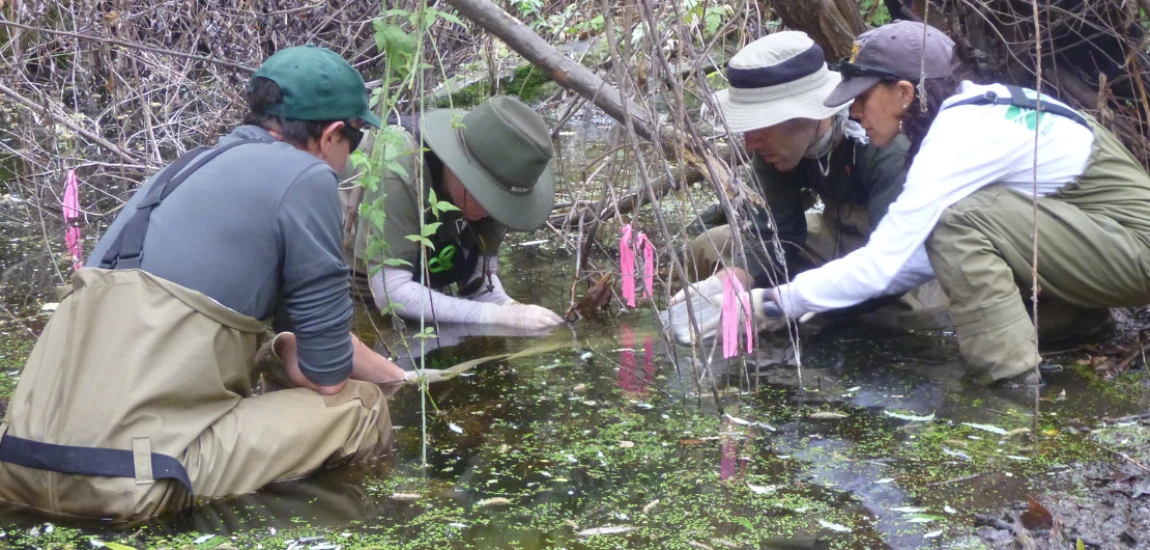
A hotel could support wetland restoration. A tourism operator could contribute to reforestation. Visitors could participate in beach cleanups or habitat restoration under professional guidance.
These actions can make travelers active contributors rather than passive consumers.
Giving Travelers Meaningful Conservation Roles
Travelers increasingly want experiences that have purpose. Environmental restoration can provide opportunities to connect with a destination through meaningful action.
Visitors might plant native vegetation, help monitor wildlife, participate in conservation education, restore trails, or support local environmental organizations.
However, conservation activities should be carefully designed. Travelers should not be placed in sensitive habitats simply to create an attractive tourism experience.
Professional conservation organizations and local communities should determine what activities are appropriate.
Measuring Tourism's Environmental Contribution
Future restorative destinations may increasingly measure their environmental outcomes.
Instead of simply promoting vague sustainability claims, tourism businesses could report measurable results such as habitat restored, native trees established, water conserved, waste reduced, or biodiversity supported.
Transparent measurement can help travelers understand where their money goes.
It can also encourage tourism businesses to focus on genuine environmental improvements rather than superficial marketing.
Local Communities at the Heart of Restorative Destinations

Creating Economic Benefits for Residents
Environmental recovery cannot be separated from community well-being. A destination cannot truly be restorative if local residents do not benefit from tourism.
Future models could prioritize local employment, community-owned tourism businesses, local food suppliers, independent guides, artisans, farmers, and cultural organizations.
When tourism revenue circulates within the local economy, it can support broader community prosperity.
This creates a stronger relationship between visitor spending and destination well-being.
Supporting Local Knowledge
Local residents often have detailed knowledge about landscapes, weather patterns, wildlife, farming, food, history, and traditional environmental practices.
Restorative tourism can provide opportunities to share this knowledge respectfully.
Local guides could lead ecological walks. Farmers could explain regenerative agriculture. Community elders could share stories about landscapes and cultural relationships with nature.
These experiences can create deeper cultural connections while giving local people greater control over how their destination is represented.
Avoiding Greenwashing and Cultural Exploitation
Restorative tourism must be built on genuine participation.
A destination should not simply use words such as "regenerative," "eco-friendly," or "nature-positive" without demonstrating meaningful results.
Communities should have a voice in tourism development, pricing, cultural representation, environmental priorities, and benefit-sharing.
Authentic restorative tourism requires transparency.
When residents have meaningful decision-making power and financial benefits, tourism is more likely to support long-term community resilience.


Ben Schlappig runs "One Mile at a Time," focusing on aviation and frequent flying. He offers insights on maximizing travel points, airline reviews, and industry news.
Ben Schlappig

Prev Post

Next Post