
Regenerative Tourism Infrastructure – Building Tourism Systems That Restore Destinations
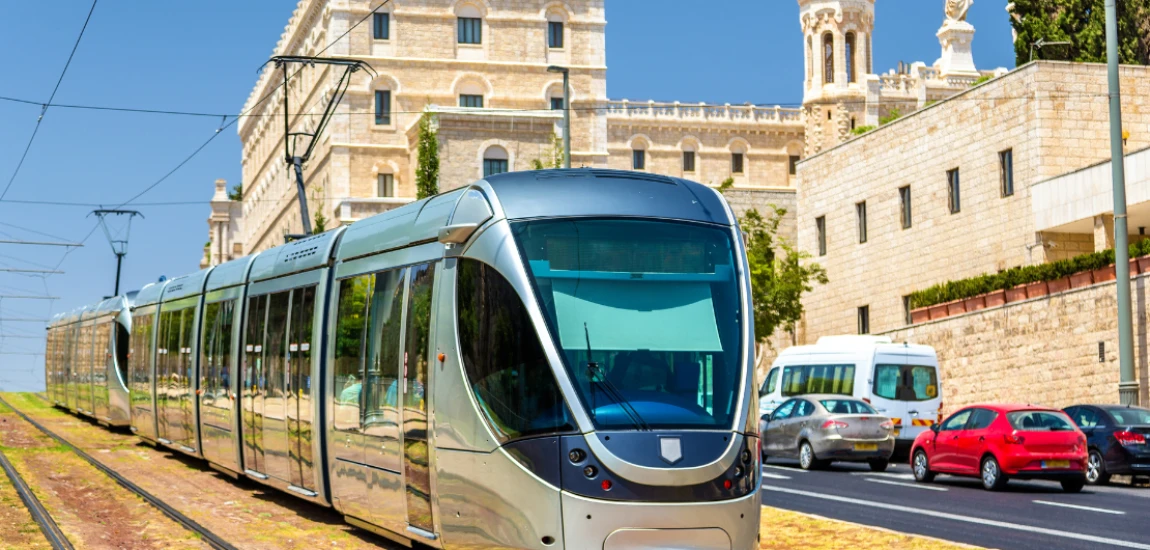
Tourism infrastructure traditionally focuses on enabling visitors to travel, stay, eat, explore, and enjoy destinations. Hotels, transportation networks, airports, attractions, restaurants, public spaces, utilities, and recreational facilities all form part of the tourism infrastructure that supports visitor experiences. However, conventional infrastructure can sometimes place pressure on the very natural, cultural, and social resources that attract visitors.
Regenerative Tourism Infrastructure offers a different approach. Instead of designing tourism systems simply to reduce environmental damage, regenerative infrastructure aims to create positive contributions to destinations. It can support ecosystem restoration, renewable energy, water conservation, biodiversity, local employment, cultural continuity, and stronger community economies.
A regenerative approach asks a fundamental question: How can tourism infrastructure leave a destination healthier, stronger, and more resilient than before?
This concept goes beyond individual eco-friendly hotels or sustainable transportation options. It considers the entire tourism system and how different components work together. A regenerative destination might combine nature-positive hotels, renewable energy systems, water recycling, low-impact mobility, restored landscapes, community-owned tourism facilities, local food networks, and resilient public spaces.
Regenerative tourism infrastructure is particularly relevant as destinations face climate change, resource constraints, biodiversity loss, urban development pressures, and changing visitor expectations. Tourism planners increasingly need infrastructure that can serve visitors while also supporting residents and ecosystems.
The following sections explore how regenerative tourism infrastructure can transform destination development and create tourism systems designed around restoration, resilience, and long-term value.
Understanding Regenerative Tourism Infrastructure

Regenerative tourism infrastructure refers to physical and supporting systems designed to contribute positively to the environmental, social, cultural, and economic health of a destination. It includes buildings, transportation, energy systems, water infrastructure, public spaces, waste systems, food networks, digital systems, and community facilities.
From Sustainable to Regenerative Infrastructure
Sustainable tourism generally focuses on reducing negative impacts and maintaining resources for future generations. Regenerative tourism goes a step further by asking how tourism can actively improve the systems on which destinations depend.
For example, a sustainable hotel may reduce water consumption through efficient fixtures. A regenerative accommodation facility could go further by collecting rainwater, treating wastewater for reuse, restoring surrounding wetlands, and supporting watershed regeneration.
Similarly, sustainable transportation may reduce emissions through electric vehicles. A regenerative mobility system could combine electric public transportation with walking and cycling infrastructure while restoring green corridors and improving public spaces along transportation routes.
The distinction is important because regenerative tourism does not view environmental protection as separate from tourism development. Restoration becomes part of the tourism system itself.
A Whole-Destination Approach
Regenerative infrastructure works best when systems are connected. A renewable energy project can support hotels and local businesses. Green spaces can improve visitor experiences while supporting biodiversity and reducing urban heat. Local food systems can supply restaurants while creating markets for farmers.
Instead of developing isolated projects, destination planners can examine how infrastructure components interact.
This whole-destination approach can also improve resilience. If local energy, food, water, transportation, and economic systems become stronger, the destination may be better prepared for future disruptions.
Why Regeneration Matters for Tourism
Tourism depends heavily on healthy environments and functioning communities. Beaches, forests, rivers, cultural landscapes, wildlife, heritage sites, local businesses, and welcoming communities all contribute to destination attractiveness.
If these resources deteriorate, tourism can eventually suffer as well.
Regenerative tourism infrastructure therefore treats restoration as an investment in the long-term tourism economy. Infrastructure becomes a mechanism for protecting destination assets while creating benefits for visitors and residents.
Designing Infrastructure That Restores Natural Ecosystems

Natural ecosystems are often among the most important tourism assets. Mountains, forests, coastlines, rivers, wetlands, deserts, lakes, and biodiversity-rich landscapes attract visitors and support local economies. Regenerative tourism infrastructure can help restore these systems rather than placing additional pressure on them.
Nature-Based Infrastructure
Nature-based infrastructure uses natural systems to provide environmental and practical benefits.
Wetlands can help manage stormwater. Trees can provide shade and reduce heat. Restored vegetation can stabilize soil and support biodiversity. Green corridors can connect fragmented habitats while creating attractive walking and cycling routes.
Tourism destinations can integrate these systems into parks, resorts, urban areas, trails, waterfronts, and visitor centers.
For example, instead of constructing only concrete drainage systems, a destination might combine engineered infrastructure with restored wetlands and rain gardens. Such an approach can support water management while improving the landscape for visitors and residents.
Restoring Biodiversity Around Tourism Areas
Tourism infrastructure can be designed to support biodiversity.
Hotels and resorts can restore native vegetation, create wildlife-friendly landscapes, reduce artificial lighting in sensitive areas, and protect natural habitats.
Visitor facilities can also provide educational opportunities. Interpretive trails, biodiversity centers, ecological gardens, and conservation experiences can help visitors understand local ecosystems.
The objective should be to make biodiversity protection part of destination development rather than treating it as an activity separate from tourism.
Regenerative Coastal and Rural Infrastructure
Coastal and rural destinations have particular opportunities for regenerative development.
Coastal tourism infrastructure can incorporate dune restoration, mangrove rehabilitation, wetland protection, natural shoreline systems, and carefully designed visitor access.
Rural tourism infrastructure can support reforestation, soil restoration, watershed protection, regenerative agriculture, and biodiversity corridors.
These projects can provide tourism benefits while strengthening the ecological systems that local communities depend on.
Building Circular Water, Energy, and Waste Systems

Resource management is a central component of regenerative tourism infrastructure. Tourism can consume significant amounts of water, energy, food, and materials, particularly in destinations with large visitor populations.
Regenerative infrastructure seeks to reduce resource consumption while creating circular systems in which resources are reused and regenerated.
Water Regeneration and Conservation
Water is particularly important for tourism destinations. Hotels, restaurants, swimming pools, landscaping, attractions, and public facilities can all contribute to demand.
Regenerative water infrastructure can include rainwater harvesting, greywater reuse, wastewater treatment, water-efficient landscaping, and restoration of watersheds.
Instead of viewing wastewater as something that must simply be removed, destinations can treat it as a resource. Properly treated water can potentially support landscaping, ecosystem restoration, or other appropriate non-potable uses.
Water-sensitive destination design can also reduce pressure on local freshwater supplies.
Renewable Energy Systems
Renewable energy can support tourism facilities while reducing dependence on fossil fuels.
Solar panels, small-scale renewable energy systems, energy-efficient buildings, battery storage, and smart energy management can help tourism businesses reduce energy demand and emissions.
A regenerative approach can also consider community energy models. Local renewable energy projects can potentially create economic opportunities and increase energy resilience.
Tourism infrastructure should therefore be planned not only around energy consumption but also around how energy systems can contribute to local resilience.
Circular Waste and Materials
Tourism generates food waste, packaging, construction materials, wastewater, and other waste streams.
Circular tourism infrastructure can reduce waste through recycling, composting, material recovery, reuse, repair, and local processing systems.
Hotels and restaurants can separate organic waste for composting. Construction projects can prioritize durable, repairable, recycled, or locally sourced materials.
The goal is to move away from a linear model of "take, use, and dispose" toward systems where materials remain useful for as long as possible.
Creating Community-Centered Regenerative Tourism Infrastructure

Regenerative tourism is not only about restoring nature. Destinations are also social systems, and infrastructure should create meaningful benefits for the communities that live in tourism areas.
Supporting Local Ownership
Community participation can strengthen regenerative tourism infrastructure.
Local communities can participate in planning, ownership, management, and decision-making for tourism facilities. Community-owned visitor centers, accommodation businesses, transport services, cultural facilities, markets, and tourism cooperatives can help keep more tourism value within the destination.
Local ownership can also help ensure that infrastructure reflects community priorities rather than focusing exclusively on visitor demand.
Strengthening Local Economies
Infrastructure can be designed to connect tourism with local supply chains.
Hotels and restaurants can purchase food from local producers. Tourism facilities can work with local artisans and manufacturers. Construction projects can employ local workers and use local expertise where appropriate.
This creates stronger connections between visitor spending and the local economy.
Regenerative tourism infrastructure can therefore contribute to local value creation instead of allowing economic benefits to leave the destination.
Improving Community Quality of Life
Infrastructure designed for tourists can also improve daily life for residents.
Public transportation, parks, pedestrian paths, cycling networks, renewable energy systems, water improvements, public spaces, and cultural facilities can serve both visitors and communities.
This creates a more integrated tourism model.
When residents benefit from tourism infrastructure, tourism development can become more closely connected to overall destination wellbeing.


Gary Arndt operates "Everything Everywhere," a blog focusing on worldwide travel. An award-winning photographer, Gary shares stunning visuals alongside his travel tales.
Gary Arndt

Prev Post
Next Post