
Regenerative Tourism Economy Design: Building Sustainable Destinations and Stronger Communities
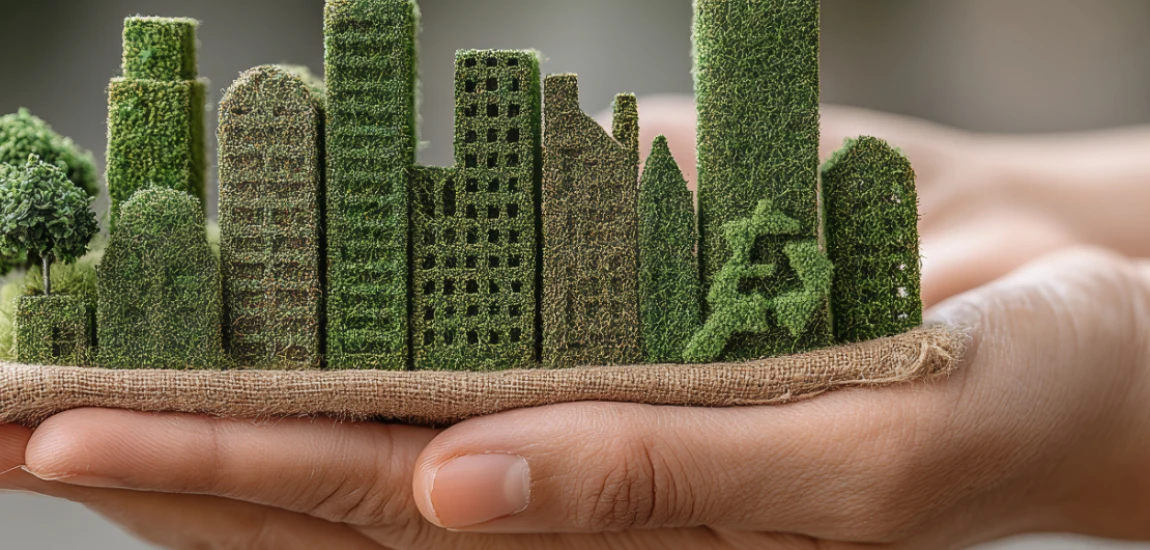
Tourism has the potential to generate employment, support local businesses, preserve cultural heritage, and finance environmental conservation. However, conventional tourism development can also contribute to habitat destruction, waste generation, resource depletion, rising living costs, and unequal distribution of economic benefits. These challenges highlight the need for tourism models that do more than minimize negative impacts.
Regenerative Tourism Economy Design offers a forward-looking approach to building tourism economies that actively restore natural environments, strengthen local livelihoods, and create long-term value for communities. Rather than measuring success exclusively through visitor numbers or tourism revenue, regenerative tourism considers how economic activity can improve the ecological, cultural, and social systems that sustain destinations.
This approach connects tourism businesses, local residents, governments, conservation organizations, and travelers through shared goals. It encourages locally owned enterprises, responsible investment, ecosystem restoration, circular resource management, and meaningful community participation.
By designing tourism economies around restoration and shared prosperity, destinations can create experiences that benefit visitors while improving the places they explore. Regenerative tourism economy design is therefore not simply an environmental strategy; it is a comprehensive framework for building stronger local economies and healthier destinations for future generations.
Understanding Regenerative Tourism Economy Design

Moving Beyond Traditional Sustainable Tourism
Sustainable tourism generally aims to reduce environmental damage, conserve resources, and maintain tourism benefits over time. Regenerative tourism builds on these principles by seeking opportunities to improve the condition of ecosystems and communities through tourism activity.
For example, a conventional tourism business might reduce plastic waste and conserve electricity. A regenerative tourism business could go further by purchasing from local producers, funding habitat restoration, supporting traditional crafts, and helping visitors participate in conservation activities.
The distinction is important because destinations may continue experiencing environmental degradation even when individual businesses become more efficient. Regenerative tourism considers the wider destination and asks how tourism can contribute to positive change.
This does not mean every tourism activity automatically produces a net environmental benefit. Projects must establish clear objectives, measure results, and avoid making unsupported claims about restoration or community development.
Connecting Environmental, Social, and Economic Systems
A regenerative tourism economy recognizes that natural ecosystems, cultural traditions, local businesses, and community wellbeing are interconnected.
Healthy forests, wetlands, rivers, and coastal habitats support biodiversity while contributing to the attractiveness and resilience of destinations. Local enterprises provide employment, preserve knowledge, and help tourism income circulate within the community.
When these systems are managed together, tourism can generate benefits beyond individual transactions. For instance, a community-led nature tourism project might employ local guides, purchase food from nearby farmers, and contribute to the restoration of a damaged landscape.
The economic benefits support residents, while healthier ecosystems strengthen the destination's long-term appeal.
Establishing a Regenerative Vision
Destinations should begin by defining what regeneration means in their specific context. A coastal community may prioritize mangrove restoration and marine biodiversity, while a mountain destination may focus on watershed protection, traditional agriculture, and sustainable trail management.
Local residents should help identify priorities because they understand the destination's challenges, history, and cultural values.
Clear goals might include restoring degraded habitats, increasing locally retained tourism income, expanding community ownership, or protecting cultural heritage.
These goals provide a foundation for investment decisions and performance measurement. By connecting tourism development to specific environmental and social outcomes, destinations can move from broad sustainability commitments toward practical, measurable improvements.
Restoring Natural Environments Through Tourism Investment

Financing Ecosystem Restoration
Natural environments are essential assets for many tourism destinations, yet tourism development can damage the landscapes and biodiversity that attract visitors. Regenerative tourism economy design directs appropriate investment toward repairing these environmental systems.
Tourism businesses and destination authorities can collaborate with conservation organizations to support reforestation, wetland restoration, coral reef protection, native vegetation recovery, and wildlife habitat improvement.
For example, a nature-based tourism operator might contribute a portion of its revenue to a locally managed restoration project. Visitors could learn about the ecosystem and participate in supervised conservation activities where appropriate.
Successful projects require ecological expertise, long-term maintenance, and realistic objectives. Planting trees alone does not guarantee forest recovery, and restoration programs must consider native species, water availability, soil conditions, and biodiversity.
Reducing Pressure on Sensitive Ecosystems
Regenerative destinations should prevent tourism activities from damaging the environments they intend to protect.
Visitor capacity assessments, designated trails, responsible wildlife viewing, waste reduction, and carefully managed access can help reduce ecological pressure. Sensitive locations may require seasonal closures or limits on visitor numbers.
Tourism operators can also choose suppliers that follow responsible environmental practices and avoid activities that disturb wildlife or degrade habitats.
Importantly, environmental protection should influence destination planning from the beginning. Preventing damage is often more effective and less expensive than attempting to repair ecosystems after degradation has occurred.
Measuring Environmental Improvements
Restoration investments should be evaluated through meaningful ecological indicators rather than marketing claims alone.
Depending on the ecosystem, indicators may include native vegetation recovery, water quality, soil condition, wildlife observations, habitat connectivity, or the survival rate of restored plants.
Monitoring should establish a baseline before activities begin and track results over time. Independent ecological assessments can improve credibility and help identify projects that need adjustment.
Destinations should communicate both progress and limitations transparently. Environmental recovery can take years, and outcomes may be affected by drought, storms, invasive species, or other external pressures.
By linking tourism revenue with evidence-based environmental management, regenerative destinations can strengthen their natural assets while building trust among visitors and local communities.
Strengthening Local Livelihoods and Community Wealth

Prioritizing Local Ownership and Employment
A regenerative tourism economy should create meaningful economic opportunities for the people who live in the destination. Tourism revenue does not automatically improve local wellbeing if most profits leave the region or employment is poorly paid and insecure.
Community-owned guesthouses, locally operated tours, family restaurants, craft businesses, and cooperative enterprises can help residents participate directly in tourism development.
Destination authorities can encourage local procurement, provide business training, improve access to finance, and create fair opportunities for smaller enterprises to compete.
Employment quality is equally important. Fair wages, safe working conditions, professional development, and opportunities for leadership help tourism workers build stable livelihoods.
Local ownership also gives residents greater influence over how tourism develops and how its benefits are distributed.
Keeping Tourism Revenue Within the Community
The local economic multiplier describes how spending can generate additional economic activity when money circulates through a community.
A visitor who books a locally owned tour may also purchase meals from a nearby restaurant, stay in a family-run guesthouse, and buy products from local artisans. These transactions support several businesses rather than concentrating spending in one external company.
Tourism destinations can strengthen this circulation by connecting businesses with local suppliers and encouraging visitors to explore locally produced goods and services.
Community procurement programs can help hotels purchase food from nearby farms, use local maintenance services, and collaborate with cultural organizations.
Destinations should measure how much tourism income remains locally, while recognizing that imported supplies and external investment may still be necessary. The objective is to increase fair local participation, not to eliminate every external business relationship.
Supporting Diverse and Inclusive Opportunities
Regenerative tourism should create opportunities for different groups, including young people, women, rural entrepreneurs, Indigenous communities, and people with disabilities.
Training programs, accessible business support, mentorship, and fair procurement policies can reduce barriers to participation.
Community members should also have meaningful choices about whether and how they participate in tourism. Cultural traditions and local knowledge should not be commercialized without appropriate consent, recognition, and benefit-sharing arrangements.
When local livelihoods are strengthened alongside community decision-making, tourism becomes more than a source of temporary income. It can support economic resilience, preserve skills, and help residents shape their own future.
Designing Circular and Resource-Efficient Tourism Economies

Reducing Waste Through Circular Tourism
Traditional tourism businesses often follow a linear model: purchase resources, use them, and discard the waste. Circular tourism aims to keep materials in use for longer through reuse, repair, recycling, and better purchasing decisions.
Hotels can reduce disposable packaging, donate suitable surplus food, introduce refillable amenities, and purchase durable equipment. Restaurants can work with local producers to reduce unnecessary packaging and manage food waste.
Tourism destinations can support shared recycling infrastructure, refill stations, composting programs, and repair services that benefit residents as well as visitors.
Circular approaches should prioritize preventing waste before it is created. Recycling is valuable, but reducing unnecessary consumption often provides greater benefits.
Managing Water and Energy Responsibly
Water and energy demand can place significant pressure on destinations, particularly in areas affected by drought, heat, or limited infrastructure.
Tourism businesses can install efficient fixtures, monitor water consumption, repair leaks, use energy-efficient equipment, and explore suitable renewable energy systems.
Accommodation providers can also communicate responsible resource practices to guests without compromising hygiene, comfort, or accessibility.
At the destination level, authorities can assess whether new tourism developments are compatible with local water supplies, electricity networks, and environmental limits.
Resource efficiency should be evaluated using actual consumption data rather than assumptions. A hotel may improve efficiency per occupied room while total consumption still increases because visitor numbers grow rapidly.
Building Local Circular Supply Chains
Circular tourism becomes more effective when businesses cooperate with farmers, manufacturers, repair services, waste processors, and community enterprises.
For example, food waste from suitable tourism operations may be processed through an appropriate composting system and used by local agricultural producers. Reusable materials can be purchased from regional suppliers, while furniture and equipment may be repaired instead of replaced.
These relationships can reduce waste disposal costs, create local employment, and improve resource security.
However, circular systems require suitable infrastructure, health safeguards, reliable collection services, and clear responsibilities. Destinations should assess local conditions before introducing new programs.
By combining waste prevention, resource efficiency, and local supply-chain development, regenerative tourism economies can reduce environmental pressure while creating additional economic value.


Ben Schlappig runs "One Mile at a Time," focusing on aviation and frequent flying. He offers insights on maximizing travel points, airline reviews, and industry news.
Ben Schlappig

Prev Post

Next Post