
Real-Time Tourism Mobility Optimization Networks – Transforming Visitor Transportation and Smart Destination Travel
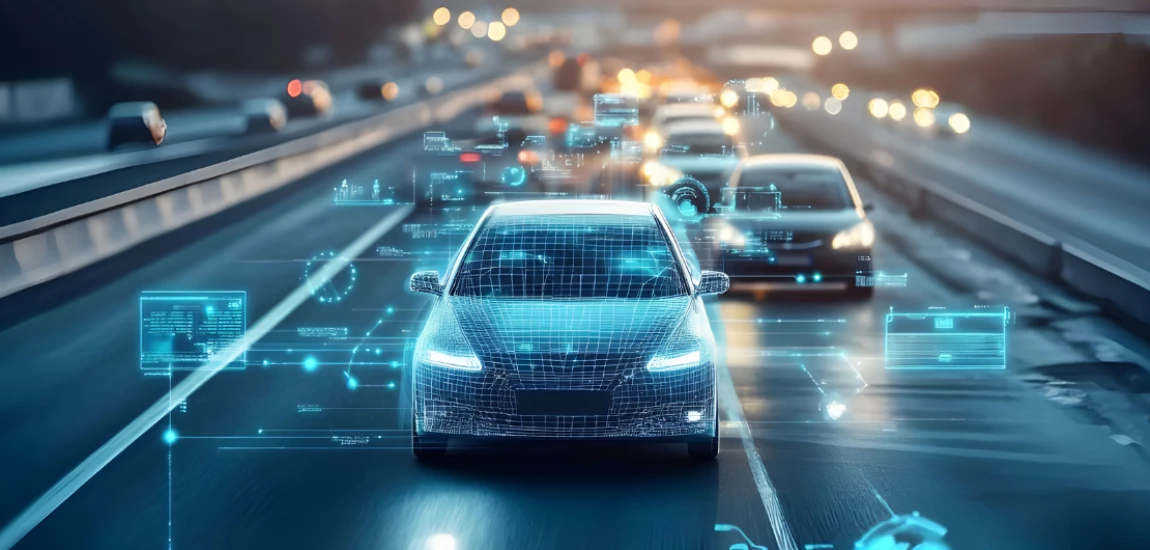
Tourism destinations often attract thousands of visitors who need to move between airports, hotels, restaurants, shopping districts, historical landmarks, and popular attractions. When transportation systems are poorly coordinated, travelers may experience traffic congestion, long waiting times, crowded public transport, and difficulty reaching their destinations. These problems can reduce visitor satisfaction and place additional pressure on local infrastructure.
Real-Time Tourism Mobility Optimization Networks offer an intelligent approach to improving how visitors move through tourism destinations. These networks combine real-time transportation data, artificial intelligence, GPS technology, digital maps, and smart mobility services to help travelers select efficient routes and make informed transportation decisions.
By analyzing traffic conditions, public transportation schedules, visitor density, and travel demand, mobility optimization systems can recommend suitable routes and transportation alternatives. Destination managers can also use these insights to understand movement patterns and improve the distribution of visitors between attractions.
From reducing congestion around famous landmarks to connecting tourists with public transportation and walking routes, intelligent mobility networks can make destinations more accessible, organized, and sustainable.
Understanding Real-Time Tourism Mobility Optimization Networks

What Are Tourism Mobility Optimization Networks?
Real-time tourism mobility optimization networks are connected digital systems designed to improve transportation and visitor movement within tourism destinations. They combine information from navigation applications, traffic monitoring systems, public transportation providers, location services, and destination management platforms.
These systems help travelers understand available transportation options and choose routes based on factors such as travel time, distance, cost, accessibility, and current traffic conditions.
For example, a tourist visiting a large city may want to travel from a hotel to a museum, a shopping district, and a historic monument. A mobility optimization network can help coordinate these visits by identifying suitable routes, suggesting public transportation, and estimating the time needed to reach each destination.
How Real-Time Mobility Optimization Works
The system collects and analyzes information from multiple sources. GPS data can indicate traffic movement, transportation providers can supply schedule information, and digital maps can identify routes between attractions.
Artificial intelligence and analytical models can use this information to identify congestion, predict travel delays, and recommend alternative routes.
When a road becomes crowded or a bus service experiences disruption, the system may suggest another route or transportation option. Some platforms can also help destination managers monitor visitor flows and identify areas experiencing excessive pressure.
The quality of these recommendations depends on the accuracy, availability, and timeliness of the data.
Why Smart Tourism Mobility Matters
Efficient transportation allows visitors to experience more of a destination with less unnecessary waiting and confusion. It also helps reduce pressure on popular attractions, supports local businesses, and improves access to less-visited areas.
For destination authorities, real-time mobility intelligence provides valuable information for transportation planning and infrastructure investment.
By connecting transportation services with tourism information, destinations can create more coordinated travel experiences that benefit visitors, residents, and tourism businesses.
Real-Time Route Planning and Intelligent Navigation

Creating Efficient Travel Routes
Traditional route planning often relies on estimated travel times that may not reflect current conditions. Real-time tourism route optimization improves this process by incorporating live traffic information, road closures, transportation delays, and other relevant updates.
For example, a visitor traveling to a popular landmark may receive a recommendation to use a nearby train station instead of taking a taxi through congested streets.
The system can also compare different routes according to the traveler's preferences. Someone who values speed may prefer the quickest option, while a budget-conscious visitor may choose a lower-cost public transportation route.
This flexibility makes intelligent navigation useful for families, solo travelers, tour groups, and business visitors.
Connecting Multiple Attractions
Tourists often visit several attractions during a single day. Poorly organized routes can create unnecessary backtracking, increase transportation expenses, and leave less time for sightseeing.
Mobility optimization networks can arrange destinations in a logical sequence based on location, opening hours, estimated travel time, and reservation schedules.
For example, a city itinerary might group a historic district, a nearby museum, and a local market into one area before directing visitors to a distant attraction.
This approach can reduce unnecessary journeys and improve the overall travel experience. However, route recommendations should also account for walking distances, rest breaks, accessibility requirements, and the time visitors want to spend at each location.
Personalizing Navigation Recommendations
Different visitors have different mobility needs. Some prefer walking, others rely on public transportation, and some require step-free routes or additional time between destinations.
Intelligent navigation systems can use stated preferences to recommend suitable options. Travelers may select routes that prioritize affordability, accessibility, convenience, or fewer transfers.
Personalized navigation makes destinations easier to explore while helping visitors retain control over their travel decisions.
Improving Public Transportation and Multimodal Connectivity

Connecting Different Transportation Services
Tourism journeys frequently involve multiple transportation methods, including buses, trains, metro systems, taxis, bicycles, ferries, and walking routes.
When these services operate without adequate coordination, visitors may struggle to understand transfer points, schedules, ticket requirements, and journey times.
Real-time mobility networks can combine information from different providers to present more connected transportation options. A traveler arriving at an airport, for instance, could compare a direct bus, a train connection, and a taxi based on estimated time and cost.
This approach, often called multimodal travel planning, helps visitors choose transportation combinations that match their requirements.
Making Public Transport Easier to Use
Public transportation can reduce congestion and provide affordable access to attractions, but unfamiliar routes and complicated ticketing systems may discourage tourists from using it.
Digital mobility platforms can provide clear instructions, station information, departure estimates, transfer guidance, and service alerts.
Destination authorities can improve the visitor experience by providing multilingual information and ensuring that digital transport guidance is easy to understand.
When travelers can confidently navigate public transport, they may rely less on private vehicles and taxis, particularly in crowded city centers.
Coordinating Transportation Demand
Real-time visitor information can help transportation operators understand when and where demand is increasing.
For example, an attraction hosting a major event may generate a sudden increase in demand for nearby buses and trains. Mobility data can help operators prepare service adjustments where operationally possible.
Better coordination can reduce waiting times and improve access during busy periods. It can also help destination managers identify transport gaps in areas that attract visitors but lack sufficient public transportation.


Gilbert Ott, the man behind "God Save the Points," specializes in travel deals and luxury travel. He provides expert advice on utilizing rewards and finding travel discounts.
Gilbert Ott

Prev Post
Next Post