
Real-Time Tourism Crowd Intelligence and Visitor Flow Networks – Using Live Data to Reduce Overcrowding, Improve Visitor Movement, and Protect Popular Attractions
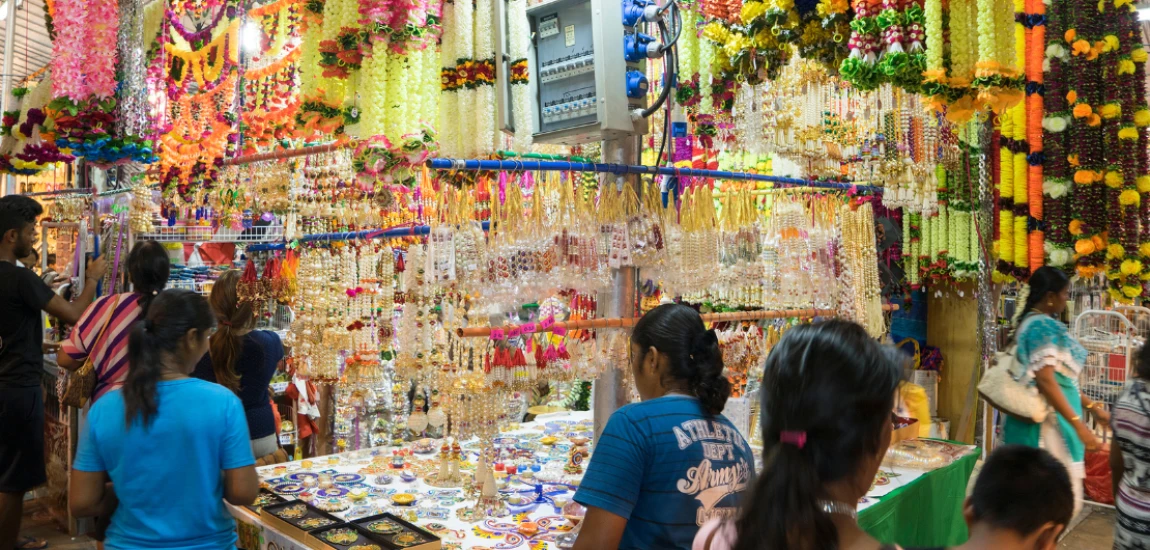
Tourism destinations attract millions of visitors to historic landmarks, beaches, museums, national parks, shopping districts, and cultural attractions. Although tourism supports local economies and creates employment opportunities, large crowds can cause traffic congestion, long queues, environmental damage, and uncomfortable visitor experiences. Popular destinations may struggle to manage these challenges when visitor numbers increase unexpectedly during holidays, festivals, weekends, or peak travel seasons.
Real-time tourism crowd intelligence offers a modern approach to managing these problems. It combines live visitor data, digital monitoring tools, predictive analytics, and intelligent communication systems to understand where crowds are gathering and how people are moving through destinations. Tourism managers can use this information to redirect visitors, adjust access arrangements, improve transportation, and protect sensitive attractions before congestion becomes severe.
Unlike traditional crowd management methods that depend mainly on manual observation or historical visitor statistics, real-time visitor flow management responds to changing conditions as they happen. It helps destination authorities make informed decisions, improves safety, and supports more sustainable tourism development.
By integrating smart tourism technology with responsible destination planning, tourism organizations can create enjoyable experiences while protecting local communities, cultural heritage, and natural environments.
Understanding Real-Time Tourism Crowd Intelligence

What Is Tourism Crowd Intelligence?
Real-time tourism crowd intelligence is the process of collecting and analyzing current information about visitor numbers, movement patterns, congestion levels, and attraction capacity. It helps tourism authorities understand how crowds behave across different locations and times of day.
For example, a historic city may experience heavy congestion around a famous monument while nearby streets remain relatively quiet. Crowd intelligence systems can identify this imbalance and help managers encourage visitors to explore alternative attractions.
The technology can combine information from ticketing systems, entrance counters, transport services, anonymous mobile-device data, and digital reservation platforms. When used responsibly, these sources provide a clearer picture of visitor activity without requiring unnecessary identification of individuals.
The primary objective is not simply to count tourists. It is to understand how visitors move, where pressure develops, and which actions can improve the overall experience.
Why Traditional Crowd Management Is Not Enough
Traditional methods often rely on staff observations, fixed capacity limits, and reports collected after an event. Although these methods remain useful, they may not identify sudden changes quickly enough.
A popular attraction could become overcrowded within minutes when several tour groups arrive simultaneously. Without live information, managers might recognize the problem only after queues become excessive or pedestrian movement becomes difficult.
Real-time tourism monitoring provides faster visibility. Managers can detect rising visitor numbers, communicate expected waiting times, temporarily adjust entry arrangements, and direct visitors toward less crowded areas.
The Role of Data-Driven Decisions
Crowd intelligence turns visitor information into practical decisions. Instead of relying entirely on assumptions, tourism planners can evaluate actual movement patterns and determine where resources are most needed.
For instance, if live data indicates increasing congestion at a museum entrance, managers can open additional entry points, organize separate queues, or stagger reservations.
These decisions help tourism destinations improve operational efficiency while maintaining safety, accessibility, and visitor satisfaction.
Technologies Powering Real-Time Visitor Flow Networks

Sensors, Cameras, and Smart Counters
Modern tourism destinations can use pedestrian sensors, infrared counters, ticket scanners, and carefully designed camera analytics to estimate visitor numbers. These technologies help identify crowded entrances, busy walkways, and areas approaching their safe operating capacity.
Smart counters are particularly useful at museums, national parks, heritage sites, and event venues where entry and exit movements need to be monitored. By comparing incoming and outgoing visitors, managers can estimate how many people are present at a particular location.
Camera-based analytics may also identify movement patterns and bottlenecks. However, systems should prioritize anonymous counting and avoid unnecessary facial recognition or personal identification.
Mobile Applications and Location-Based Insights
Tourism applications can provide information about attraction occupancy, estimated waiting times, alternative routes, and less crowded activities. Visitors can use this information to make better decisions before reaching congested areas.
For example, a traveler planning to visit a popular viewpoint might receive a recommendation to arrive later in the afternoon or explore a nearby garden first.
Aggregated and privacy-conscious mobile location data can also help tourism planners understand broad movement patterns between attractions, public transport stations, hotels, and commercial districts.
Such insights should be collected transparently and in accordance with applicable privacy requirements.
Artificial Intelligence and Predictive Analytics
Artificial intelligence can analyze current crowd conditions alongside historical attendance, weather forecasts, event schedules, public holidays, and transportation information.
This allows systems to estimate where congestion is likely to develop next. If a festival is expected to attract large crowds, predictive analytics may identify which roads, entrances, or public spaces require additional staff.
Combining predictive models with live monitoring creates a more responsive visitor flow network. Managers can prepare for potential problems before they affect visitors, rather than waiting for congestion to become visible.
Reducing Overcrowding at Popular Tourist Attractions

Monitoring Attraction Capacity
Every attraction has practical limits based on its size, infrastructure, environmental sensitivity, and safety requirements. Real-time crowd intelligence helps managers compare current attendance with these limits.
A historic building may have narrow corridors and fragile interiors, while a beach may require careful management of parking, sanitation, and emergency access. Each location needs its own capacity guidelines.
Live monitoring can alert staff when visitor numbers approach established thresholds. Managers can then slow admissions, introduce timed entry, or temporarily pause access when necessary.
Capacity decisions should consider more than physical space. Environmental damage, cultural preservation, accessibility, and the quality of the visitor experience are equally important.
Introducing Timed Entry and Smart Reservations
Timed reservations distribute visitor arrivals across the day instead of allowing large numbers of people to enter at once. When combined with live crowd information, reservation systems can become more flexible and effective.
For example, a museum experiencing unexpected congestion could encourage visitors with flexible bookings to choose a quieter time. Tour operators could also coordinate group arrivals to avoid overwhelming the same entrance.
Destinations should communicate these changes clearly and provide reasonable alternatives for visitors who cannot easily modify their schedules.
Smart reservations work best when they balance operational needs with fairness. Essential access information should remain available to visitors without smartphones, and booking policies should accommodate people with disabilities and other specific requirements.
Encouraging Visitors to Explore Alternative Attractions
Overcrowding often occurs because visitors concentrate on a small number of famous landmarks. Nearby attractions may remain underused even when they offer valuable cultural, recreational, or educational experiences.
Tourism authorities can use live visitor data to recommend quieter museums, local markets, walking routes, parks, and heritage neighborhoods.
These recommendations should explain why alternative locations are worth visiting rather than simply telling travelers to avoid popular sites.
Distributing visitors more evenly can reduce pressure on major attractions while creating economic opportunities for smaller tourism businesses and local communities.


Gary Arndt operates "Everything Everywhere," a blog focusing on worldwide travel. An award-winning photographer, Gary shares stunning visuals alongside his travel tales.
Gary Arndt
Prev Post
Next Post