
Proactive Destination Risk Management – Identifying potential threats before they affect tourism operations.
Tourism destinations depend on reliable infrastructure, safe environments, effective transportation, and coordinated services. However, unexpected events such as extreme weather, public health emergencies, cyberattacks, transport disruptions, environmental hazards, and security incidents can threaten tourism operations. When destinations respond only after a problem occurs, the consequences may include financial losses, visitor safety concerns, damaged reputations, and long-term harm to local businesses.
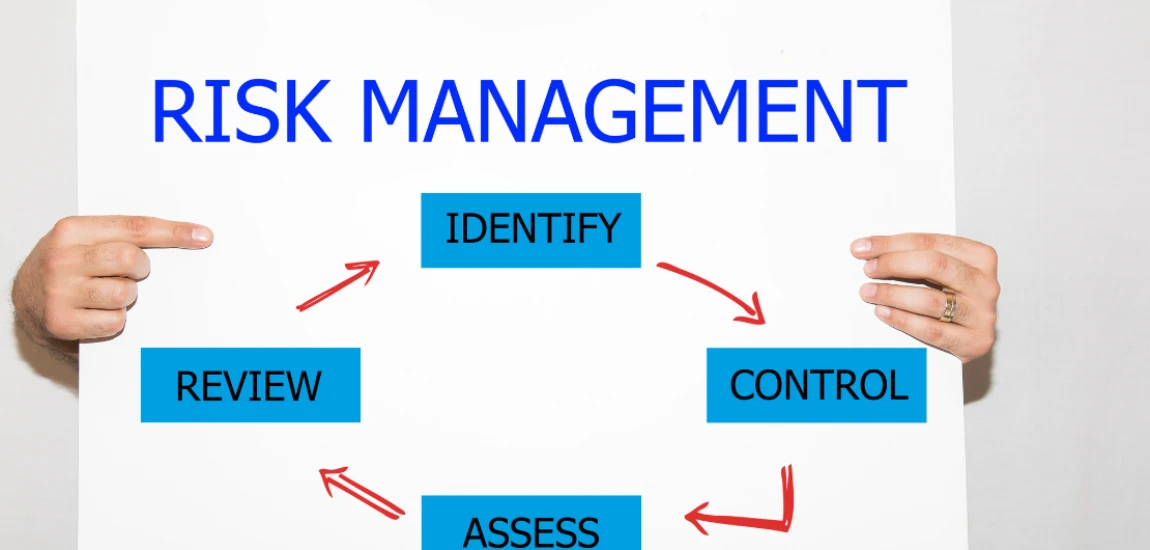
Proactive Destination Risk Management focuses on identifying potential threats before they develop into serious problems. Instead of relying entirely on emergency responses, tourism organizations assess vulnerabilities, monitor warning signs, prepare response plans, and coordinate preventive measures.
For example, a coastal destination can monitor weather forecasts, inspect vulnerable infrastructure, prepare evacuation procedures, and communicate safety guidance before severe weather arrives. Similarly, a tourism business can strengthen cybersecurity, review supplier reliability, and prepare alternatives for transport disruptions.
This approach involves cooperation among destination management organizations, local authorities, tourism businesses, emergency services, residents, and technology providers. Each stakeholder contributes information and resources that can help identify risks earlier and reduce their potential impact.
By making risk awareness part of everyday destination planning, tourism organizations can protect visitors, support business continuity, preserve natural and cultural assets, and build confidence in the destination. The following sections explain how to develop an effective proactive destination risk management strategy.
Understanding Proactive Destination Risk Management

Proactive destination risk management is a structured process for identifying, evaluating, prioritizing, and reducing threats that could affect tourism destinations. It combines preventive planning, continuous monitoring, risk assessment, and coordinated action to reduce the likelihood or consequences of disruption.
Moving From Reactive Responses to Prevention
Reactive risk management begins after an incident has already occurred. A destination may arrange emergency accommodation after a storm, communicate with travelers after a transport breakdown, or restore services following a cybersecurity incident.
Although emergency response remains essential, relying on it alone can increase costs and expose visitors and communities to avoidable harm.
A proactive approach examines what could go wrong before an incident occurs. Tourism managers assess vulnerable locations, operational weaknesses, seasonal risks, and potential points of failure. They then introduce preventive measures such as maintenance schedules, emergency communication systems, staff training, and backup arrangements.
For example, a mountain destination can inspect trails before the busy season, establish weather-related closure criteria, and train staff to recognize hazardous conditions.
Prevention cannot eliminate every risk, but it can reduce exposure and improve readiness when unexpected events occur.
Identifying Different Types of Destination Risks
Tourism destinations face several interconnected categories of risk. Environmental risks include floods, heatwaves, wildfires, coastal erosion, and water shortages. Operational risks may involve equipment failure, staff shortages, transport interruptions, or supplier problems.
Financial risks include sudden demand declines, rising operating costs, and excessive dependence on a single visitor market. Security and digital risks include theft, fraud, data breaches, and disruptions to booking systems.
Social and reputational risks can arise from overcrowding, community dissatisfaction, poor visitor behavior, or misleading safety information.
Identifying these categories helps destinations avoid focusing exclusively on visible emergencies. A destination might have strong storm procedures but remain vulnerable to water shortages or a failure in its reservation system.
Building a Shared Risk Management Culture
Risk management works best when it becomes part of routine decision-making rather than a document reviewed only during emergencies.
Tourism businesses should encourage employees to report hazards, record near misses, inspect equipment, and communicate operational concerns. Managers should make responsibilities clear and ensure that staff understand how to respond when warning signs appear.
At destination level, organizations can share relevant risk information through established coordination channels. A culture of prevention enables stakeholders to recognize patterns earlier and address problems before they escalate.
Conducting Destination Risk Assessments and Vulnerability Analysis

A destination risk assessment identifies potential threats, evaluates their likelihood and consequences, and determines which vulnerabilities require attention first. This process provides the foundation for practical prevention and investment decisions.
Mapping Hazards and Vulnerable Assets
The first step is to identify important tourism assets and the hazards that could affect them. These assets may include hotels, attractions, transport routes, beaches, heritage buildings, visitor information centers, utilities, and emergency facilities.
Geographic information systems and destination maps can help identify locations exposed to flooding, landslides, wildfires, coastal hazards, or other locally relevant threats.
Managers should also examine dependencies between assets. A destination may have several functioning hotels, for example, but a single vulnerable access road could prevent visitors and emergency personnel from reaching them.
Mapping these connections helps identify risks that may not be obvious when each business is assessed separately.
Evaluating Likelihood and Potential Impact
After identifying hazards, organizations can assess how likely each event is and how serious its consequences could be.
A practical risk register may record the threat, affected assets, likelihood, potential impact, existing safeguards, responsible staff, and planned actions. Destinations can use simple rating scales when detailed quantitative data is unavailable.
Assessments should consider human safety, environmental damage, financial losses, service interruptions, cultural heritage, and effects on residents.
Risk rankings should support decisions rather than create a false impression of precision. Low-probability events can still deserve urgent attention when their consequences would be severe.
Prioritizing Preventive Investments
Resources are limited, so destinations need to prioritize actions according to their potential benefits and urgency.
A hotel may discover that basic electrical maintenance, staff emergency training, and backup communications offer more immediate risk reduction than a costly technology project.
A destination authority might prioritize flood drainage improvements near essential transport routes before investing in less critical visitor facilities.
Risk assessments should be reviewed periodically and after significant changes, including new infrastructure, unusual weather events, major tourism developments, or lessons learned from incidents.
Using Data and Predictive Technology to Identify Emerging Threats

Digital tools can strengthen proactive destination risk management by helping organizations recognize warning signs, analyze patterns, and share relevant information. Technology is most effective when it supports sound judgment and is connected to clear procedures.
Applying Predictive Analytics and Artificial Intelligence
Predictive analytics can combine historical records, current observations, weather information, visitor demand, and operational data to identify potential risks.
For example, demand forecasts may reveal when visitor numbers are likely to exceed transport capacity. Environmental data may help identify periods when water shortages are more likely, while maintenance records can highlight equipment that may require attention.
Artificial intelligence can help analyze large datasets and identify patterns that would otherwise be difficult to detect. However, predictions are not guarantees. Incomplete records, unusual events, and changing conditions can reduce model reliability.
Destinations should test predictive systems against actual outcomes, communicate uncertainty, and maintain human oversight for important decisions.
Establishing Early Warning Systems
Early warning systems help destinations recognize developing threats and communicate appropriate actions before conditions become dangerous.
Depending on local risks, warning sources may include official weather alerts, flood monitoring, wildfire information, public health guidance, infrastructure sensors, and emergency service updates.
Warnings should be linked to predefined actions. For example, a severe weather alert might trigger an inspection, temporary closure, visitor notification, or evacuation procedure based on the applicable official guidance and local emergency plan.
A warning that does not reach the right people or lead to a timely response has limited value. Destinations should test communication channels and ensure that staff understand who makes decisions and when action is required.
Improving Information Sharing and Cybersecurity
Risk information often sits across different organizations. Transport operators may know about disruptions, hotels may report changes in occupancy, and local authorities may hold information about infrastructure or environmental hazards.
Appropriate information-sharing agreements can help stakeholders coordinate their responses while protecting sensitive data.
Tourism organizations must also protect the digital systems used for reservations, payments, customer records, and operational communication. Strong access controls, software updates, secure backups, staff awareness, and incident response plans can reduce cybersecurity risks.
Technology should strengthen preparedness without creating unnecessary privacy risks or excessive dependence on a single platform.
Preparing for Environmental, Climate, and Infrastructure Risks

Environmental and infrastructure risks can disrupt tourism services, damage destinations, and threaten human safety. Proactive management combines local hazard assessments, preventive maintenance, climate adaptation, and coordinated emergency planning.
Anticipating Climate-Related Threats
Climate-related hazards can affect tourism in different ways. Heatwaves may create health risks for outdoor visitors, drought can reduce water availability, and intense rainfall may damage roads or increase flood exposure.
Destinations should assess which hazards are relevant to their geography, infrastructure, ecosystems, and tourism seasons.
Preventive measures may include shade and drinking-water access in hot locations, suitable drainage systems, fire preparedness, water conservation, and protection of vulnerable coastal or mountain environments.
Climate risk assessments should draw on credible local forecasts and official guidance. Plans should also account for how climate-related events could affect residents, essential services, and local livelihoods beyond tourism.
Maintaining Critical Infrastructure
Tourism operations rely on roads, bridges, electricity, water systems, telecommunications, sanitation, and public facilities. Failures in these systems can affect many businesses simultaneously.
Routine inspections, preventive maintenance, equipment replacement plans, and backup arrangements can reduce the likelihood of avoidable disruptions.
Destinations should identify critical dependencies and determine how essential services would operate if one component failed. A hotel might need backup communication methods, while an attraction could require clear procedures for safely closing its facilities.
Maintenance priorities should reflect safety, asset condition, and the consequences of failure rather than focusing only on immediate repair costs.
Protecting Natural and Cultural Attractions
Beaches, forests, trails, historic districts, archaeological sites, and wildlife habitats may be vulnerable to erosion, extreme weather, pollution, or excessive visitor pressure.
Monitoring site conditions can help managers detect early signs of damage and introduce suitable preventive measures. These may include trail maintenance, visitor limits, seasonal closures, restoration projects, and improved waste management.
Cultural heritage sites may require specialized conservation advice and carefully designed emergency procedures.
Protecting attractions before serious damage occurs preserves tourism value while respecting the environmental and cultural resources that matter to local communities.


Gary Arndt operates "Everything Everywhere," a blog focusing on worldwide travel. An award-winning photographer, Gary shares stunning visuals alongside his travel tales.
Gary Arndt

Prev Post