
Predictive Tourism Infrastructure – Preparing Travel Facilities for Future Demands
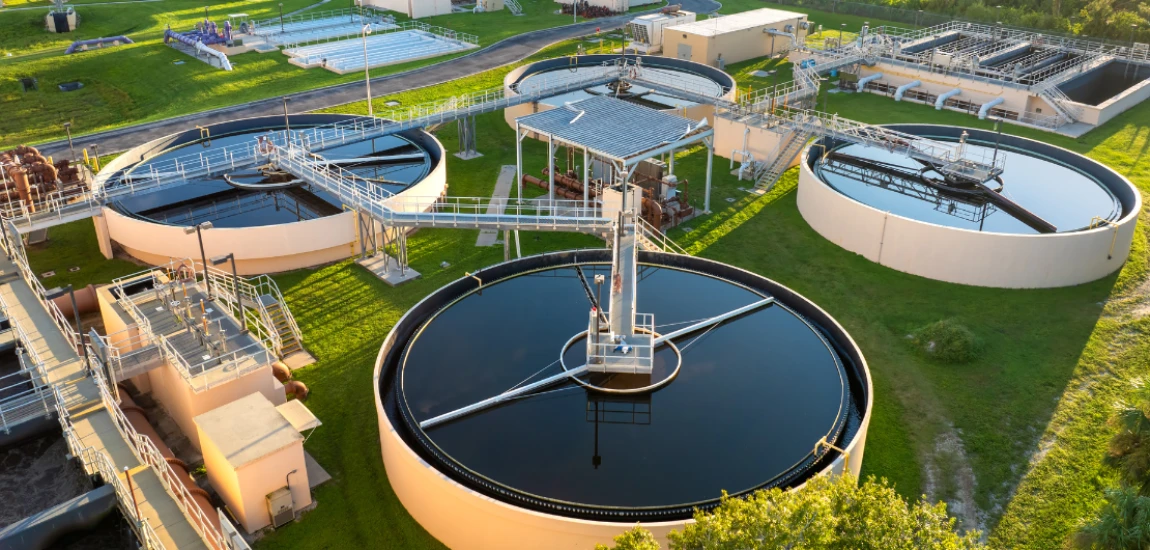
Tourism destinations depend on infrastructure to provide safe, comfortable, and efficient experiences for visitors. Roads, airports, railway stations, hotels, public transportation, water systems, electricity networks, attractions, pedestrian areas, digital services, and public spaces all contribute to the overall tourism experience. However, tourism demand is constantly changing. Visitor numbers can increase, travel preferences can shift, new destinations can become popular, and environmental conditions can create new infrastructure requirements.
This is where Predictive Tourism Infrastructure becomes increasingly important. Instead of building facilities based only on current tourism demand or historical statistics, predictive infrastructure planning uses data, forecasting, technology, and scenario analysis to prepare for future needs.
A destination may experience rapid visitor growth during holidays, festivals, sporting events, or peak seasons. Without appropriate planning, this can lead to overcrowded roads, long queues, insufficient accommodation, pressure on water supplies, overloaded public transportation, and increased waste. Predictive tourism infrastructure aims to identify these potential pressures before they become major problems.
The concept also goes beyond simply building more infrastructure. The goal is to develop facilities that are flexible, sustainable, accessible, resilient, and capable of adapting to changing tourism patterns. This approach can help destinations improve visitor experiences while protecting local communities and natural resources.
Understanding Predictive Tourism Infrastructure

What Predictive Tourism Infrastructure Means
Predictive Tourism Infrastructure is an approach to tourism infrastructure planning that uses information about current conditions and future trends to prepare travel facilities for expected demand.
Traditional infrastructure planning often looks backward. Planners examine previous visitor numbers, transportation usage, accommodation occupancy, and seasonal patterns before deciding what facilities are required.
Predictive planning adds a forward-looking perspective. It asks how many visitors a destination could receive in the future, where those visitors might go, which facilities they may use, and what resources will be required.
For example, if tourism forecasting indicates that a destination could experience significant visitor growth over the next several years, planners may evaluate whether existing roads, public transportation, airports, hotels, water systems, and public spaces can handle the additional demand.
Why Future Demand Matters
Tourism infrastructure often requires significant investment and long development periods. Airports, railways, roads, hotels, wastewater systems, and public spaces cannot always be expanded quickly when demand suddenly increases.
If infrastructure planning begins only after overcrowding becomes visible, destinations may face expensive emergency solutions.
Predictive tourism infrastructure helps planners think ahead. It can identify possible future capacity gaps and provide time to develop appropriate solutions.
The objective is not to predict the future perfectly. Instead, it is to prepare infrastructure for a range of possible tourism scenarios.
Connecting Infrastructure With Destination Development
Infrastructure is closely connected to the overall development of a tourism destination. A new attraction can increase visitor demand, while a new railway station can make previously inaccessible areas easier to visit.
Therefore, infrastructure decisions should not be made independently.
Tourism planners should consider transportation, accommodation, attractions, utilities, public spaces, environmental protection, accessibility, and local community needs as parts of one connected tourism system.
This integrated approach can help destinations avoid infrastructure imbalances and create more coordinated tourism development.
Using Tourism Data to Forecast Infrastructure Needs

Tourism Demand Forecasting
Tourism demand forecasting is one of the most important components of predictive infrastructure planning. Forecasting can examine historical visitor numbers, seasonal patterns, booking trends, travel markets, economic conditions, and other indicators.
For example, a destination may notice that visitor numbers have increased steadily during spring and autumn while traditional summer demand remains stable. This information could influence decisions about seasonal transportation, accommodation, attractions, and public services.
Forecasting can also help identify potential changes in visitor markets. If a destination begins attracting more international visitors, planners may need to consider multilingual services, airport capacity, public transportation, and digital visitor information.
Analyzing Visitor Movement
Knowing how many people visit a destination is useful, but knowing where visitors move is equally important.
Visitor movement data can show which roads, attractions, transportation routes, shopping districts, beaches, parks, or cultural sites experience the greatest pressure.
For example, a destination might have sufficient overall transportation capacity but still experience severe congestion around a small number of popular attractions.
Predictive infrastructure systems can analyze these movement patterns and help planners develop alternative routes, pedestrian connections, shuttle services, or additional visitor facilities.
Identifying Future Capacity Gaps
Capacity analysis compares expected future demand with existing infrastructure.
If a destination expects visitor growth but its wastewater system, parking facilities, public transportation, or accommodation capacity are already close to their limits, planners can identify these areas as future infrastructure priorities.
This approach can help direct investment toward areas where it is most needed instead of expanding infrastructure everywhere.
It also encourages evidence-based tourism planning, where infrastructure decisions are connected to measurable demand patterns and future scenarios.
Building Smart and Sustainable Travel Facilities

Smart Transportation Infrastructure
Transportation is one of the most visible components of tourism infrastructure. Airports, railways, buses, roads, cycling routes, pedestrian networks, and other mobility systems determine how easily visitors can move through a destination.
Predictive tourism infrastructure can help transportation planners prepare for future visitor flows.
Smart transportation systems can use real-time information to monitor congestion, passenger demand, parking availability, and public transportation usage. Predictive models can then identify periods when additional services may be needed.
Destinations can also encourage public transportation, walking, cycling, and shared mobility to reduce pressure on roads and lower environmental impacts.
Sustainable Utilities and Resource Systems
Tourism places significant demand on water, electricity, waste management, and wastewater systems. Infrastructure planning must therefore consider not only visitor numbers but also resource consumption.
A destination experiencing rapid tourism growth may need more efficient water systems, renewable energy solutions, recycling facilities, and wastewater treatment capacity.
Predictive planning can estimate future resource requirements and help destinations avoid infrastructure shortages.
Sustainable infrastructure can also reduce long-term operating costs while supporting environmental objectives.
Energy-Efficient Tourism Facilities
Hotels, airports, attractions, restaurants, and public buildings can consume large amounts of energy.
Future-ready tourism infrastructure can incorporate energy-efficient lighting, smart building systems, renewable energy, efficient cooling systems, and improved building design.
Energy planning is particularly important in destinations where tourism demand increases during periods of extreme heat or cold.
By forecasting future energy needs, destinations can develop infrastructure that remains reliable while reducing unnecessary resource consumption.
Preparing Infrastructure for Visitor Growth and Changing Needs

Accommodating Increasing Visitor Numbers
Growing tourism demand can place pressure on accommodation, transportation, attractions, public spaces, and local services.
Predictive infrastructure planning can help destinations determine whether existing facilities are sufficient for future visitor numbers.
However, simply building more hotels or expanding attractions is not always the answer. Infrastructure development should consider carrying capacity, community needs, environmental limits, and the distribution of tourism activity.
A destination may benefit more from improving transportation connections to underused areas than from concentrating additional facilities in already crowded locations.
Designing Flexible Infrastructure
Tourism demand can change unexpectedly. Flexible infrastructure can respond more effectively to these changes.
For example, public spaces can be designed to serve different purposes depending on the season. Transportation systems can increase service frequency during peak periods. Convention facilities can support tourism events while also serving local communities.
Flexible infrastructure reduces the risk of building facilities that become underused when demand changes.
This is particularly valuable for destinations exposed to seasonal tourism patterns.
Planning for Accessibility
Future tourism infrastructure should also be accessible to people with different mobility, sensory, and cognitive needs.
Accessible transportation, step-free routes, clear signage, accessible accommodation, appropriate rest areas, and inclusive public spaces can improve travel experiences for a wider population.
Predictive planning allows accessibility to be included from the beginning rather than treated as an afterthought.
Inclusive infrastructure can benefit both visitors and local residents, creating destinations that are easier for everyone to navigate.


Gary Arndt operates "Everything Everywhere," a blog focusing on worldwide travel. An award-winning photographer, Gary shares stunning visuals alongside his travel tales.
Gary Arndt
Prev Post

Next Post