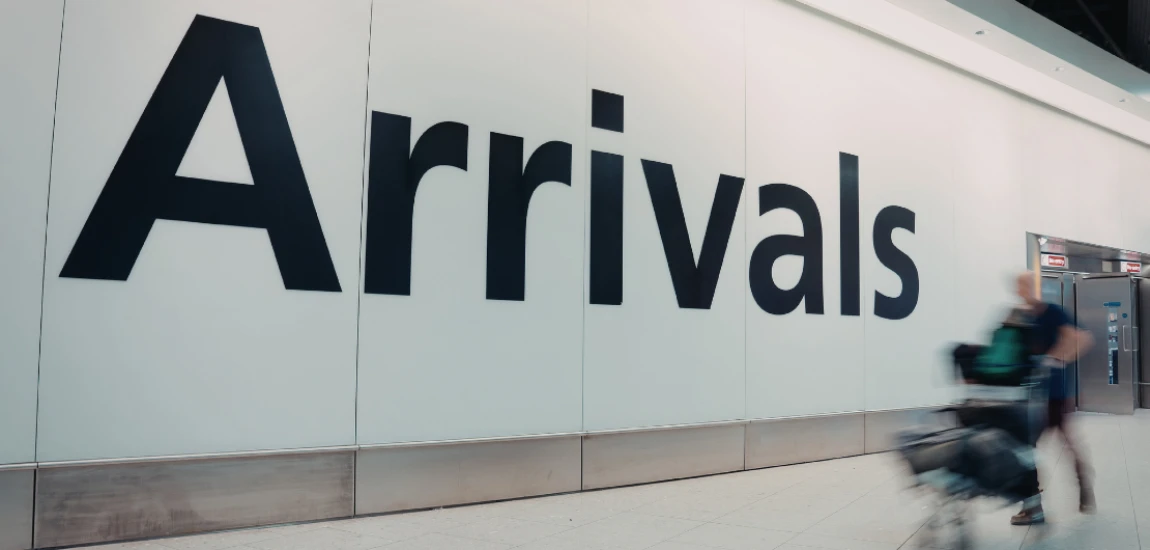
Travel isn’t just about visiting new places—it’s about collecting stories your friends will pretend to enjoy hearing… again. Our Travel page is your passport to adventure with destination guides, clever tips, and just enough humor to survive airport security with a smile.
From hidden gems to bucket-list wonders, we help you plan trips worth bragging about—without losing your luggage (hopefully). Want to dodge jet lag like a pro? Or snap that Instagram-perfect shot without wrestling a tour group for the view? We’ve got you.
Whether you’re booking a quick weekend escape or a grand “I’m definitely overpacking” journey, we make sure your trip is more than just a ticket—it’s a story worth retelling. Pack curiosity, leave the stress, and maybe triple-check your passport. Adventure awaits (and so does that overpriced airport coffee).
Emotional altitude planning is a new way of designing travel around your stress sensitivity rather than pushing through it. This guide explores how to choose routes, pacing, and environments that support emotional regulation, reduce overwhelm, and make travel genuinely restorative instead of exhausting.
Arrival shock mitigation is a nervous-system–aware approach to travel planning that focuses on designing smoother transitions. This guide explains why arrivals are often the most stressful part of a trip and how to prevent overload through pacing, environment choices, and intentional arrival-day design.
Familiarity scaffolding is a travel-planning approach that layers the known into the unknown to reduce stress and nervous-system overload. This guide explains how familiar routines, environments, and choices can make new destinations feel safer, calmer, and more sustainable.
Cognitive jet lag describes the lingering mental disorientation that follows travel, even after physical fatigue fades. This guide explores why the brain takes longer to recalibrate—and how to design travel and recovery that support cognitive and emotional regulation.
Low-stakes exploration is a travel mindset that removes pressure, productivity, and performance from discovery. This guide explains how separating curiosity from obligation leads to calmer, richer, and more sustainable experiences abroad.
Baseline travel is a new approach to trip design that prioritizes emotional stability over intensity. This guide explains how to plan journeys that protect your emotional default state, reduce travel stress, and support long-term well-being.
Soft-arrival tourism is a travel philosophy that prioritizes the first 24 hours of a trip as the foundation for emotional stability. This guide explains how gentle arrivals protect energy, reduce stress, and improve the entire travel experience.
Cognitive light packing is a travel philosophy that prioritizes fewer decisions over fewer belongings. This guide explores how reducing mental load before and during a trip leads to calmer travel, better focus, and sustained energy.
Anchor-based exploration is a travel approach that uses familiar rituals to maintain emotional stability in new environments. This guide explains how intentional anchors reduce anxiety, improve orientation, and support calmer, more meaningful travel.
Energy-Neutral Travel is about moving through cities without quietly draining your emotional, cognitive, and physical reserves. This guide explains how to travel in a way that preserves your internal energy—so you return home restored instead of depleted.