
Next-Generation Travel Infrastructure – How Smart Airports, Hotels, and Cities Could Redefine Tourism
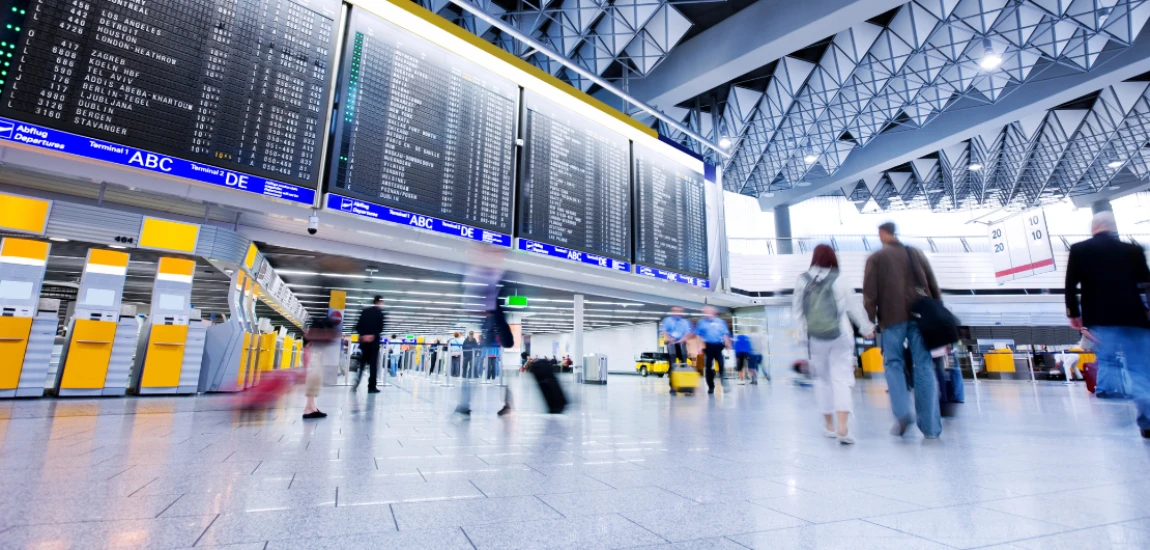
Tourism depends on infrastructure. Travelers need airports to arrive, transportation systems to move around, hotels to stay in, roads and public spaces to explore, and digital systems to make everything work together. For decades, much of this infrastructure has operated through separate systems, requiring travelers to manage different bookings, queues, check-ins, transportation schedules, and information sources.
That model is beginning to change.
Next-Generation Travel Infrastructure is emerging through artificial intelligence, automation, connected devices, smart mobility, digital identity, data analytics, renewable energy, and intelligent destination management. These technologies could transform airports, hotels, cities, and tourism destinations into connected ecosystems that respond more effectively to traveler needs.
Imagine arriving at an airport where biometric or digital identity systems reduce repetitive document checks, intelligent systems guide you through the terminal, and real-time data helps manage crowds. After arrival, smart transportation could recommend the most efficient route to your hotel based on traffic and passenger demand. At the hotel, automated check-in and personalized room settings could reduce waiting and improve comfort.
The transformation would not stop at individual businesses. Smart cities could connect public transportation, tourism attractions, environmental monitoring, pedestrian management, and visitor information into a coordinated destination system.
However, smart infrastructure is not simply about installing more technology. Successful tourism infrastructure must remain human-centered, accessible, secure, sustainable, and easy to use.
The future of tourism may therefore depend not only on where people travel, but on how intelligently the places they visit are designed to respond to them.
Smart Airports Are Becoming Intelligent Travel Gateways

Faster and More Seamless Passenger Journeys
Airports are among the most important parts of the tourism infrastructure system. They are also places where travelers frequently experience queues, security procedures, confusing directions, baggage delays, and crowded spaces.
Next-generation airports could use artificial intelligence, biometrics, sensors, and real-time data to make passenger movement more efficient.
Digital identity systems could reduce the need for travelers to repeatedly present physical documents at different checkpoints. Automated gates and intelligent security processes could potentially reduce waiting times while maintaining appropriate security standards.
Smart airport applications could also provide travelers with personalized directions. Instead of simply displaying a terminal map, an intelligent system could guide a passenger from check-in to security, gate, lounge, baggage claim, or ground transportation.
This could be particularly useful for international visitors unfamiliar with large airports.
Intelligent Crowd and Resource Management
Airports need to manage enormous numbers of people within limited spaces. Crowding can occur around security checkpoints, boarding gates, baggage areas, immigration facilities, restaurants, and transportation connections.
Real-time data could help airport operators identify crowded areas and redirect passengers toward less congested routes.
Digital displays and mobile notifications could provide updated information about queues, gate changes, boarding procedures, and transportation connections.
Artificial intelligence could also help predict demand and allocate airport resources more efficiently.
For example, staffing levels could potentially be adjusted according to passenger volume. Cleaning teams could be directed toward areas experiencing higher usage, while airport facilities could be monitored for maintenance requirements.
The result could be an airport that responds dynamically instead of relying entirely on fixed schedules and manual management.
More Sustainable Airport Operations
Next-generation airports could also become important examples of sustainable tourism infrastructure.
Solar energy, smart lighting, energy monitoring, electric ground vehicles, efficient heating and cooling systems, water management, and intelligent building controls can reduce resource consumption.
Technology can help identify where energy is being wasted and automatically adjust systems according to occupancy.
The airport of the future could therefore combine convenience with environmental responsibility.
Smart Hotels Could Personalize Every Stage of the Stay

Intelligent Check-In and Room Experiences
Hotels are another major component of next-generation tourism infrastructure.
Traditional check-in often requires travelers to wait at a reception desk, provide identification, complete paperwork, and collect a physical key.
Smart hotel systems can potentially simplify this process through mobile check-in, digital keys, automated kiosks, and connected guest platforms.
Once inside the room, smart technology could allow guests to customize lighting, temperature, entertainment, and other settings.
A returning guest might have preferred settings automatically prepared, subject to the guest's consent and privacy controls.
This could make hotel stays feel more personalized without requiring constant interaction with staff.
AI-Powered Guest Services
Artificial intelligence could become a digital layer connecting guests with hotel services.
A traveler could ask an AI hotel assistant for restaurant recommendations, transportation information, room service, nearby attractions, or activity suggestions.
Instead of providing generic recommendations, the system could consider the guest's interests, available time, location, and preferences.
For example, a guest with two free hours before dinner could receive several nearby experiences that fit within that window.
AI could also help hotel employees by handling routine requests, allowing staff to spend more time on complex or personal guest needs.
Smart Energy and Resource Management
Hotels consume significant amounts of energy and water. Smart infrastructure could help reduce unnecessary consumption.
Connected sensors could identify whether rooms are occupied and adjust lighting, heating, cooling, or other systems accordingly.
Water monitoring systems could identify unusual consumption patterns or possible leaks.
Smart building management could therefore contribute to both operational efficiency and sustainable hospitality.
The most successful systems would make these improvements largely invisible to guests while maintaining comfort.
Smart Cities Could Transform the Destination Experience

Connected Public Transportation
Tourists often struggle with transportation in unfamiliar cities. They may need to understand buses, trains, metro systems, taxis, walking routes, cycling infrastructure, and ride-sharing options.
Smart cities could integrate these transportation systems into connected mobility platforms.
A traveler might receive a journey recommendation that combines walking, public transportation, and shared mobility according to real-time conditions.
If a train is delayed, the system could suggest another route.
This could make urban tourism easier while reducing dependence on private cars.
Intelligent Visitor Flow Management
Popular attractions can become overcrowded, creating pressure on infrastructure and reducing visitor satisfaction.
Smart destination management systems could monitor visitor flows and identify congestion.
When one attraction becomes too busy, digital tourism platforms could recommend alternative experiences nearby.
This approach could distribute visitors more evenly across a city.
It could also encourage travelers to discover less-known neighborhoods, museums, parks, cultural sites, and local businesses.
Digital Public Services
Smart tourism infrastructure can connect visitors with important city services.
Travelers could access information about transportation, public facilities, accessibility, cultural events, environmental conditions, and local regulations through integrated platforms.
Multilingual digital services could make destinations easier for international visitors to navigate.
However, cities should maintain physical information points and human assistance for travelers who do not use smartphones or digital systems.
Smart tourism should increase accessibility rather than create a digital barrier.
Artificial Intelligence Could Connect the Entire Tourism Ecosystem

From Separate Services to Connected Systems
One of the biggest changes in next-generation travel infrastructure could be the integration of previously separate systems.
Today, an airline, hotel, train network, attraction, restaurant, and tourism authority may operate independently.
In the future, secure data-sharing frameworks could allow these systems to coordinate more effectively while maintaining privacy protections.
A delayed flight could potentially trigger an update to airport transportation recommendations, hotel arrival expectations, and activity schedules.
This would create a more adaptive travel ecosystem.
Predictive Travel Management
AI could also help infrastructure providers anticipate demand.
Airports could forecast passenger volumes. Hotels could predict occupancy. Cities could anticipate tourism peaks. Transportation networks could prepare for major events.
Predictive analytics could allow destinations to act before problems become severe.
For example, if data indicates that a particular neighborhood is likely to experience heavy visitor demand, transportation capacity and visitor information could be adjusted accordingly.
This proactive approach could improve both efficiency and visitor experience.
Personalized Tourism Without Losing Human Choice
AI-powered infrastructure could personalize experiences, but travelers should remain in control.
A smart tourism platform might recommend attractions based on interests, but it should not force visitors into a predetermined route.
Travelers should be able to adjust preferences, reject recommendations, change plans, and choose how much personalization they want.
The best intelligent infrastructure should reduce friction while preserving freedom.


Shivya Nath authors "The Shooting Star," a blog that covers responsible and off-the-beaten-path travel. She writes about sustainable tourism and community-based experiences.
Shivya Nath

Prev Post

Next Post