
Low-Stimulus Luxury Travel – When Silence, Space, and Simplicity Become the New Status Symbols
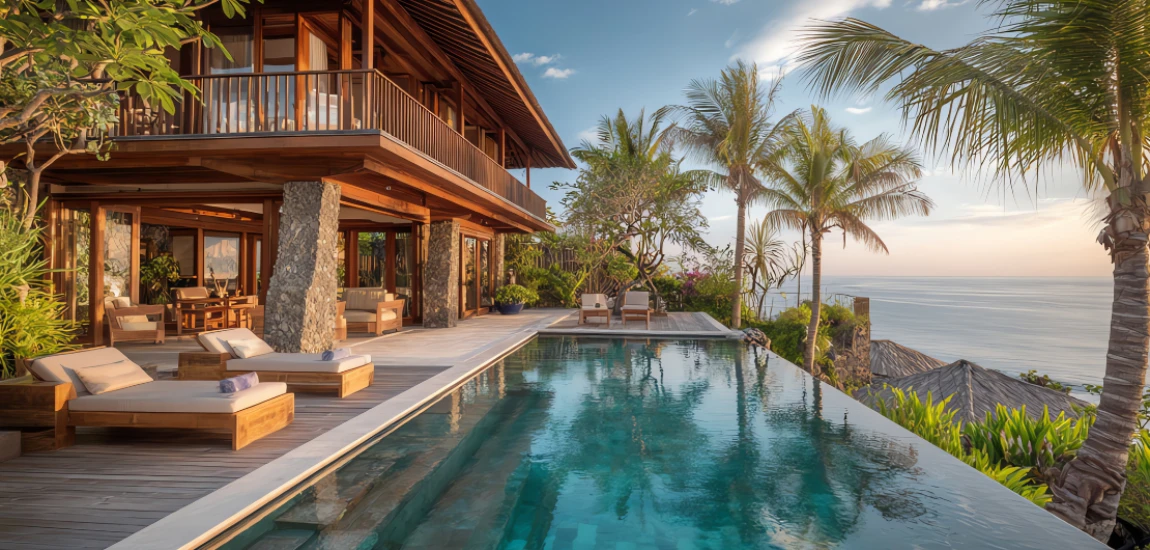
For decades, luxury travel was defined by abundance—more amenities, more staff, more visual drama, more exclusivity on display. Grand lobbies, opulent décor, packed itineraries, and constant stimulation were meant to signal value. Yet for a growing segment of travelers, this version of luxury now feels dated, performative, and emotionally exhausting. In its place, a quieter, more restrained philosophy is emerging: low-stimulus luxury travel.
Low-stimulus luxury travel prioritizes silence over spectacle, space over density, and simplicity over excess. It recognizes that the modern elite is not starved for access or excitement—they are starved for peace. In a world of constant notifications, crowded cities, and relentless visibility, the ability to experience calm, privacy, and emotional clarity has become the ultimate status symbol.
This shift reflects a broader cultural change in how success and wealth are expressed. True luxury is no longer about being seen everywhere; it’s about choosing where—and how—to disappear. Low-stimulus luxury travel doesn’t shout its value. It whispers it, offering environments that feel emotionally safe, cognitively light, and deeply restorative.
The Redefinition of Luxury in a Burnout Economy

From Excess to Restraint
Traditional luxury relied on sensory overload to justify cost. Marble, chandeliers, dramatic lighting, and constant service created an atmosphere of importance. Low-stimulus luxury travel challenges this by removing what is unnecessary. The absence of noise, clutter, and visual chaos becomes the feature, not the flaw.
Burnout as a Status Equalizer
Burnout does not discriminate by income. High-achieving individuals often experience greater cognitive and emotional fatigue due to constant decision-making and visibility. Low-stimulus luxury travel responds to this reality by offering environments that demand nothing from the guest—no social performance, no urgency, no overstimulation.
Why Quiet Is Now Rare and Valuable
Silence has become scarce. True quiet—free from traffic, crowds, screens, and artificial sound—requires intentional design and protected space. As a result, silence itself has become a luxury commodity. Destinations that can reliably offer it are redefining what high-end travel means.
Silence as the Ultimate Luxury Amenity

Designing for Acoustic Calm
Low-stimulus luxury travel places immense value on sound design. This includes architectural soundproofing, distance between accommodations, natural sound buffers, and policies that discourage noise. Silence is not accidental; it is engineered and protected.
Emotional Effects of Quiet Environments
Silence allows the nervous system to downshift. In quiet environments, stress hormones decrease, focus improves, and emotional regulation becomes effortless. This is why guests often describe low-stimulus luxury destinations as transformative—even when “nothing happens.”
Privacy Without Isolation
Silence in luxury travel does not mean loneliness. Instead, it creates space for meaningful connection—whether with oneself, a partner, or nature. Interactions feel intentional rather than imposed, restoring a sense of agency often lost in overstimulating environments.
Space as a Marker of True Exclusivity

Fewer Guests, Greater Value
Low-stimulus luxury destinations intentionally limit capacity. Fewer rooms, wider layouts, and expansive private spaces ensure that guests never feel crowded. This scarcity is not about elitism—it’s about protecting the emotional experience.
Physical Space and Psychological Ease
Wide pathways, open landscapes, and uncluttered interiors reduce cognitive load. When the body has room to move, the mind follows. Spaciousness signals safety, autonomy, and unhurried time—qualities that overstimulated travelers deeply crave.
The Luxury of Not Competing
In crowded luxury resorts, guests often compete for attention, views, or reservations. Low-stimulus luxury removes this dynamic entirely. There is always enough space, enough time, and enough quiet—eliminating the subtle stress of scarcity.
Simplicity as a High-End Design Philosophy

Minimalism Without Austerity
Low-stimulus luxury travel embraces simplicity without feeling cold or clinical. Natural materials, soft textures, neutral palettes, and organic forms create warmth without visual noise. Every element has a purpose; nothing is decorative for its own sake.
Fewer Choices, Better Experiences
Luxury has long equated choice with value, but excessive options create decision fatigue. Low-stimulus luxury curates experiences carefully, offering fewer but higher-quality choices. This allows guests to relax into trust rather than constant evaluation.
Time as the Most Precious Resource
Simplicity extends to scheduling. There is no pressure to optimize time or maximize activity. Guests are free from rigid itineraries, allowing days to unfold naturally. In this context, unstructured time becomes the most luxurious offering of all.
Who Low-Stimulus Luxury Travel Is Really For

High-Performing, Emotionally Aware Travelers
Executives, creatives, entrepreneurs, and leaders are driving demand for low-stimulus luxury travel. These travelers are not seeking novelty—they are seeking nervous-system recovery and emotional clarity.
Travelers Who Value Privacy Over Visibility
Low-stimulus luxury appeals to those who no longer need external validation. These guests value anonymity, discretion, and the ability to exist without observation. The absence of spectacle becomes a form of empowerment.
The Rise of Emotionally Intelligent Wealth
As emotional intelligence becomes a marker of maturity, luxury preferences are shifting accordingly. Low-stimulus luxury travel reflects a deeper understanding of wellbeing, self-regulation, and long-term sustainability of success.


Gary Arndt operates "Everything Everywhere," a blog focusing on worldwide travel. An award-winning photographer, Gary shares stunning visuals alongside his travel tales.
Gary Arndt
Prev Post

Next Post