
Local Tourism Supply Networks – Connecting Visitors With Locally Owned Services
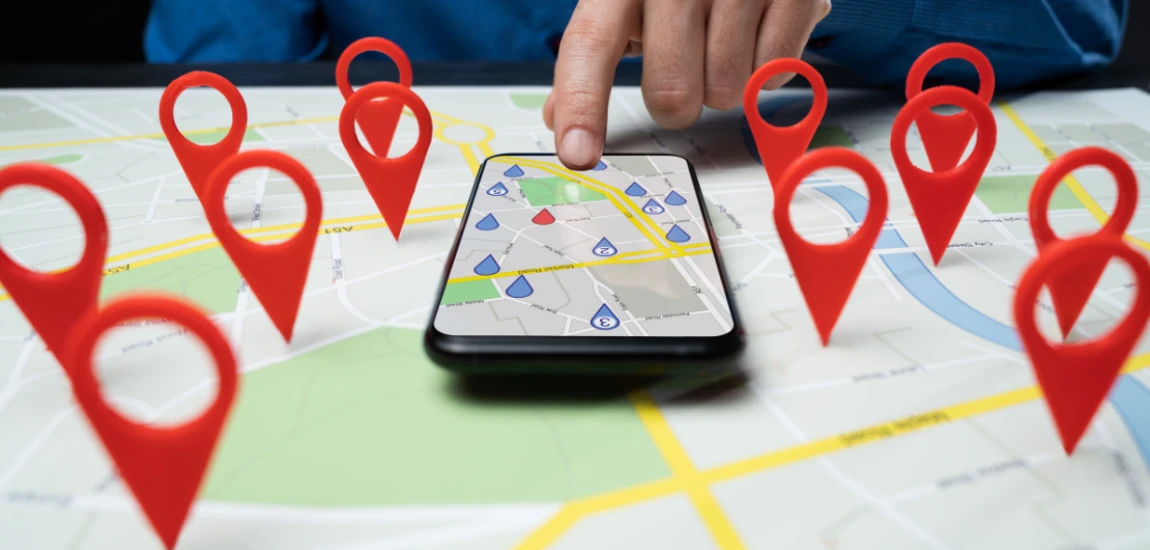
Tourism creates economic opportunities for destinations, but the benefits of visitor spending do not always remain within the local economy. Travelers may stay in large hotel chains, use international booking platforms, purchase products from global companies, and participate in experiences operated by businesses based outside the destination. While these activities still create some local employment and economic value, a significant portion of tourism revenue can leave the community.
Local tourism supply networks provide a way to strengthen the connection between visitors and locally owned businesses. These networks bring together accommodation providers, restaurants, farmers, artisans, transportation operators, tour guides, cultural organizations, activity providers, and other local services to create a stronger tourism ecosystem.
The concept is simple: when visitors spend money locally, more of that money can circulate within the community. A traveler who stays at a locally owned guesthouse, eats at a family-run restaurant, purchases locally made crafts, hires a local guide, and visits a community-managed attraction contributes to several parts of the local economy.
Local tourism supply networks are not only about promoting individual businesses. They are about creating connections between businesses so that one tourism activity supports another.
For example, a local hotel can purchase food from nearby farmers, recommend local restaurants, hire local guides, and promote community attractions. The visitor's spending then supports multiple local businesses rather than flowing primarily to one external company.
Strong local supply networks can improve sustainable tourism, community-based tourism, local economic development, responsible travel, and destination resilience. They can also create more authentic experiences for visitors because travelers have greater opportunities to interact with local people, culture, food, traditions, and businesses.
Understanding Local Tourism Supply Networks

What a Local Tourism Supply Network Means
A local tourism supply network is a connected system of locally owned businesses, organizations, workers, producers, and service providers that contribute to the visitor economy.
The network may include hotels, guesthouses, restaurants, cafés, transportation providers, farmers, food producers, craft makers, tour operators, museums, cultural centers, event organizers, guides, wellness providers, and entertainment businesses.
Each participant can provide value to visitors while also creating opportunities for other local businesses.
For example, a local hotel can purchase vegetables from nearby farmers and recommend a local tour company to guests. The tour company may use a locally owned transportation provider. Visitors may then eat at a nearby restaurant after completing their tour.
This creates a chain of local economic activity.
Why Local Connections Matter
Tourism spending has a stronger local impact when businesses purchase products and services from other businesses within the destination.
This is sometimes described through the concept of the local tourism multiplier effect. Money spent by visitors can move from one local business to another, creating additional income and employment.
Strong local connections can therefore make the tourism economy more resilient.
If businesses depend heavily on imported products and external suppliers, a smaller portion of tourism spending may remain in the destination.
Building local supply networks helps strengthen economic relationships within communities.
Moving From Individual Businesses to Networks
A destination does not need to wait for one large tourism company to create economic opportunities.
Local businesses can work together through associations, cooperatives, partnerships, business directories, tourism marketplaces, and destination management programs.
Networking allows smaller businesses to combine their strengths.
A guesthouse may have accommodation but no tour service. A local guide may have excellent knowledge but limited marketing resources. A farmer may produce high-quality food but have difficulty reaching visitors.
A connected tourism network can bring these businesses together.
Connecting Visitors With Local Businesses

Making Local Businesses Easier to Find
One of the biggest challenges for small tourism businesses is visibility. Travelers may find large hotels and international tourism companies easily online, while smaller local businesses may have limited digital marketing resources.
Destination websites and tourism platforms can help by creating dedicated directories for locally owned services.
Travelers can be given information about local accommodation, restaurants, guides, transportation providers, craft markets, cultural activities, and community experiences.
Clear information about ownership and local involvement can help visitors make informed choices.
Creating Local Tourism Marketplaces
Digital tourism marketplaces can connect visitors directly with local service providers.
Travelers can use these platforms to discover local tours, workshops, food experiences, transportation services, cultural activities, and accommodation.
Such platforms can make it easier for small businesses to participate in tourism without needing large marketing budgets.
However, local tourism marketplaces should be designed carefully. Fair commission structures, transparent pricing, easy booking systems, and accessible technology can help ensure that local businesses actually benefit.
Developing Authentic Visitor Experiences
Visitors increasingly seek experiences that feel personal and connected to the destination.
Local tourism supply networks can create opportunities for travelers to meet local people and participate in everyday community activities.
Examples include cooking classes, craft workshops, farm visits, neighborhood walking tours, cultural storytelling, traditional food experiences, local markets, and community festivals.
These experiences can provide visitors with deeper connections while creating additional income for local residents.
Authenticity should remain important. Local culture should not be presented as a product without community involvement or respect.
Strengthening Local Economic Benefits

Keeping More Tourism Income Local
The primary economic advantage of local tourism supply networks is that they can keep a larger share of tourism spending within the destination.
When visitors spend money with locally owned businesses, that revenue can support local employees, suppliers, producers, families, and community organizations.
For example, a locally owned restaurant may purchase vegetables from a nearby farmer, bread from a local bakery, and furniture from a local craftsman.
One tourist transaction can therefore create benefits across several businesses.
This local circulation of money strengthens the overall tourism economy.
Supporting Small and Medium-Sized Enterprises
Small and medium-sized enterprises are often essential to destination identity.
They provide distinctive food, crafts, tours, accommodation, entertainment, and cultural experiences that large companies may not be able to replicate.
However, smaller businesses can face challenges related to financing, technology, marketing, staffing, and market access.
Local tourism networks can help overcome these challenges by encouraging collaboration.
Businesses can share promotional opportunities, participate in joint packages, attend training programs, and coordinate services.
Creating Better Employment Opportunities
Local tourism networks can create employment opportunities for residents.
When tourism businesses source products and services locally, more jobs can be created within the community.
Training programs can prepare residents for careers in hospitality, guiding, culinary tourism, transportation, digital marketing, cultural tourism, and environmental management.
Quality employment should remain a central objective.
Tourism development should provide opportunities for skill development, fair wages, stable employment, and career progression rather than relying entirely on low-paid seasonal work.
Building Strong Partnerships Across the Tourism Supply Chain

Connecting Hotels With Local Producers
Accommodation businesses can become important anchors within local tourism supply networks.
Hotels and guesthouses can purchase food from local farmers, decorations from local artisans, cleaning services from local companies, and transportation from local operators.
They can also promote nearby businesses to their guests.
This creates a stronger connection between accommodation and the wider community.
Local sourcing can also improve the visitor experience because travelers may enjoy fresh regional food and locally made products.
Linking Restaurants, Farmers, and Food Producers
Food tourism provides significant opportunities for local supply networks.
Restaurants can work with local farmers, fishermen, bakers, cheese producers, spice makers, and other food suppliers.
Menus can highlight local ingredients and explain their origins.
Food festivals and culinary tours can connect visitors directly with producers.
This creates additional revenue opportunities while showcasing the destination's food identity.
Local food networks can also support agricultural communities and encourage the preservation of traditional culinary practices.
Connecting Guides With Cultural and Natural Attractions
Local guides often have knowledge that visitors cannot easily obtain from generic travel resources.
Guides can collaborate with museums, cultural centers, protected areas, artisans, restaurants, and transportation providers to create complete visitor experiences.
A local guide might organize a walking tour that includes historical sites, a traditional food stop, a craft workshop, and a locally owned restaurant.
This approach turns separate tourism businesses into a connected experience.


Shivya Nath authors "The Shooting Star," a blog that covers responsible and off-the-beaten-path travel. She writes about sustainable tourism and community-based experiences.
Shivya Nath

Prev Post

Next Post