
Intelligent Tourism Workforce Forecasting and Skills Development Systems: Preparing for the Future of Travel
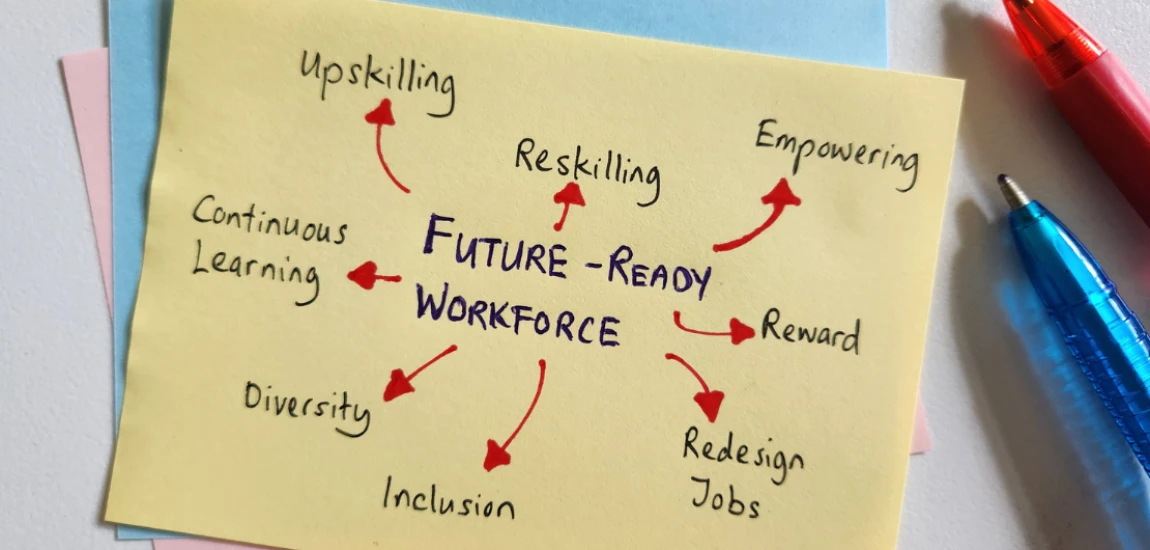
The tourism industry depends on skilled, adaptable, and customer-focused employees to deliver memorable travel experiences. Hotels, restaurants, travel agencies, tour operators, transportation providers, and destination management organizations all require the right people in the right roles at the right time. However, changing visitor demand, seasonal fluctuations, digital transformation, and evolving traveler expectations make workforce planning increasingly complex.
Intelligent Tourism Workforce Forecasting and Skills Development Systems help tourism organizations anticipate staffing requirements, identify emerging skill gaps, and prepare employees for future industry demands. By combining workforce analytics, artificial intelligence, booking trends, employee performance data, and training programs, businesses can make more informed decisions about recruitment and professional development.
For example, a hotel can forecast staffing requirements during peak holiday periods, while a tour operator can identify the need for multilingual guides or employees trained in digital booking systems. Similarly, destination managers can prepare workers for sustainable tourism practices, accessible travel services, and changing customer expectations.
These systems are not simply about reducing labor costs. They also support employee wellbeing, improve service quality, create career opportunities, and strengthen the long-term competitiveness of tourism destinations.
Understanding Intelligent Tourism Workforce Forecasting

Predicting Future Staffing Requirements
Tourism demand changes throughout the year. Hotels may experience higher occupancy during holidays, tour operators may need additional guides during festival periods, and transportation providers may require more drivers during major events.
Traditional workforce planning often relies on previous experience and basic seasonal estimates. Although these methods can be useful, they may not account for sudden booking changes, weather disruptions, new attractions, or shifts in traveler preferences.
Intelligent tourism workforce forecasting combines historical staffing records, booking information, occupancy rates, event calendars, and visitor demand trends to estimate future labor requirements. Businesses can use these insights to determine how many employees they need, which roles require additional support, and when recruitment should begin.
Accurate forecasting helps organizations avoid both understaffing and unnecessary labor expenses.
Connecting Workforce Planning With Visitor Demand
Workforce requirements should reflect the services travelers actually need. A destination attracting more international visitors may require additional language specialists, while a wellness resort may need employees trained in personalized guest services.
By connecting visitor profiles and booking trends with staffing data, tourism managers can plan for the types of skills and roles most likely to be needed.
For instance, a tour operator offering more adventure experiences may need additional safety-trained guides rather than simply increasing its total employee count. This approach helps businesses recruit strategically and prepare the right employees for specific responsibilities.
Improving Decisions Through Workforce Intelligence
Workforce intelligence transforms employee and operational data into practical planning insights. Managers can identify recurring staffing shortages, compare workloads between departments, and assess whether training programs are improving performance.
These insights should support, rather than replace, human judgment. Employee feedback, local knowledge, labor regulations, and individual circumstances remain important when making staffing decisions.
When implemented responsibly, intelligent workforce forecasting creates a more organized, flexible, and reliable tourism workforce.
Using Data and Artificial Intelligence for Workforce Planning

Combining Multiple Data Sources
Effective workforce forecasting depends on reliable information from different parts of a tourism business. Useful data sources include hotel reservations, tour bookings, restaurant demand, employee schedules, seasonal visitor arrivals, local events, and historical staffing levels.
Combining these sources can reveal patterns that managers might otherwise overlook. For example, a destination may experience increased demand for airport transfers several hours before hotel check-in peaks. Transportation businesses can use this relationship to schedule drivers more effectively.
Data should be accurate, relevant, and regularly updated. Poor-quality information can lead to incorrect forecasts, causing businesses to schedule too few employees or invest in unnecessary recruitment.
Applying Predictive Analytics and AI
Predictive analytics uses historical information and current trends to estimate future staffing needs. Artificial intelligence can help identify complex relationships among demand, operating conditions, and workforce availability.
A hotel might use forecasting software to estimate housekeeping requirements based on expected room occupancy and check-out schedules. A travel agency could predict when customer service demand will increase due to a promotional campaign or holiday booking period.
These tools can also compare different planning scenarios, helping managers prepare for unexpectedly high demand or sudden cancellations.
However, predictions are estimates rather than guarantees. Businesses should regularly compare forecasts with actual staffing requirements and adjust their models when conditions change.
Protecting Employee Data and Maintaining Fairness
Workforce intelligence systems may process sensitive information about schedules, performance, attendance, and professional development. Organizations should establish clear rules about data collection, access, storage, and use.
Employees should understand how workforce data supports planning and what information managers can access. Businesses should also check automated recommendations for unfair patterns that could disadvantage particular groups or repeatedly assign undesirable shifts to certain workers.
Responsible technology combines accurate forecasting with transparency, privacy protection, and fair employment practices.
Identifying Future Tourism Skills Gaps

Recognizing Digital Skills Requirements
Tourism businesses increasingly depend on digital reservation platforms, customer relationship management systems, online payments, data analytics, and automated service tools.
Employees may need to manage digital check-ins, update online listings, respond to customer inquiries across multiple channels, or interpret booking reports. As these systems become more common, workers who lack digital confidence may require additional training.
Skills assessments can help businesses identify employees who need support and determine which digital competencies should be included in recruitment and development plans.
Training does not always require advanced technical knowledge. Basic digital literacy, cybersecurity awareness, online communication, and familiarity with workplace software can significantly improve operational performance.
Developing Human-Centered Service Skills
Technology can automate routine tasks, but tourism continues to depend on human interaction. Communication, empathy, problem-solving, cultural awareness, and conflict resolution remain essential for delivering excellent visitor experiences.
Travelers may need assistance when bookings change, transport is disrupted, or accessibility requirements are not met. Employees must be able to respond calmly, explain available options, and provide appropriate support.
Workforce development programs should therefore balance technical training with interpersonal skills. Role-playing exercises, customer feedback reviews, mentoring, and practical simulations can help employees strengthen these abilities.
Preparing for Sustainability and Accessibility
Growing attention to responsible tourism creates additional skill requirements. Employees may need to understand waste reduction, energy conservation, local cultural protocols, wildlife protection, and responsible visitor behavior.
Accessibility training is equally important. Tourism workers should know how to communicate respectfully with travelers with disabilities, explain available facilities accurately, and support different mobility, sensory, and communication needs.
Businesses can conduct regular skills audits to compare current employee capabilities with future operational requirements. The results can guide recruitment, training budgets, and career development priorities.


Derek Baron, also known as "Wandering Earl," offers an authentic look at long-term travel. His blog contains travel stories, tips, and the realities of a nomadic lifestyle.
Derek Baron

Prev Post

Next Post