
Immersive Cultural Tourism: How Extended-Reality Experiences Could Connect Travelers With Living Traditions and Local Communities
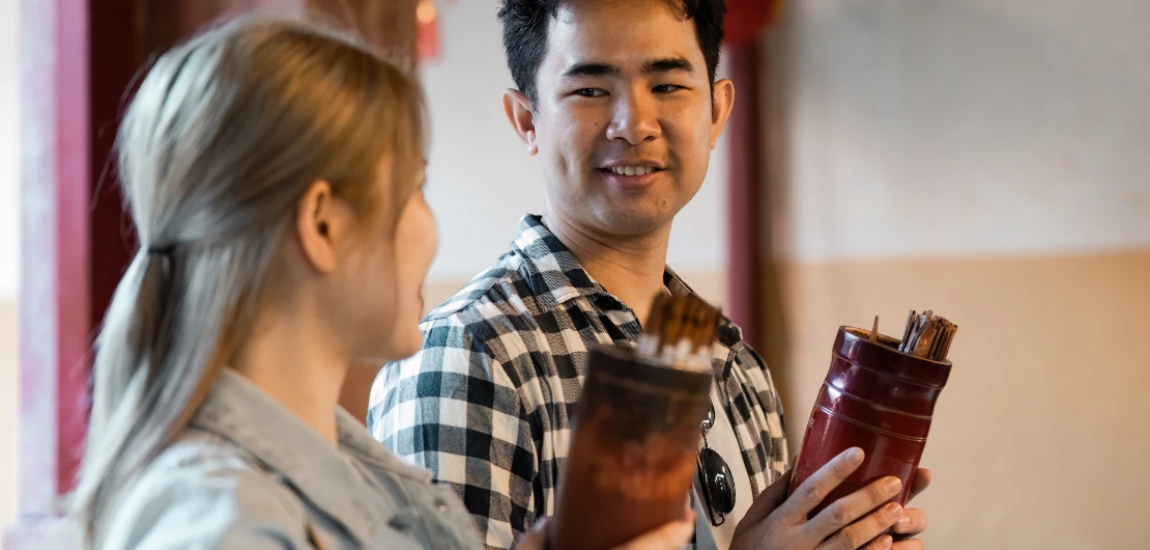
Travel has always been more than moving from one destination to another. For many travelers, the most memorable experiences come from understanding how people live, celebrate, create, cook, work, tell stories, and preserve traditions.
Cultural tourism has traditionally provided these opportunities through museums, historic sites, festivals, guided tours, workshops, performances, and community-based experiences. However, emerging technologies could create entirely new ways for visitors to interact with cultural heritage and local communities.
Immersive cultural tourism combines cultural travel with extended reality, including virtual reality, augmented reality, mixed reality, spatial computing, immersive audio, and interactive digital storytelling. These technologies can add layers of information and experience to physical destinations without necessarily replacing real-world interaction.
Imagine walking through an historic neighborhood while augmented reality reveals stories connected to the buildings around you. A visitor could explore an archaeological site while seeing a reconstruction of how it may have looked centuries ago. Travelers could learn traditional crafts through immersive demonstrations before meeting local artisans in person.
The most exciting opportunity is not simply making tourism more technologically advanced. It is using technology to create deeper connections between travelers and living cultures.
Cultural heritage is not frozen in the past. It exists through people, communities, languages, crafts, food, music, ceremonies, and everyday practices. Immersive technology can help visitors understand these living traditions while giving communities new ways to share their stories.
When developed responsibly, extended reality could make cultural tourism more accessible, educational, interactive, and meaningful while supporting local economies and cultural preservation.
Understanding the Rise of Immersive Cultural Tourism

From Sightseeing to Cultural Participation
Traditional sightseeing often places travelers in the role of observers. They look at monuments, take photographs, read information panels, and move to the next attraction.
Immersive cultural tourism can change this relationship.
Instead of simply looking at an artifact, travelers could interact with its story. Instead of reading about an old neighborhood, they could experience layers of historical information while walking through it. Instead of watching a craft demonstration passively, they could use immersive technology to understand the techniques involved.
This creates a more participatory model of cultural travel.
Technology can help visitors understand context, relationships, and stories that may not be immediately visible.
What Extended Reality Adds to Travel
Extended reality includes several technologies that can enhance cultural experiences.
Virtual reality can transport users into reconstructed historical environments. Augmented reality can overlay digital information onto physical places. Mixed reality can combine digital objects with real-world environments.
Immersive audio can also create powerful cultural experiences by connecting locations with oral histories, music, languages, and personal stories.
These technologies can make cultural information more accessible without requiring visitors to spend hours reading traditional explanations.
Keeping Human Connection at the Center
Technology should not become the main attraction.
The strongest immersive cultural experiences should lead travelers toward greater interest in real communities and living traditions.
An AR experience might introduce a local craft before the traveler visits an artisan's workshop. A virtual historical reconstruction could encourage visitors to explore the actual neighborhood and speak with local guides.
Technology becomes valuable when it strengthens cultural connection rather than replacing it.
Connecting Travelers With Living Traditions

Bringing Cultural Stories to Life
Many cultural traditions are difficult to understand through static displays.
Extended reality can provide context by showing how traditions developed, how objects were used, and why particular practices remain important.
For example, an immersive experience could explain the history of a traditional textile while allowing visitors to observe the techniques used to produce it.
This can make cultural education more engaging and memorable.
Supporting Local Storytelling
Local communities should play a central role in deciding which stories are told and how they are presented.
Rather than allowing technology companies to create cultural experiences independently, tourism organizations can collaborate directly with local historians, artists, elders, craftspeople, storytellers, and community groups.
This approach helps ensure that digital representations reflect local perspectives.
It can also create opportunities for community members to earn income from their knowledge and creative work.
Preserving Languages and Oral Traditions
Immersive technology can also help preserve cultural knowledge that is traditionally passed from generation to generation through speech.
Local languages, songs, stories, interviews, and oral histories can be incorporated into immersive experiences.
Travelers could hear authentic voices connected to specific places rather than relying exclusively on generic translations.
This can help make cultural tourism more personal while supporting documentation and preservation.
Using AR and VR to Transform Cultural Destinations

Augmented Reality in Historic Places
Augmented reality can add digital information to physical locations.
A traveler standing near an old building could use a smartphone or AR glasses to see historical photographs, reconstructed architecture, stories, or interactive information.
This can transform an ordinary walking tour into a layered cultural experience.
AR can also help travelers understand how neighborhoods changed over time.
Virtual Reality for Lost Heritage
Some cultural sites have been damaged, destroyed, or become inaccessible.
Virtual reality can help reconstruct elements of heritage that visitors can no longer experience physically.
A VR experience could recreate historical buildings, landscapes, ceremonies, or environments using available research and community knowledge.
However, digital reconstructions should clearly distinguish historical evidence from interpretation.
This protects cultural credibility.
Mixed Reality and Interactive Experiences
Mixed reality can allow digital cultural objects to appear within real environments.
Travelers might interact with historical artifacts, traditional tools, artistic elements, or reconstructed scenes while remaining physically present at a destination.
This can create educational experiences for families, students, and visitors who prefer interactive learning.
The technology can also make cultural destinations more engaging for younger audiences.
Creating Economic Opportunities for Local Communities

New Revenue Streams
Immersive cultural tourism can create new economic opportunities for communities.
Local artists, historians, guides, musicians, designers, craftspeople, and cultural organizations can participate in creating digital experiences.
They can contribute stories, demonstrations, artwork, performances, voice recordings, and educational content.
These contributions can become part of paid tourism experiences, creating additional income streams.
Supporting Community-Based Tourism
Extended reality can strengthen community-based tourism by helping travelers discover locally operated experiences.
A visitor might use an immersive platform to learn about a village's cultural traditions before booking a locally guided experience.
This creates a pathway from digital discovery to real-world participation.
The goal should be to use technology as a bridge to community tourism rather than as a replacement for visiting communities.
Expanding Visibility for Lesser-Known Destinations
Immersive storytelling can also introduce travelers to destinations that receive less international attention.
A small community can create a digital cultural experience that reaches potential visitors around the world.
This can help diversify tourism demand.
However, increased visibility should be managed carefully so that communities do not experience sudden overcrowding or cultural commodification.


Ben Schlappig runs "One Mile at a Time," focusing on aviation and frequent flying. He offers insights on maximizing travel points, airline reviews, and industry news.
Ben Schlappig

Prev Post
Next Post