
Immersive Cultural Experience Networks – Connecting Travelers with Local Traditions Through Digital Experiences
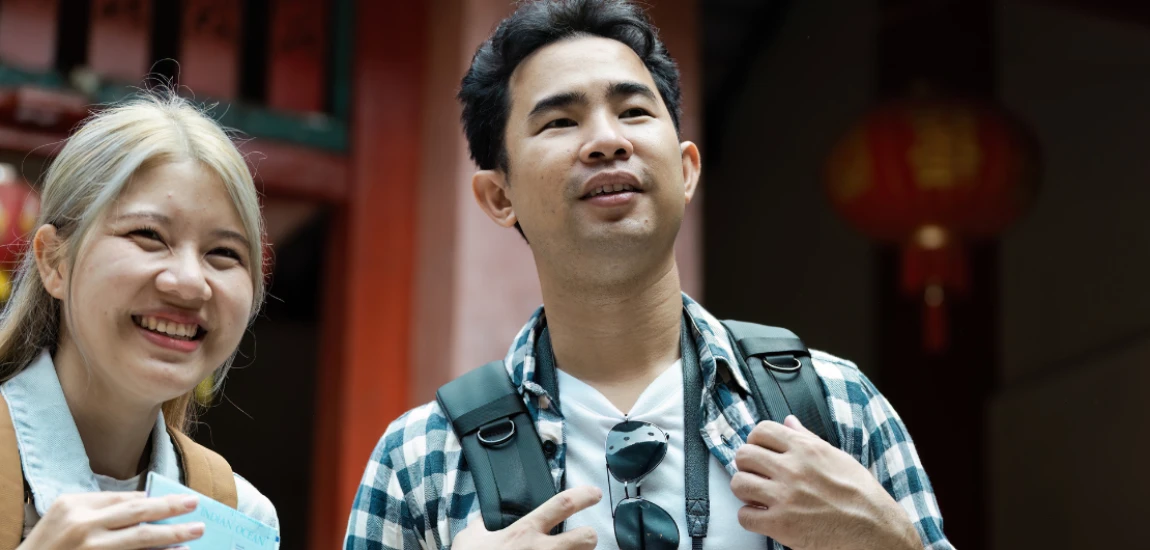
Travel is more than visiting famous landmarks or taking photographs. Many travelers want to understand the traditions, stories, food, art, music, and everyday lifestyles that make each destination unique. However, traditional tourism experiences do not always provide meaningful opportunities to connect with local communities. Language barriers, limited access to cultural sites, seasonal events, and a lack of reliable information can prevent visitors from experiencing a destination's cultural richness.
Immersive Cultural Experience Networks offer a modern approach to cultural tourism by connecting travelers with local traditions through digital platforms, interactive storytelling, virtual reality (VR), augmented reality (AR), and community-led experiences. These networks bring together travelers, cultural organizations, local artists, craftspeople, historians, and tourism businesses to make cultural knowledge more accessible.
For example, travelers can explore a historic building through a virtual tour, learn traditional cooking techniques from local chefs, or use an augmented reality application to discover the stories behind historic streets. Digital platforms can also help visitors find workshops, cultural festivals, traditional performances, and locally guided experiences.
When designed responsibly, these networks do more than improve convenience. They can support cultural preservation, create new income opportunities for local communities, and encourage respectful engagement with heritage.
Understanding Immersive Cultural Experience Networks

Immersive cultural experience networks are interconnected digital systems that help travelers discover, understand, and participate in local cultural experiences. They combine technology, cultural information, tourism services, and community participation to create deeper connections between visitors and destinations.
Unlike conventional tourism websites that mainly provide accommodation details and attraction listings, immersive networks focus on cultural interaction. They may include interactive maps, digital exhibitions, virtual experiences, storytelling platforms, artisan marketplaces, and booking services for community-led activities.
These networks can operate before, during, and after a trip, allowing travelers to continue learning about a destination beyond a physical visit.
Connecting Travelers with Local Traditions
Digital cultural platforms can introduce travelers to traditional music, regional food, craft-making, folklore, festivals, architecture, and local languages.
For example, a traveler planning a visit to a historic town could explore a digital guide featuring local craftspeople, traditional markets, and heritage walking routes. The traveler might then book a pottery workshop or attend a storytelling session hosted by a community member.
These experiences help visitors understand the meaning behind cultural practices rather than simply observing them.
Local participation is essential. Community members should help decide how their traditions are presented, which stories can be shared, and how cultural experiences are delivered.
Creating a Connected Cultural Tourism Ecosystem
An immersive cultural network can connect museums, heritage organizations, tourism operators, independent guides, local artists, and community groups through one accessible platform.
This makes it easier for travelers to discover experiences that might otherwise receive little attention.
For example, a platform could connect a museum visit with a nearby artisan workshop, a traditional food experience, and a local cultural festival. Such connections encourage travelers to explore beyond major attractions and help distribute tourism spending across more businesses.
The strongest networks combine digital discovery with genuine human interaction. Technology should make local culture easier to understand and access, while communities retain control over their cultural knowledge and representation.
Using Virtual Reality and Augmented Reality for Cultural Discovery

Virtual reality and augmented reality are transforming how travelers explore cultural destinations. These technologies create interactive experiences that help visitors understand historical environments, traditional practices, and cultural stories in engaging ways.
Virtual reality can simulate places or experiences that may be difficult to access physically, while augmented reality adds digital information to the real-world environment through compatible devices.
Exploring Heritage Through Virtual Reality
Virtual reality allows users to explore digital recreations of historic buildings, archaeological sites, museums, and traditional settlements.
A traveler might take a virtual tour of an ancient monument before visiting it in person. The experience could explain architectural features, historical events, and the daily lives of people who once lived there.
VR can also support people who cannot travel because of financial, physical, or geographical barriers.
For heritage sites that are fragile or restricted, carefully developed virtual experiences can provide educational access without increasing physical pressure on sensitive locations.
However, digital recreations should distinguish verified historical information from artistic interpretation. They should also be developed with relevant historians and cultural communities to avoid inaccurate or misleading representations.
Discovering Stories Through Augmented Reality
Augmented reality can overlay cultural information onto real-world surroundings. Travelers using a compatible smartphone or device might point it toward a historic building and view information about its architecture, previous uses, or cultural significance.
At a traditional marketplace, AR could explain the origins of regional textiles, the meaning of decorative patterns, or the history of local trading practices.
Interactive storytelling can make these experiences more memorable by combining images, audio, animation, and short educational activities.
To remain useful, AR applications should offer accurate information, accessible interfaces, and alternatives for visitors without compatible devices or reliable internet access.
When used thoughtfully, VR and AR can transform cultural sightseeing into a richer learning experience while encouraging travelers to appreciate the heritage they encounter.
Preserving Cultural Heritage Through Digital Storytelling

Cultural heritage includes more than historic monuments and museum collections. It also encompasses oral histories, traditional songs, recipes, languages, craft techniques, ceremonies, and community knowledge passed from one generation to another.
Immersive cultural experience networks can help preserve and communicate these traditions by creating digital spaces where cultural stories can be recorded, explored, and shared responsibly.
Recording Local Stories and Traditional Knowledge
Digital storytelling platforms can feature interviews with elders, artisans, performers, historians, and community leaders.
For example, a traditional craftsperson could demonstrate how a regional textile is produced while explaining the meaning of its patterns and materials. A local storyteller could record an oral history describing how a festival developed over time.
These resources allow travelers to learn directly from people who understand the cultural significance of a tradition.
They can also support educational programs and help younger generations access knowledge that might otherwise become less widely shared.
However, recording a tradition does not automatically mean it should be made publicly available. Some knowledge may be sacred, private, restricted, or unsuitable for commercial use. Communities should determine what can be recorded, how it is presented, and who may access it.
Making Cultural Learning Interactive
Digital storytelling becomes more engaging when travelers can explore information according to their interests.
Interactive timelines, audio guides, digital archives, maps, and short video demonstrations can help visitors understand the connections between historical events, cultural practices, and modern community life.
A traveler exploring a historic district, for instance, could listen to residents describe changes in local architecture while comparing historical photographs with present-day views.
These experiences make cultural learning more personal and contextual.
Digital preservation should complement, rather than replace, living cultural practices. Supporting local festivals, visiting workshops, purchasing authentic crafts, and participating in community-led activities can help keep traditions active.
By combining respectful storytelling with real-world participation, immersive cultural networks can help preserve heritage while making it meaningful for contemporary travelers.


Shivya Nath authors "The Shooting Star," a blog that covers responsible and off-the-beaten-path travel. She writes about sustainable tourism and community-based experiences.
Shivya Nath

Prev Post

Next Post