
Hidden-Season Travel: Why Off-Peak Journeys Can Be Better Than Peak-Season Holidays
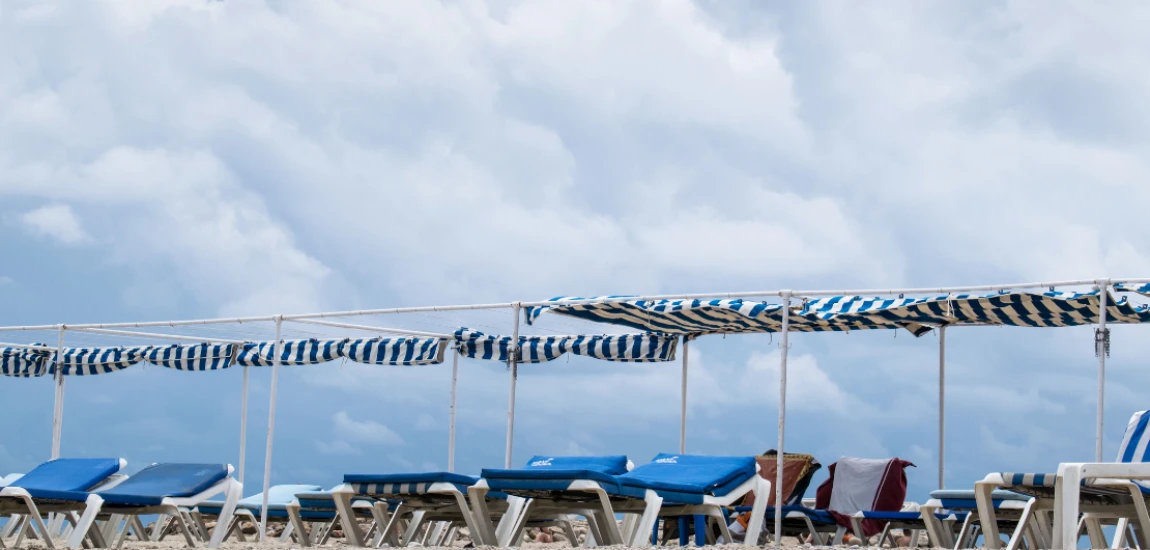
Travelers have traditionally been taught to visit destinations during their most popular seasons. Summer means European city breaks and beach vacations, winter means ski resorts and festive markets, while school holidays often determine when families travel. Yet the idea that the busiest season automatically delivers the best experience is increasingly being questioned.
Hidden-season travel offers a different approach. Instead of following the crowds, travelers choose periods just before or after peak season, when destinations can still provide many of the experiences visitors want without the intensity of high-season tourism. These periods can include shoulder seasons, quieter months, early spring, late autumn, or other less popular travel windows.
Off-peak travel can offer meaningful advantages. Popular attractions may be less crowded, accommodation can sometimes be more accessible, restaurants may be easier to book, and travelers can explore at a slower pace. The atmosphere of a destination may also feel more connected to everyday local life rather than being dominated by tourism.
Hidden-season travel is not simply about finding cheaper flights or hotels. It is about changing the way we define a successful vacation. Instead of maximizing the number of attractions visited, travelers can focus on comfort, atmosphere, flexibility, cultural experiences, and meaningful discovery.
Why Hidden-Season Travel Is Becoming More Popular

Moving Beyond Traditional Travel Calendars
Traditional tourism calendars are often based on predictable assumptions. Travelers are encouraged to visit warm destinations in summer and winter destinations during snowy months. While these periods can provide ideal conditions for certain activities, they can also bring the highest concentration of visitors.
Hidden-season travel challenges this pattern by asking travelers to consider whether the destination might actually be more enjoyable immediately before or after its busiest period.
For example, a coastal destination may still have pleasant weather during late spring or early autumn. A historic city may be easier to explore during a quieter month when visitors are not competing for space at major attractions.
This approach gives travelers more freedom to choose timing based on their priorities rather than simply following conventional tourism schedules.
The Appeal of a Slower Experience
One of the biggest benefits of off-peak travel is pace. Crowded destinations can create a feeling of constant movement. Travelers may wait in lines, navigate congested streets, struggle to find restaurant tables, and rush between attractions.
During quieter periods, the same destination can feel completely different.
A traveler may be able to sit longer at a café, explore a museum without constant crowds, or take photographs without dozens of people surrounding the same viewpoint.
This slower atmosphere can make travel feel more restorative.
Discovering the Destination Beyond Its Tourist Image
Peak-season tourism often creates a highly concentrated version of a destination. Visitors gather around famous landmarks, beaches, resorts, shopping districts, and heavily promoted attractions.
During quieter seasons, travelers may encounter a broader picture of local life. Neighborhood businesses may have more time for customers, local events may feel less commercialized, and everyday routines can become more visible.
Hidden-season travel can therefore create opportunities to experience destinations rather than simply visit their most famous attractions.
Fewer Crowds and More Personal Space

Exploring Famous Attractions Without the Same Pressure
Crowding can significantly affect the travel experience. A beautiful historical site may feel less impressive when visitors are packed tightly together and waiting for their turn to enter.
Off-peak travel can reduce this pressure. While popular attractions may still be busy, visitor numbers are often more manageable outside major holidays and peak periods.
Travelers can spend more time looking, reading, photographing, and appreciating places rather than simply moving through them.
This is particularly valuable for museums, historic districts, cultural sites, national parks, and scenic viewpoints where crowd levels can influence the experience.
Better Opportunities for Spontaneous Exploration
Crowded destinations encourage travelers to follow predetermined routes. When attractions, transportation, and restaurants are busy, there may be little room for improvisation.
Quieter travel periods create more opportunities for spontaneity.
A traveler might notice a small bookstore, enter a neighborhood café, discover a local market, or spend an unexpected afternoon walking through an unfamiliar district.
These unplanned moments often become some of the strongest travel memories because they are not based on a checklist.
More Comfortable Photography and Sightseeing
Photography is another area where off-peak travel can make a major difference. Popular viewpoints and landmarks are much easier to appreciate when there is room to move around.
Travelers can take their time finding interesting perspectives rather than rushing because other visitors are waiting.
For people who enjoy travel photography, quieter seasons can provide opportunities to capture destinations in a more natural and less crowded state.
Saving Money Through Off-Peak Travel

Lower Accommodation Costs
One of the most attractive advantages of off-peak travel is the potential for lower accommodation costs. Hotels, guesthouses, vacation rentals, and resorts often adjust prices according to demand.
When fewer people are traveling, travelers may find more choices within their budget.
Instead of spending heavily on a small room during peak season, someone might be able to afford a more comfortable property during a quieter period.
However, pricing varies by destination, so travelers should compare actual rates rather than assuming every off-season trip will automatically be cheaper.
Better Value Beyond Room Rates
The financial advantages of hidden-season travel can extend beyond accommodation. Travelers may encounter more affordable tours, easier restaurant reservations, and better availability for activities.
Lower demand can also create opportunities to compare more options rather than accepting whatever remains available.
This can make the overall vacation budget more flexible.
Using Savings to Improve the Experience
Travelers can also use off-peak savings strategically. Instead of simply reducing spending, they could redirect some of the money toward meaningful experiences.
Savings might allow travelers to book a local cooking class, stay in a better-located property, take a regional train journey, visit cultural institutions, or extend their trip.
This changes the relationship between budget travel and quality. Lower costs can create opportunities for deeper experiences rather than simply cheaper ones.
More Authentic Cultural Experiences During Quieter Seasons

Connecting With Local Communities
Peak tourist seasons can create a temporary environment where businesses and communities focus heavily on visitors. During quieter periods, travelers may encounter a more balanced relationship between tourism and everyday life.
Local cafés, markets, bookstores, workshops, and neighborhood restaurants can provide opportunities to interact with residents.
Travelers who spend more time in these spaces may gain a better understanding of local routines and culture.
Experiencing Seasonal Traditions
Traveling outside the traditional tourist season does not necessarily mean missing cultural experiences. In some destinations, quieter periods are associated with local festivals, food traditions, harvests, cultural events, or seasonal activities.
These experiences may receive less international attention than major tourist attractions but can provide deeper cultural insight.
Travelers should research local calendars before booking to discover what happens beyond the conventional high season.
Supporting Local Businesses Beyond Peak Periods
Off-peak tourism can also support local businesses when visitor numbers decline.
Restaurants, independent hotels, guides, craft shops, cultural organizations, and activity providers may rely heavily on tourism revenue. Visitors arriving during quieter months can help extend the economic benefits of tourism throughout the year.
Travelers can increase this impact by spending money with locally owned businesses rather than concentrating their spending exclusively within large international chains.


Derek Baron, also known as "Wandering Earl," offers an authentic look at long-term travel. His blog contains travel stories, tips, and the realities of a nomadic lifestyle.
Derek Baron

Prev Post

Next Post