
Hidden Destination Revitalization – Developing Overlooked Places Through Sustainable Tourism
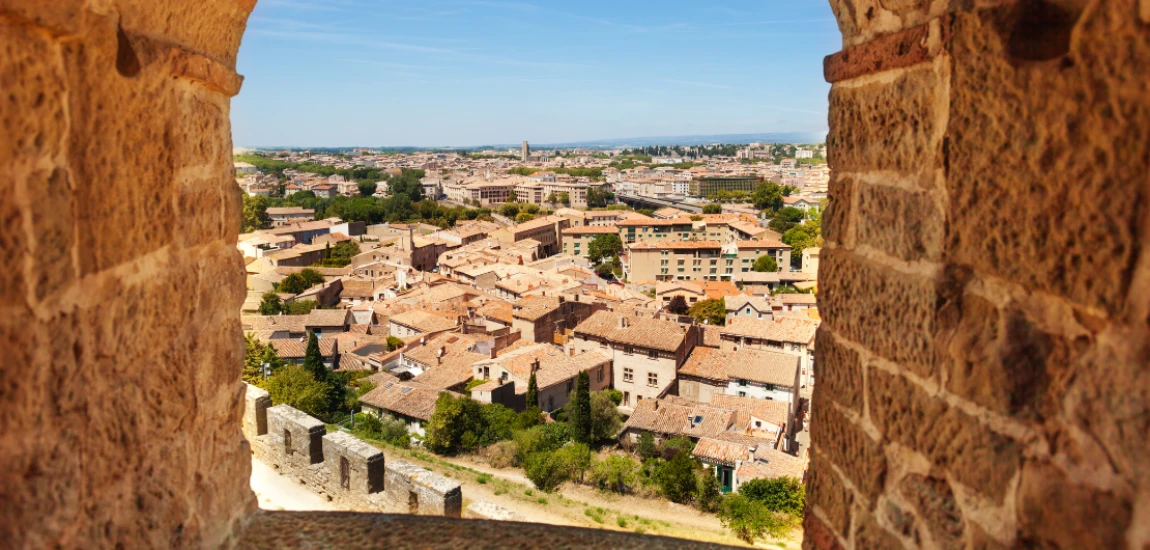
Tourism development is often concentrated around famous cities, iconic landmarks, popular beaches, and well-established attractions. While these destinations can generate significant economic benefits, excessive concentration can also create overcrowding, rising costs, environmental pressure, and reduced quality of life for residents. At the same time, many smaller towns, rural communities, historic neighborhoods, natural areas, and lesser-known cultural destinations remain overlooked despite having valuable tourism assets.
This creates an opportunity for Hidden Destination Revitalization.
Hidden destination revitalization focuses on developing overlooked places through carefully planned and sustainable tourism. Instead of building tourism around mass visitation, the approach identifies existing cultural, natural, historical, and community assets and turns them into meaningful tourism opportunities.
An overlooked destination might have traditional crafts, historic buildings, local food, scenic landscapes, unique architecture, traditional festivals, agricultural activities, or stories that are largely unknown to visitors. With responsible planning, these assets can become the foundation for local tourism development.
However, revitalization should not mean turning every quiet place into a heavily commercialized tourist center. The objective is to create balanced tourism that supports communities while protecting the qualities that make these places special.
When planned correctly, hidden destination revitalization can distribute visitor spending, create local employment, encourage entrepreneurship, protect heritage, and reduce pressure on overcrowded tourism hotspots.
Understanding Hidden Destination Revitalization

What Is Hidden Destination Revitalization?
Hidden Destination Revitalization is the process of developing lesser-known or overlooked places into attractive, sustainable tourism destinations while protecting their cultural, environmental, and community values.
These destinations may not have the visibility of major tourism centers, but they can contain significant tourism potential.
Revitalization can involve improving infrastructure, developing local experiences, restoring heritage buildings, creating walking routes, supporting local businesses, improving digital visibility, and connecting communities with tourism markets.
The goal is to create tourism opportunities without destroying the identity of the destination.
Why Overlooked Places Matter
Tourism concentration can create pressure on popular destinations.
Crowding can affect natural environments, public spaces, transportation systems, local housing, and residents' quality of life.
Developing lesser-known places can provide alternative destinations for travelers who want quieter and more authentic experiences.
This can help distribute tourism demand across a wider geographic area.
At the same time, overlooked communities can gain access to new sources of income and employment.
Revitalization Is More Than Tourism Promotion
Simply advertising an unknown destination is not enough.
If visitors arrive without suitable transportation, accommodation, sanitation, safety systems, or visitor services, tourism growth can create new problems.
Successful revitalization requires coordinated planning.
Infrastructure, environmental protection, community participation, local business development, visitor management, and destination marketing should work together.
Identifying the Unique Assets of Overlooked Destinations

Discovering Cultural and Historical Heritage
Many overlooked destinations have cultural resources that could become the foundation of sustainable tourism.
Historic buildings, traditional architecture, religious heritage, local festivals, traditional clothing, crafts, music, storytelling, and food traditions can create distinctive experiences.
Instead of copying popular destinations, communities can highlight their own identity.
Visitors increasingly seek experiences that feel meaningful and different from standardized tourism products.
Using Natural and Landscape Assets
Nature can also provide opportunities for hidden destination development.
Forests, mountains, rivers, wetlands, agricultural landscapes, coastal areas, lakes, and scenic viewpoints can support hiking, cycling, birdwatching, nature education, photography, wellness, and outdoor recreation.
However, natural tourism development must respect environmental carrying capacity.
Sensitive ecosystems should not be opened to unlimited visitation simply because they have become popular.
Turning Local Knowledge Into Tourism Experiences
Local residents often understand their communities better than external tourism developers.
Farmers, artisans, historians, cooks, artists, guides, and elders can share knowledge that cannot easily be found in conventional tourism brochures.
Community-led walking tours, cooking classes, craft workshops, storytelling sessions, farm visits, and cultural experiences can transform local knowledge into valuable tourism products.
This also allows residents to participate directly in tourism income.
Building Sustainable Tourism Infrastructure

Improving Basic Visitor Facilities
Overlooked destinations often require improvements in basic infrastructure before tourism can grow responsibly.
Roads, public transportation, sanitation, waste management, water systems, internet connectivity, signage, visitor information, and emergency services can all influence visitor experiences.
Infrastructure investment should match the expected scale of tourism.
Building oversized facilities can create unnecessary costs and environmental pressure.
Creating Walkable and Low-Impact Tourism Areas
Walking and cycling can help destinations manage tourism sustainably.
Historic centers, villages, waterfronts, parks, and cultural districts can develop pedestrian-friendly routes that encourage visitors to explore local businesses.
Low-impact transportation options can reduce congestion and pollution.
Electric shuttles, bicycles, shared transportation, and walking routes can provide alternatives to private vehicles.
Developing Small-Scale Accommodation
Accommodation development should reflect the character and capacity of the destination.
Locally owned guesthouses, homestays, small hotels, eco-lodges, and community-based accommodation can provide visitors with places to stay while keeping economic benefits within the local community.
Small-scale development can also reduce the risk of large tourism projects overwhelming local infrastructure.
Empowering Local Communities and Businesses

Supporting Local Tourism Entrepreneurs
Local entrepreneurship is central to successful hidden destination revitalization.
Residents can develop businesses around food, accommodation, guiding, transportation, crafts, wellness, cultural activities, agriculture, and outdoor recreation.
Tourism organizations can support entrepreneurs through training, small-business financing, marketing assistance, digital skills, and access to visitor markets.
When local people own tourism businesses, more tourism revenue can remain within the community.
Creating Local Employment Opportunities
Tourism can create employment for residents who might otherwise need to move elsewhere for work.
Jobs can emerge in hospitality, guiding, transportation, food production, cultural experiences, maintenance, event management, and digital tourism services.
Training programs can help residents develop the skills needed to access these opportunities.
Young people can also become involved in tourism through photography, content creation, social media, technology, and experience design.
Keeping Tourism Benefits Within the Community
Destination revitalization should include systems for local economic retention.
Hotels can purchase local food. Restaurants can work with local farmers. Tourism businesses can hire local guides and use local service providers.
These connections allow visitor spending to circulate through the community.
The result is a stronger local tourism economy rather than a system where most tourism revenue leaves the destination.


Ben Schlappig runs "One Mile at a Time," focusing on aviation and frequent flying. He offers insights on maximizing travel points, airline reviews, and industry news.
Ben Schlappig

Prev Post

Next Post