
Future-Proof Hospitality: How Hotels Are Adapting to Technology, Climate Change, and Changing Guest Expectations

The hospitality industry is entering a period of significant transformation. Hotels are no longer competing only on room quality, location, price, and traditional customer service. Guests increasingly expect seamless digital experiences, personalized services, sustainable practices, wellness-focused amenities, and greater flexibility. At the same time, hotels face challenges created by climate change, rising operating costs, resource shortages, changing travel patterns, and rapidly developing technologies.
This is creating demand for future-proof hospitality—a strategic approach that helps hotels remain resilient, adaptable, sustainable, and relevant as conditions change.
Future-proof hotels are not simply hotels filled with advanced technology. They are properties designed to respond intelligently to changing guest needs and environmental conditions. They may use artificial intelligence to personalize experiences, smart systems to reduce energy consumption, flexible spaces to support different guest lifestyles, and climate-resilient infrastructure to prepare for extreme weather.
The future of hospitality will also be increasingly human-centered. Technology can automate repetitive processes, but meaningful hospitality still depends on empathy, trust, comfort, and genuine human connection.
Hotels that successfully combine technology, sustainability, resilience, and human-centered service will be better positioned to compete in an increasingly complex tourism market.
What Is Future-Proof Hospitality?

Designing Hotels for Long-Term Change
Future-proof hospitality means designing hotel operations, buildings, services, and guest experiences so they can adapt to changing conditions.
Instead of planning only for today's needs, hotel developers and operators must consider how technology, climate, demographics, travel preferences, and consumer expectations may evolve over the next decade.
A future-proof hotel might use modular furniture that can be easily reconfigured, digital systems that can integrate new applications, renewable energy infrastructure, and flexible spaces that serve multiple purposes.
Adaptability becomes an important part of hotel design.
Balancing Technology and Human Service
Technology can make hospitality more efficient, but automation should not eliminate the human element.
Digital check-in, smart rooms, AI-powered recommendations, and automated customer service can reduce friction. However, guests may still want to speak with a knowledgeable staff member when they have a complex request or need personal assistance.
The most successful future-proof hotels will likely offer a balance between digital convenience and human interaction.
Building Operational Resilience
Future-proofing also involves preparing for disruptions. Hotels can face extreme weather, supply-chain interruptions, energy price increases, labor shortages, cybersecurity threats, and sudden changes in travel demand.
Diversified suppliers, backup systems, flexible staffing, digital infrastructure, and emergency planning can help hotels remain operational when unexpected events occur.
Resilience is therefore becoming a core part of modern hospitality strategy.
How AI and Smart Technology Are Transforming Hotels

AI-Powered Guest Personalization
Artificial intelligence can help hotels understand guest preferences and provide more personalized experiences.
AI systems can analyze booking patterns, previous stays, preferred room types, dining preferences, and service interactions to generate relevant recommendations.
A guest who regularly requests quiet rooms, for example, could receive appropriate room suggestions during future bookings.
Personalization can make guests feel understood while helping hotels improve customer satisfaction.
Smart Hotel Rooms
Smart room technology is also changing the hotel experience.
Guests may increasingly control lighting, temperature, entertainment, curtains, and other room functions through mobile applications, voice interfaces, or centralized systems.
Smart thermostats can adjust room temperature based on occupancy, helping reduce unnecessary energy consumption.
The key is to make these systems intuitive. Technology that is difficult to operate can create frustration instead of convenience.
Automation Behind the Scenes
Technology can also improve hotel operations without being highly visible to guests.
AI and automation can support inventory management, housekeeping schedules, maintenance alerts, demand forecasting, revenue management, and staff coordination.
For example, predictive maintenance systems can identify potential equipment problems before a major failure occurs.
This can reduce downtime, improve efficiency, and create a smoother guest experience.
How Climate Change Is Redefining Hotel Design

Building Climate-Resilient Properties
Climate change is creating new risks for hospitality businesses. Hotels may face heatwaves, flooding, storms, water shortages, wildfires, and other environmental challenges depending on their location.
Future-proof hotel design must therefore consider local climate risks.
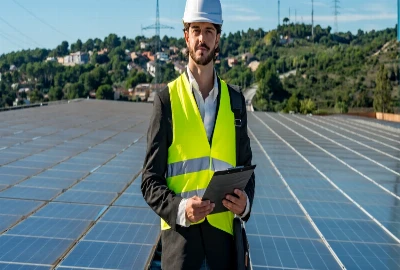
Buildings can incorporate stronger materials, improved drainage, flood-resistant infrastructure, heat-reducing designs, backup energy systems, and emergency planning.
Climate resilience is becoming an essential part of long-term hotel investment.
Improving Energy Efficiency
Hotels traditionally consume significant amounts of energy because they operate continuously and provide services such as heating, cooling, lighting, laundry, food preparation, and hot water.
Energy-efficient systems can reduce both environmental impact and operating costs.
Hotels can use efficient HVAC systems, smart lighting, occupancy sensors, insulation, renewable energy, and energy-monitoring technology.
These measures can make sustainability an operational advantage rather than simply a marketing feature.
Managing Water Resources
Water scarcity is another important challenge for future hospitality.
Hotels can reduce water consumption through low-flow fixtures, water-efficient laundry systems, smart irrigation, rainwater collection, and wastewater treatment technologies.
Guests can also participate through optional linen-reuse programs and responsible water-use initiatives.
Effective water management will become increasingly important in destinations experiencing drought or seasonal water shortages.
Changing Guest Expectations in Modern Hospitality

Demand for Personalized Experiences
Today's guests increasingly expect experiences that match their individual preferences.
Some travelers want wellness and relaxation. Others prioritize adventure, culture, food, business productivity, family services, or technology.
Hotels can respond by offering flexible experiences rather than assuming that every guest wants the same stay.
Personalized room settings, curated local recommendations, flexible dining options, and customized wellness services can make experiences more relevant.
Growing Interest in Sustainable Travel
Environmental awareness is also influencing hotel choices.
Many travelers want to understand how hotels manage energy, water, food waste, plastics, and local sourcing.
Future-proof hotels can respond with measurable sustainability initiatives rather than vague environmental claims.
Transparency matters. Guests are increasingly interested in knowing what a hotel is actually doing rather than simply seeing sustainability language in marketing materials.
Wellness and Emotional Comfort
Hospitality is increasingly connected to well-being.
Hotels are expanding wellness offerings through fitness facilities, healthy food, spa services, quiet spaces, nature-based experiences, sleep-focused amenities, and relaxation programs.
However, wellness does not always require expensive facilities. Comfortable lighting, peaceful rooms, good air quality, natural materials, and quiet environments can also contribute significantly to guest well-being.


Kate McCulley, the voice behind "Adventurous Kate," provides travel advice tailored for women. Her blog encourages safe and adventurous travel for female readers.
Kate McCulley
Prev Post
Next Post