
Ecosystem Restoration Tourism: How Travelers Could Help Rebuild Forests, Wetlands, and Wildlife Habitats
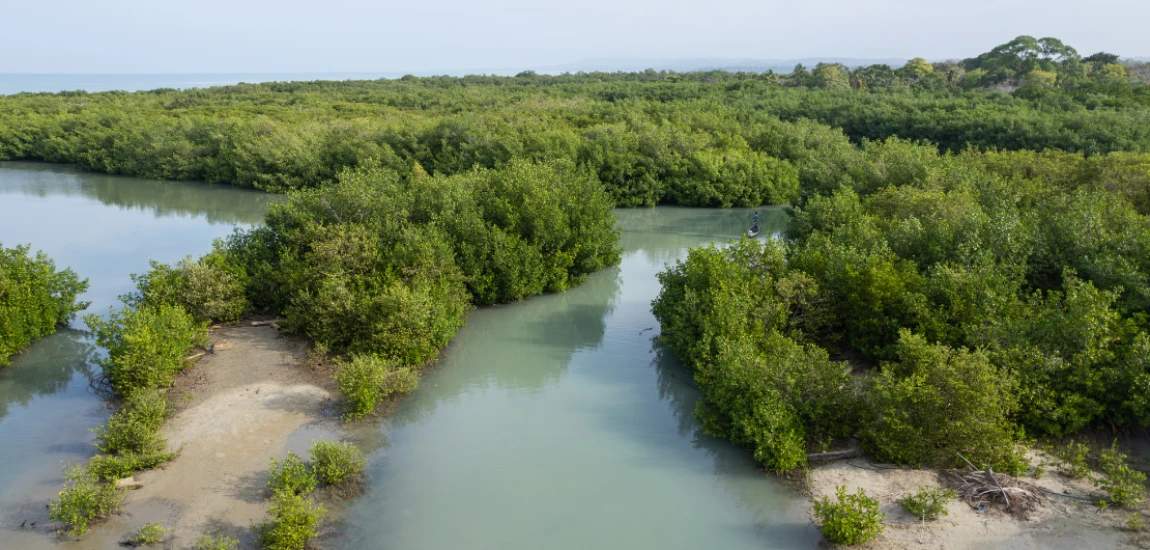
Tourism depends heavily on healthy ecosystems. Forests attract hikers and wildlife enthusiasts, wetlands support birdwatching and nature experiences, coastal habitats draw visitors to beaches and marine environments, and protected landscapes provide opportunities for adventure, education, and relaxation. Yet tourism can also contribute to habitat degradation through construction, waste, resource consumption, overcrowding, and pressure on fragile natural areas.
A new approach is beginning to reshape this relationship: ecosystem restoration tourism. Rather than viewing nature as something travelers simply visit and consume, this model encourages tourism to actively contribute to ecological recovery.
The concept connects travel with restoration activities such as reforestation, wetland rehabilitation, habitat improvement, native species planting, biodiversity monitoring, invasive-species removal, and wildlife conservation. Travelers can participate directly or contribute financially to credible projects managed by conservation organizations and local communities.
Ecosystem restoration tourism also creates an opportunity to connect environmental protection with local economic development. Restoration projects can generate employment for guides, conservation workers, farmers, researchers, environmental educators, and community organizations.
When carefully designed, restoration tourism can create a positive relationship between visitors and the places they explore. Travelers gain deeper experiences, ecosystems receive resources for recovery, and communities can benefit from tourism that supports long-term environmental health.
Understanding Ecosystem Restoration Tourism

From Nature-Based Tourism to Restoration
Nature-based tourism traditionally focuses on experiencing natural environments. Activities such as hiking, wildlife watching, kayaking, birdwatching, camping, and photography allow travelers to appreciate ecosystems.
Ecosystem restoration tourism adds another dimension. It asks how tourism can help improve the ecological condition of the places being visited.
Instead of simply hiking through a forest, visitors might participate in a native tree restoration program. Instead of only observing wetlands, they could support habitat monitoring or conservation education. Instead of visiting a wildlife reserve only for photography, travelers could contribute to projects that protect habitats and reduce pressures on wildlife.
The experience becomes more active and meaningful.
Making Travelers Participants in Conservation
Restoration tourism does not require every traveler to become a conservation expert. Simple activities can make a difference when they are carefully planned and connected to legitimate ecological objectives.
Travelers might plant native species, remove invasive plants under professional supervision, help collect biodiversity observations, restore trails, participate in beach cleanups, or learn about local conservation challenges.
The educational element is particularly important. Visitors can better understand how ecosystems function and why restoration matters.
Creating Long-Term Ecological Value
A successful restoration tourism project should not be judged only by the number of travelers who participate. The important question is whether the ecosystem is actually improving.
Projects can monitor indicators such as native vegetation recovery, water quality, wildlife populations, habitat connectivity, soil health, and biodiversity.
This ensures that tourism supports genuine restoration rather than becoming another form of environmentally themed entertainment.
Rebuilding Forests Through Responsible Travel

Supporting Native Forest Restoration
Forests provide habitat for wildlife, store carbon, protect soil, regulate water cycles, and support communities. When forests are degraded by deforestation, fires, agriculture, invasive species, or development, restoration can help recover ecological functions.
Tourism can support these efforts by directing visitor spending toward responsible forest restoration programs.
Travelers may participate in guided tree-planting activities, restoration walks, ecological education programs, or conservation stays. However, planting trees alone is not enough. The species, location, soil conditions, long-term maintenance, and ecological purpose all matter.
Restoration should prioritize appropriate native species and functioning ecosystems rather than simply maximizing the number of trees planted.
Creating Meaningful Forest Experiences
Restoration projects can become educational travel experiences. A local guide might explain how a forest has changed over time, which species are native, how wildlife depends on the habitat, and what threats remain.
Travelers can learn about ecological relationships rather than simply completing a planting activity and leaving.
This makes the journey more memorable while helping visitors understand the long-term nature of conservation.
Supporting Local Forest Communities
Forest restoration can also create local employment. Communities may provide guides, nursery workers, restoration specialists, environmental educators, accommodation, food, transportation, and other tourism services.
When local residents benefit economically, restoration can become more sustainable.
Tourism should therefore be designed so that conservation income reaches communities rather than being captured entirely by external operators.
Restoring Wetlands and Water-Based Ecosystems

Why Wetlands Matter
Wetlands are among the world's valuable ecosystems. They can provide habitat for birds, fish, amphibians, insects, and plants while helping regulate water and support biodiversity.
Wetlands can also provide important benefits to surrounding communities, including flood management, water filtration, recreation, and educational opportunities.
Yet wetlands are frequently threatened by development, pollution, drainage, invasive species, and changing environmental conditions.
Creating Wetland Restoration Experiences
Travelers can support wetland restoration through guided conservation experiences. Activities might include native vegetation planting, habitat monitoring, water-quality observation, responsible wildlife surveys, or invasive-species management.
These activities should always be designed and supervised by qualified conservation teams.
Tourism can also support wetland restoration financially through visitor fees, conservation contributions, accommodation partnerships, and community-based tourism programs.
Combining Restoration With Education
Wetland tourism can be especially effective when restoration is combined with interpretation. Visitors can learn how wetlands function, why migratory birds depend on them, how water moves through ecosystems, and what local communities are doing to protect them.
This educational connection can encourage travelers to become more environmentally responsible after returning home.
Protecting Wildlife Habitats Through Tourism

Supporting Habitat Protection
Wildlife tourism can generate significant conservation revenue, but poorly managed wildlife tourism can also disturb animals.
Ecosystem restoration tourism focuses on protecting the habitats that wildlife depend upon rather than simply maximizing wildlife encounters.
Tourism revenue can support habitat restoration, ranger programs, monitoring, ecological research, and community conservation initiatives.
Travelers can contribute by choosing operators that follow responsible wildlife-viewing guidelines and demonstrate clear conservation commitments.
Restoring Habitat Connectivity
Wildlife often needs connected habitats to move, feed, reproduce, and adapt to environmental changes. Roads, farms, cities, and other developments can fragment landscapes.
Restoration projects can help reconnect habitats through native vegetation corridors, restored wetlands, forest patches, and protected landscapes.
Tourism can contribute by funding these projects and educating visitors about the importance of habitat connectivity.
Avoiding Harmful Wildlife Experiences
Responsible ecosystem restoration tourism should never place wildlife under unnecessary stress for visitor entertainment.
Travelers should avoid activities that involve touching wild animals, feeding wildlife without professional justification, chasing animals for photographs, or entering restricted habitats.
The best wildlife tourism allows animals to behave naturally while visitors observe from appropriate distances.


Derek Baron, also known as "Wandering Earl," offers an authentic look at long-term travel. His blog contains travel stories, tips, and the realities of a nomadic lifestyle.
Derek Baron

Prev Post

Next Post