
Dynamic Visitor Time Management – Adjusting Tourist Timing to Prevent Overcrowding
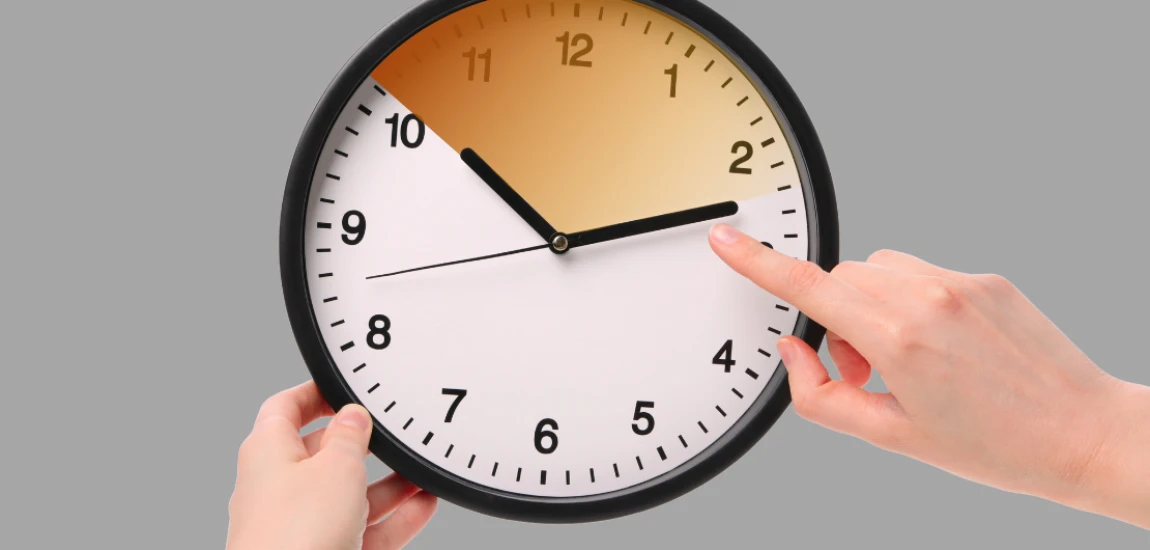
Tourism destinations often face a difficult challenge: large numbers of visitors arriving at the same places at the same time. Popular attractions, historic landmarks, beaches, museums, parks, shopping districts, and cultural sites can become extremely crowded during peak hours. Overcrowding can reduce visitor satisfaction, create long queues, increase pressure on infrastructure, and negatively affect the quality of life of local residents.
Traditional tourism management often focuses on controlling how many visitors enter a destination. However, managing when visitors arrive can be equally important. A destination may have enough capacity to accommodate visitors throughout an entire day but still experience serious overcrowding during a few peak hours.
This is where dynamic visitor time management becomes valuable. The approach focuses on adjusting tourist timing according to demand, capacity, weather, events, transportation conditions, and real-time visitor patterns. Instead of allowing large numbers of tourists to arrive simultaneously, destinations can encourage or guide visitors toward less crowded periods.
Dynamic visitor time management can use timed tickets, flexible reservations, real-time crowd information, variable attraction schedules, personalized recommendations, incentives for off-peak visits, and digital visitor-management systems.
For example, if a landmark becomes crowded between 10 a.m. and noon, visitors could be encouraged to arrive earlier or later. Attractions could offer lower prices during quieter periods, while travel applications could recommend alternative time slots based on current crowd levels.
The objective is not simply to restrict tourists. It is to distribute visitors more evenly throughout the day so that destinations can use existing infrastructure more efficiently.
When implemented carefully, dynamic visitor time management can improve visitor comfort, protect sensitive attractions, reduce congestion, support local businesses during quieter periods, and create a more sustainable tourism environment.
Understanding Dynamic Visitor Time Management

What Dynamic Visitor Time Management Means
Dynamic visitor time management is a tourism management strategy that influences or adjusts the timing of visitor arrivals to reduce concentration during peak periods.
Instead of treating visitor demand as constant, the system recognizes that tourism activity changes throughout the day.
Some attractions may experience high demand in the morning, while restaurants, shopping areas, museums, or entertainment venues may become busier later.
By understanding these patterns, destinations can distribute visitors more effectively.
The approach can involve timed-entry systems, advance reservations, digital notifications, flexible opening hours, real-time crowd information, and incentives for visiting during less busy periods.
The goal is to match visitor demand with available capacity.
Why Tourist Timing Matters
Overcrowding is often a timing problem rather than simply a volume problem.
Imagine an attraction that can comfortably accommodate 5,000 visitors over an entire day. If those visitors arrive evenly, the site may operate effectively.
But if 3,000 visitors arrive within two hours, the same attraction can become severely congested.
Queues become longer, pathways become crowded, staff experience greater pressure, and visitors may have a less enjoyable experience.
Managing arrival times can therefore reduce peak pressure without necessarily reducing total tourism demand.
Moving From Static to Dynamic Management
Traditional visitor-management systems often use fixed opening hours and fixed ticket allocations.
Dynamic systems are more flexible.
They can respond to changing visitor behavior and conditions.
For example, if an attraction suddenly becomes crowded, a digital platform can recommend a later visit. If demand is low, the destination can promote immediate entry.
This creates a more responsive tourism-management model.
Using Data to Predict and Manage Visitor Timing

Analyzing Historical Visitor Patterns
Historical tourism data can reveal when attractions experience their highest and lowest visitor volumes.
Destinations can analyze ticket sales, entry records, transportation data, hotel occupancy, event calendars, and seasonal tourism patterns.
This information can identify recurring peak periods.
For example, an attraction might consistently experience its highest demand between 11 a.m. and 2 p.m.
Knowing this pattern allows managers to create strategies before overcrowding occurs.
Historical data can also reveal differences between weekdays, weekends, holidays, and seasons.
Using Real-Time Visitor Data
Historical information is useful, but real-time data makes visitor management more responsive.
Sensors, ticketing systems, mobile applications, Wi-Fi systems, transportation information, and digital counters can provide information about current visitor levels.
If a location is approaching its comfortable capacity, visitors can receive updates about current conditions.
They might be encouraged to delay their visit, choose another time slot, or explore a nearby attraction.
Real-time information reduces uncertainty and gives tourists more control over their schedules.
Predicting Future Crowding
Predictive analytics can combine historical and real-time information to estimate future visitor demand.
Factors such as weather, holidays, school vacations, cruise arrivals, transportation schedules, festivals, and major events can influence tourism flows.
A destination can use this information to anticipate busy periods.
This allows managers to adjust staffing, transportation, ticket availability, and visitor communication before overcrowding occurs.
Predictive visitor management is especially useful for attractions with limited physical capacity.
Designing Flexible Visitor Scheduling Systems

Timed Entry and Reservation Systems
Timed-entry tickets are one of the most practical methods for controlling visitor timing.
Instead of allowing everyone to arrive whenever they choose, attractions divide the day into scheduled entry periods.
Visitors select a time slot when purchasing their tickets.
This reduces sudden visitor surges and makes crowd levels easier to manage.
However, timed-entry systems should remain user-friendly.
Visitors may need flexibility because transportation delays, weather conditions, or personal circumstances can change their plans.
Allowing reasonable modifications or grace periods can make scheduling systems more convenient.
Encouraging Off-Peak Visits
Destinations can encourage visitors to choose less crowded periods through incentives.
Reduced admission prices, special experiences, exclusive tours, discounts at local businesses, or additional services can make off-peak visits more attractive.
For example, a museum could offer discounted entry during late afternoon hours.
A historic site could provide special guided tours during quieter periods.
Restaurants and shops can also participate by offering benefits to visitors who travel outside traditional peak hours.
This turns crowd management into a positive visitor proposition rather than simply a restriction.
Flexible Operating Hours
Extending or adjusting operating hours can help distribute demand.
If an attraction is extremely crowded in the morning but underused later in the day, managers could consider earlier opening or later closing when operationally appropriate.
Flexible hours can be particularly useful during peak tourism seasons.
However, operating-hour changes should consider staff availability, energy consumption, neighborhood impacts, security, and conservation requirements.
The objective is to create a sustainable schedule rather than simply keeping attractions open longer.
Using Technology to Improve Tourist Timing

Smart Travel Applications
Travel applications can help visitors make better timing decisions.
Instead of simply displaying opening hours, a smart travel platform can show estimated crowd levels, recommended visiting periods, waiting times, and alternative attractions.
A traveler planning to visit a popular landmark at noon might receive a recommendation to visit at 8 a.m. or 4 p.m.
This creates a more personalized travel experience.
Technology can also combine several activities into an itinerary that avoids placing multiple high-demand attractions at the same time.
Real-Time Alerts and Notifications
Real-time notifications can help prevent sudden crowd concentration.
Visitors can receive messages when an attraction becomes busy or when a quieter period is approaching.
For example, a system could inform tourists that a museum currently has a long waiting time but is expected to become less crowded later.
Such information allows travelers to adjust their schedules voluntarily.
This is more flexible than simply closing an attraction when capacity is reached.
Artificial Intelligence and Personalized Scheduling
Artificial intelligence can make visitor scheduling more personalized.
AI systems can consider a visitor's interests, preferred activities, available time, transportation options, and current destination conditions.
The system can then suggest the best times to visit specific attractions.
For example, a traveler interested in museums and cultural sites might receive a morning museum recommendation followed by an afternoon outdoor activity when visitor density is lower.
Personalized scheduling can improve both visitor satisfaction and destination efficiency.


Ben Schlappig runs "One Mile at a Time," focusing on aviation and frequent flying. He offers insights on maximizing travel points, airline reviews, and industry news.
Ben Schlappig

Prev Post

Next Post