
Digital Nomad Tourism: How Remote Work Is Reshaping Cities, Communities, and Travel Culture
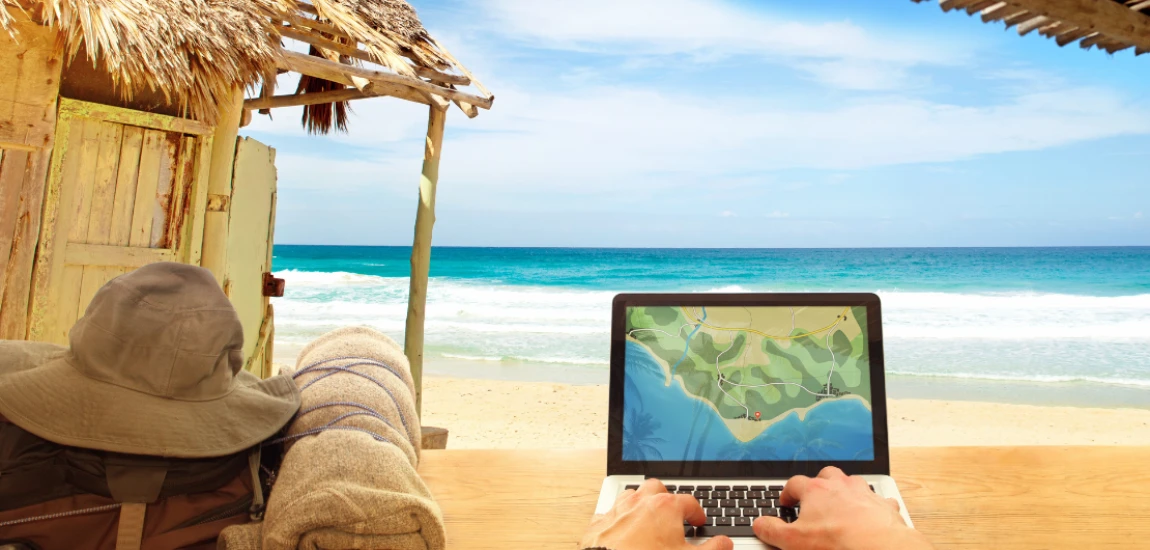
The traditional idea of travel has changed dramatically as remote work becomes more common. In the past, traveling usually meant taking a limited vacation, visiting a destination for a few days, and returning home to work. Today, digital professionals can work from almost anywhere with a reliable internet connection, allowing them to combine employment and exploration in ways that were previously difficult.
This shift has created the growth of digital nomad tourism. Digital nomads are people who use technology to work remotely while moving between destinations for extended periods. Instead of spending only a few days in a city, they may stay for several weeks or months, becoming temporary members of local communities.
The rise of remote work is changing not only where people work but also how destinations think about tourism. Cities that once competed primarily for short-term visitors are now creating coworking spaces, long-stay accommodation, digital nomad programs, reliable internet infrastructure, community events, and flexible living environments.
Digital nomad tourism can create significant economic opportunities. Longer-stay visitors may spend money on accommodation, restaurants, transportation, coworking spaces, entertainment, wellness, and local services. At the same time, the movement can create challenges involving housing affordability, neighborhood change, infrastructure pressure, and relationships between newcomers and residents.
The future of digital nomad tourism will therefore depend on finding a balance between attracting remote workers and protecting the interests of local communities.
What Is Digital Nomad Tourism?

Digital nomad tourism is a form of travel in which people work remotely while living temporarily in destinations away from their traditional homes. Unlike conventional tourists, digital nomads often combine work and travel for extended periods.
From Vacation Travel to Work-Enabled Mobility
Traditional tourism separates work and leisure. People work in one location and travel during designated vacation periods. Remote work has blurred this boundary.
A digital nomad may spend the morning attending virtual meetings, work from a coworking space in the afternoon, and explore a local neighborhood or restaurant in the evening. This creates a lifestyle where travel becomes integrated into everyday life rather than limited to annual vacations.
The Growth of Remote Work
Cloud computing, video conferencing, collaboration platforms, digital payments, and high-speed internet have made location-independent work increasingly practical for many professions.
Technology companies, freelancers, consultants, designers, developers, writers, marketers, and other professionals may have greater flexibility to work outside traditional offices.
This flexibility has created demand for destinations that offer both lifestyle appeal and reliable work infrastructure.
Longer Stays and Local Integration
Digital nomads often stay longer than traditional tourists. This gives them more opportunities to understand local communities, develop routines, learn cultural practices, and form relationships.
However, longer stays also mean that digital nomad tourism can have a more significant impact on local housing, transportation, and services. This makes responsible destination planning especially important.
How Digital Nomads Are Reshaping Cities

Cities are adapting to the changing needs of remote workers. Destinations that want to attract digital nomads are increasingly investing in infrastructure and services that support flexible lifestyles.
Coworking and Coliving Spaces
Coworking spaces have become an important part of digital nomad culture. They provide reliable internet, desks, meeting rooms, professional environments, and opportunities to meet other remote workers.
Coliving spaces combine accommodation with shared work and social areas. They can make it easier for newcomers to build connections while providing flexible housing options.
These spaces are also changing urban real estate by creating demand for properties designed around longer-term flexible living.
Digital Infrastructure
Reliable internet is one of the most important requirements for digital nomads. Cities seeking remote workers need strong broadband networks, mobile connectivity, accessible digital services, and dependable electricity.
Public Wi-Fi, digital payment systems, online government services, and technology-friendly businesses can further improve the experience for international remote workers.
Lifestyle and Urban Amenities
Digital nomads often evaluate destinations based on more than connectivity. They may consider walkability, public transportation, cafés, parks, healthcare, safety, cultural activities, food, entertainment, and access to nature.
As a result, cities competing for remote workers may increasingly focus on quality of life rather than tourism attractions alone.
Economic Benefits of Digital Nomad Tourism

Digital nomad tourism can generate economic benefits because long-stay visitors often spend money across multiple parts of the local economy.
Supporting Local Businesses
A traditional tourist may visit a destination for several days and spend primarily on major attractions and hotels. A digital nomad staying for several weeks may develop regular habits.
They might buy groceries, visit neighborhood cafés, use local transportation, attend fitness classes, work from coworking spaces, eat at independent restaurants, and purchase services from local businesses.
This repeated spending can create more consistent demand.
Creating New Business Opportunities
The digital nomad economy can encourage entrepreneurs to develop businesses specifically for remote workers. These may include coworking spaces, flexible accommodation, networking events, wellness services, language programs, cultural workshops, and professional communities.
Local entrepreneurs can also benefit by creating products and experiences that appeal to longer-stay visitors.
Encouraging Economic Diversification
Destinations heavily dependent on traditional seasonal tourism can potentially use digital nomad tourism to diversify their visitor economy.
Remote workers may arrive during periods when conventional tourism is weaker, creating additional demand for accommodation and local services.
This can help some businesses achieve more stable revenue throughout the year.
How Digital Nomad Tourism Affects Local Communities

The impact of digital nomad tourism is not entirely positive. The arrival of large numbers of higher-income remote workers can create challenges if destinations do not plan carefully.
Housing Affordability Concerns
One of the most important concerns is housing. Increased demand for short-term or flexible accommodation can contribute to higher rents in some markets.
If residential properties are converted primarily into tourist or temporary accommodation, local residents may face greater difficulty finding affordable housing.
Destination managers therefore need policies that balance tourism growth with local housing needs.
Cultural Exchange and Community Connections
Digital nomad tourism can create valuable cultural exchange when visitors actively participate in local life. Remote workers may learn local languages, attend community events, support neighborhood businesses, and develop friendships with residents.
However, social separation can occur if digital nomads live primarily in international communities and rarely interact with local residents.
Community-based events and locally led experiences can help create stronger connections.
Responsible Integration
Digital nomads can contribute positively by respecting local customs, paying fair prices, supporting local businesses, learning about community concerns, and understanding that they are temporary residents rather than consumers of a destination.
The most successful digital nomad communities are those that encourage mutual benefit.


Gary Arndt operates "Everything Everywhere," a blog focusing on worldwide travel. An award-winning photographer, Gary shares stunning visuals alongside his travel tales.
Gary Arndt
Prev Post
Next Post