
Digital Nomad Mobility and Long-Stay Tourism Ecosystems: Transforming Remote Work and Destination Economies
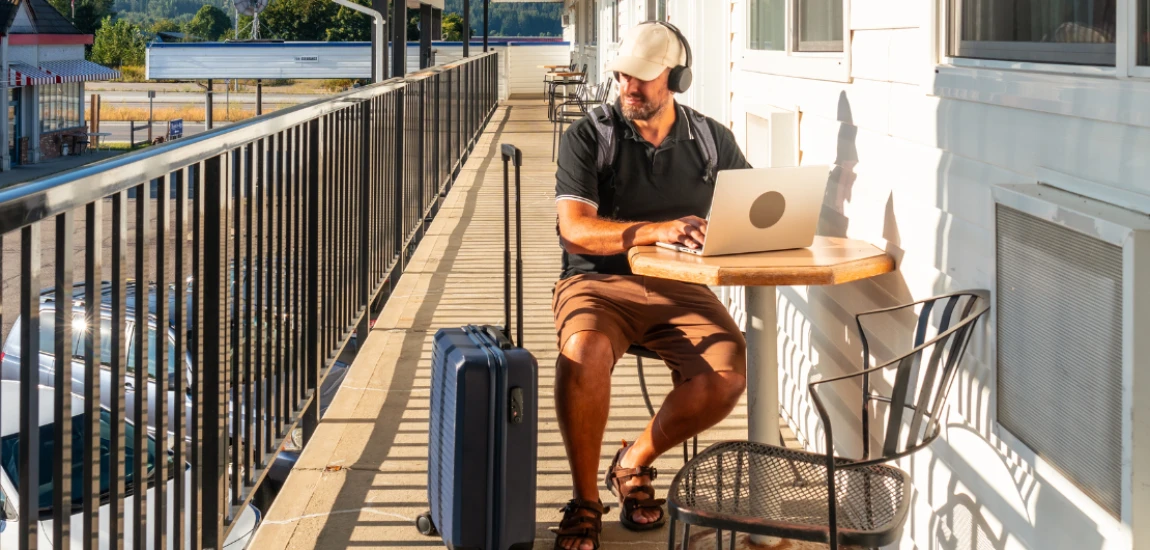
The growth of remote work is changing how people travel, choose destinations, and experience local communities. Instead of taking short holidays and returning home, many professionals now combine employment with extended stays in different cities, coastal towns, and rural destinations. They may spend several weeks or months working from a new location while exploring local culture, supporting businesses, and building temporary social connections.
**Digital Nomad Mobility and Long-Stay Tourism Ecosystems** describe the interconnected services, infrastructure, accommodation options, and community relationships that make this lifestyle possible. These ecosystems include reliable internet access, coworking spaces, flexible rentals, transportation, healthcare access, food services, immigration arrangements, and social opportunities.
For tourism destinations, long-stay visitors can create demand beyond traditional holiday seasons. They may rent accommodation for longer periods, purchase groceries regularly, visit local businesses repeatedly, and participate in community activities. However, this growth can also increase pressure on housing affordability, public infrastructure, and local resources if it is poorly managed.
Understanding this emerging tourism model helps destinations attract remote workers while balancing economic opportunities with residents' needs. This article explores ten important dimensions of digital nomad mobility and long-stay tourism, from infrastructure and accommodation to community integration and sustainable destination planning.
Understanding Digital Nomad Mobility and Long-Stay Tourism

The Evolution of Remote Work Travel
Digital nomads are people who use digital technology to work remotely while traveling between destinations. They may include freelancers, entrepreneurs, consultants, employees of remote-first companies, and professionals managing online businesses.
Unlike conventional tourists, digital nomads often choose destinations based on both lifestyle and work requirements. They may prioritize dependable internet access, suitable workspaces, affordable accommodation, convenient transportation, and access to everyday services.
Long-stay tourism overlaps with digital nomad travel but is broader in scope. It can include international students, seasonal residents, visiting professionals, retirees, and travelers who remain in one destination for several weeks or months.
This shift encourages destinations to develop services that support everyday living rather than focusing exclusively on short-term sightseeing.
How Long-Stay Visitors Differ from Traditional Tourists
Short-term tourists often concentrate spending around attractions, restaurants, entertainment, and organized excursions. Long-stay visitors typically develop more varied spending patterns because they participate in everyday local life.
They may buy groceries, use public transportation, join fitness facilities, visit neighborhood cafés, and purchase services repeatedly. These activities can distribute spending across more businesses and neighborhoods.
Longer stays may also encourage deeper cultural engagement. Remote workers have more time to learn local customs, attend community events, and discover places beyond major attractions.
However, their economic impact depends on where they spend money, the length of their stay, and whether accommodation and services remain accessible to residents.
Why Destinations Are Adapting
Tourism authorities and local businesses increasingly recognize that remote workers represent a potential market for extended visits. Destinations with suitable infrastructure can develop packages that combine accommodation, workspace access, cultural activities, and local services.
The most effective strategies consider local capacity rather than treating every remote worker as an automatic economic benefit. Housing conditions, infrastructure, environmental limits, and community attitudes should shape long-stay tourism policies.
Digital Infrastructure and Reliable Connectivity

High-Speed Internet as Essential Infrastructure
Reliable internet is one of the most important requirements for digital nomads. Video meetings, cloud applications, online collaboration, and secure access to workplace systems depend on stable connectivity.
Destinations seeking remote workers should assess broadband coverage, mobile network quality, power reliability, and internet access in both urban and rural areas. A destination may have excellent scenery but struggle to attract professionals if connectivity frequently fails.
Tourism businesses can help by offering verified internet speeds, suitable desk space, backup connectivity where practical, and clear information about network limitations.
Public investment may also improve connectivity in underserved communities, benefiting residents, students, and local enterprises alongside long-stay visitors.
Developing Coworking and Flexible Workspaces
Coworking spaces provide desks, meeting rooms, printing facilities, reliable connectivity, and opportunities for professional networking. They can be particularly useful for visitors whose accommodation is unsuitable for concentrated work.
Hotels, libraries, community centers, and repurposed commercial buildings may also offer appropriate workspaces. Flexible access passes allow remote workers to choose between occasional visits and regular memberships.
Workspace providers should consider accessibility, ventilation, noise levels, opening hours, and private areas for confidential calls.
The goal is to create practical working environments that complement the destination's lifestyle appeal without unnecessarily duplicating existing community facilities.
Protecting Digital Security and Work Continuity
Remote workers may handle confidential business information while using unfamiliar networks and devices. Destinations and workspace providers can improve confidence through secure Wi-Fi, clear access procedures, and reliable power arrangements.
Visitors should use multifactor authentication, updated software, and appropriate virtual private networks when required by their employers or organizations. Sensitive work should not depend on unsecured public networks.
Business continuity also matters. Remote workers benefit from knowing where backup workspaces, charging facilities, and connectivity alternatives are available.
Flexible Accommodation and Long-Stay Housing Solutions

Meeting Different Accommodation Needs
Digital nomads require accommodation that supports both living and working. Useful features may include a comfortable desk, reliable internet, adequate lighting, kitchen facilities, laundry access, and quiet surroundings.
Accommodation providers can develop weekly and monthly rates, serviced apartments, aparthotels, coliving properties, and extended-stay hotel options.
Different travelers have different budgets and preferences. Some value privacy, while others prefer shared facilities and opportunities to meet fellow residents.
Transparent rental conditions are important. Visitors should understand utility charges, deposits, cleaning fees, cancellation terms, minimum stays, and any restrictions before booking.
Balancing Visitor Demand with Housing Affordability
Long-stay tourism can increase demand for furnished rentals, especially in popular cities and coastal destinations. If housing supply is limited, competition between visitors and residents may place upward pressure on rents.
Destination managers should monitor rental prices, housing availability, neighborhood changes, and the concentration of short-term or medium-term accommodation.
Potential measures include appropriate rental regulations, incentives for additional housing supply, transparent registration systems, and policies that protect long-term residential needs.
Tourism growth should not depend on displacing residents or reducing the availability of suitable housing for local workers.
Creating Better Long-Stay Guest Experiences
Accommodation providers can support longer visits through clear arrival instructions, dependable maintenance, flexible housekeeping options, and information about nearby grocery stores, transport, healthcare, and workspaces.
Local partnerships may help guests discover neighborhood businesses and community activities without relying entirely on large tourist operators.
Feedback from long-stay guests can reveal practical improvements, such as better desk arrangements, quieter rooms, or clearer utility information.
High-quality extended accommodation combines the convenience of temporary lodging with the functionality needed for everyday living.


Ben Schlappig runs "One Mile at a Time," focusing on aviation and frequent flying. He offers insights on maximizing travel points, airline reviews, and industry news.
Ben Schlappig

Prev Post

Next Post