
Digital Heritage Tourism: How AR, VR, and 3D Technology Are Reimagining Ancient Places
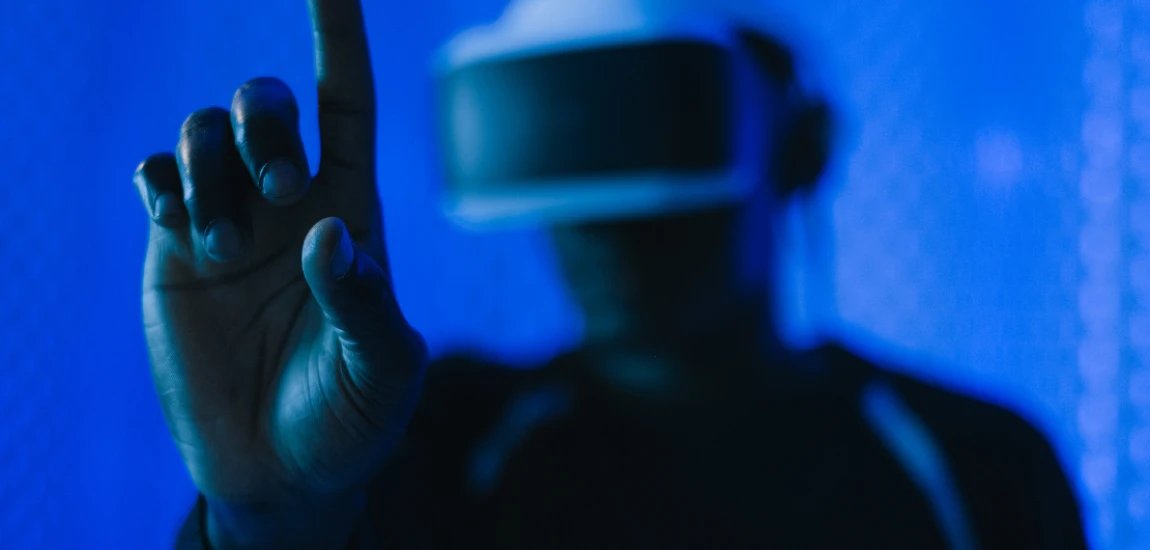
Ancient places carry stories that connect modern travelers with civilizations, cultures, technologies, beliefs, and communities from the past. Historic cities, archaeological ruins, temples, castles, monuments, museums, and sacred landscapes allow visitors to experience physical evidence of human history. However, time, weather, natural disasters, urban development, conflict, and increasing visitor pressure can threaten these irreplaceable sites.
Technology is creating new possibilities for protecting and experiencing cultural heritage. Digital heritage tourism combines tourism with augmented reality (AR), virtual reality (VR), 3D modeling, spatial mapping, artificial intelligence, digital archives, and immersive storytelling. These technologies can help visitors understand what ancient places may have looked like while creating new ways to explore heritage without physically disturbing fragile structures.
Instead of simply looking at a partially preserved wall, travelers could use AR to visualize the original building. A VR experience could allow someone to explore an archaeological site that is difficult or impossible to access. A 3D reconstruction could preserve a digital version of a monument even if the physical structure deteriorates.
Digital technology is therefore changing the relationship between travelers and heritage. The future may not involve replacing physical visits but enriching them with additional layers of information, interpretation, and imagination.
Understanding Digital Heritage Tourism

From Passive Observation to Interactive Exploration
Traditional heritage tourism often involves walking through a historic site while reading signs, listening to a guide, or viewing objects in a museum. These methods remain valuable, but digital tools can make the experience more interactive.
AR can place historical information directly into the visitor's field of view. A traveler standing among ancient ruins might see digital reconstructions of buildings, people, objects, or historical events through a smartphone or AR device.
This creates a connection between the physical remains and their historical context.
Connecting the Past With Modern Technology
Digital heritage tourism does not necessarily mean turning history into entertainment. When carefully designed, technology can make complex historical information easier to understand.
Three-dimensional models can show how architectural structures were constructed. Interactive maps can explain how ancient cities developed. Digital timelines can demonstrate how a site changed across different historical periods.
These tools can help visitors understand heritage as something dynamic rather than simply a collection of old buildings.
Expanding Access to Cultural Heritage
Digital experiences can also make heritage accessible to people who cannot physically visit a destination. Virtual tours can allow students, researchers, older travelers, and people with mobility limitations to explore historical environments remotely.
This creates a broader audience for cultural heritage and allows important sites to reach people around the world.
How Augmented Reality Is Transforming Ancient Sites

Bringing Lost Structures Back Into View
Many archaeological sites survive only partially. Travelers may see foundations, broken columns, walls, or scattered artifacts without knowing what the original environment looked like.
AR can digitally reconstruct missing elements while keeping the physical site visible.
A visitor might point a smartphone or AR headset toward ancient ruins and see reconstructed buildings appear over the existing landscape. This can provide a much clearer understanding of the site's original design.
Creating Contextual Historical Storytelling
AR can also provide information at exactly the place where it becomes relevant.
A visitor standing beside an ancient doorway could receive information about its construction, purpose, decoration, and historical significance. Moving to another location could reveal information about another structure.
This creates a location-based storytelling experience that connects information directly to the physical environment.
Making Heritage Experiences More Engaging
Interactive AR experiences can encourage visitors to explore rather than simply follow a predetermined route. They may discover hidden architectural details, historical characters, ancient objects, or reconstructed environments.
Gamification can also be used carefully to encourage younger visitors to learn about history.
The important principle is that technology should strengthen historical understanding rather than distract from the heritage itself.
Virtual Reality and Immersive Heritage Experiences

Exploring Sites That Are Difficult to Visit
Some heritage sites are located in remote areas, underwater environments, restricted archaeological zones, or places where physical access could damage fragile remains.
VR provides an alternative.
Visitors can explore a detailed digital environment while remaining outside sensitive areas. Museums and cultural institutions can also use VR to recreate places that are no longer accessible.
This can reduce physical pressure on vulnerable heritage sites.
Reconstructing Historical Environments
VR can recreate not only individual buildings but entire historical landscapes.
A virtual reconstruction could show streets, markets, homes, public spaces, temples, gardens, and transportation systems as they may have appeared during a particular historical period.
Travelers can experience the relationship between different parts of an ancient settlement rather than viewing isolated ruins.
Creating Educational Tourism Opportunities
VR can be particularly valuable for education. Students can virtually explore archaeological sites before studying them in class or use immersive environments to understand historical events.
Tourism organizations can also develop educational VR experiences that provide background information before travelers arrive at a destination.
This creates a stronger connection between education and travel.
The Power of 3D Technology in Heritage Preservation

Digitally Documenting Fragile Sites
Three-dimensional scanning can create detailed digital records of monuments, sculptures, archaeological structures, and cultural objects.
These records can support conservation, research, restoration, and education.
If a structure is damaged in the future, its digital documentation can provide valuable information about its previous condition.
Creating Accurate Digital Reconstructions
3D technology can combine archaeological evidence, historical documents, photographs, architectural research, and spatial measurements to create detailed reconstructions.
However, digital reconstructions should distinguish between confirmed evidence and scholarly interpretation.
Visitors should understand when they are seeing a documented structure and when they are seeing a research-based reconstruction.
This transparency builds trust and improves historical education.
Supporting Museums and Virtual Collections
Museums can use 3D models to create digital collections that visitors can explore online.
A person may be able to rotate an ancient artifact, zoom in on small details, and learn about its origin without physically handling the object.
This can expand access while reducing unnecessary handling of fragile materials.


Gary Arndt operates "Everything Everywhere," a blog focusing on worldwide travel. An award-winning photographer, Gary shares stunning visuals alongside his travel tales.
Gary Arndt

Prev Post
Next Post