
Destination Well-Being Architecture – How Urban Design, Public Spaces, Lighting, Greenery, and Mobility Could Make Entire Cities Better for Travelers
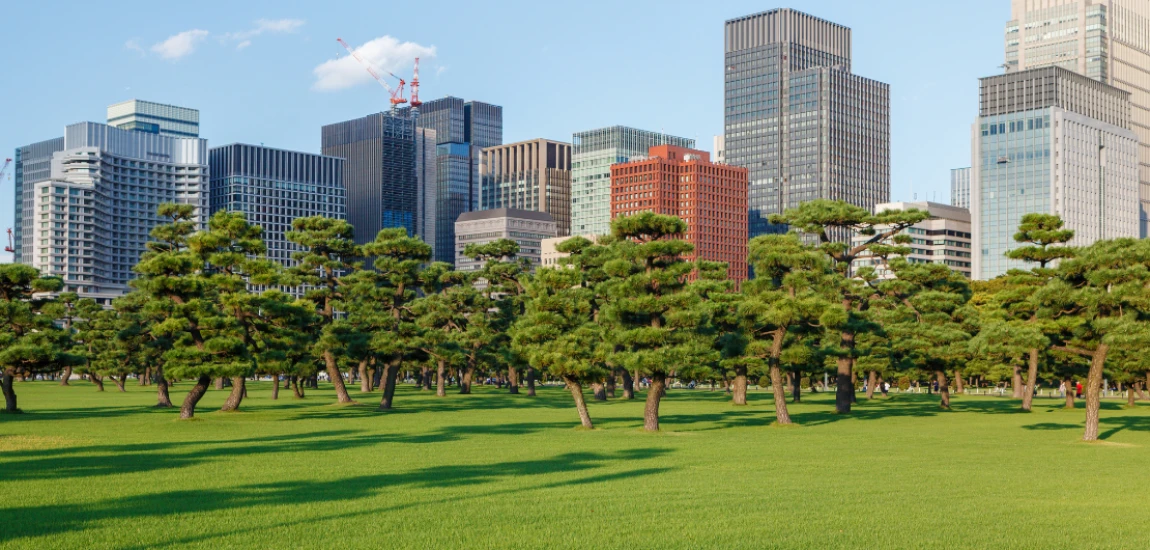
Tourism is often described through attractions: famous monuments, museums, beaches, restaurants, shopping districts, and entertainment venues. Yet the quality of a travel experience depends on much more than individual attractions. The sidewalks travelers use, the availability of shade, the cleanliness of public spaces, the quality of lighting at night, the ease of using public transportation, the presence of trees, and even the availability of quiet places can influence how people experience a destination.
This creates an opportunity for Destination Well-Being Architecture, an approach that considers the entire urban environment as part of the tourism experience. Instead of designing cities only around landmarks or visitor infrastructure, destinations could consider how streets, parks, public squares, mobility systems, lighting, greenery, seating, accessibility, and community spaces affect human well-being.
A well-designed destination can make visitors feel comfortable without constantly requiring them to spend money. A shaded public square can provide relief from heat. A pedestrian-friendly street can make exploration easier. Reliable public transportation can reduce travel stress. Green spaces can provide opportunities to rest between activities. Thoughtful nighttime lighting can make urban exploration more comfortable.
Importantly, destination well-being should benefit residents as much as visitors. Tourism infrastructure that improves everyday life can create stronger communities while simultaneously improving the visitor experience.
Future cities could therefore move beyond the idea that tourism happens inside attractions. Tourism happens across the entire urban environment. Every street, station, park, plaza, neighborhood, and public facility can influence how travelers experience a place.
Designing Cities Around Human Well-Being

Moving Beyond Attraction-Centered Tourism
Traditional destination planning often concentrates investment around major attractions. Roads, hotels, signs, restaurants, and transportation services are developed to move visitors toward famous sites.
Destination well-being architecture takes a broader view. It asks whether the journey between attractions is also comfortable, safe, accessible, and enjoyable.
A traveler may remember a beautiful monument, but they will also remember whether the surrounding area was easy to navigate, whether there was somewhere to sit, whether the streets felt welcoming, and whether transportation was convenient.
This means the urban environment itself becomes part of the tourism product.
Designing for Residents and Visitors
The strongest well-being-focused tourism projects should not create cities that are pleasant only for visitors.
Residents need clean streets, reliable transportation, parks, safe walking routes, public seating, shade, cultural spaces, and accessible services. Visitors benefit from many of the same features.
When tourism investment improves everyday urban life, destinations can avoid creating a sharp divide between “tourist areas” and authentic community spaces.
This can create a healthier relationship between tourism and local communities.
Making Comfort a Planning Priority
Comfort is sometimes treated as a minor design consideration, but it can strongly influence how people explore cities.
Shade, drinking-water access, benches, pedestrian crossings, public toilets, wayfinding, accessible paths, and places to rest can encourage travelers to spend more time exploring on foot.
These features can be particularly important in destinations experiencing extreme heat or heavy seasonal tourism.
A well-designed city does not force travelers to move constantly from one indoor attraction to another. It creates comfortable public environments where people can pause, observe, and enjoy the destination.
Creating Better Public Spaces for Travelers and Residents

Parks and Urban Green Spaces
Public parks can become important components of destination well-being.
Travelers often need breaks from busy sightseeing schedules. A well-designed park can provide shade, seating, walking paths, gardens, cultural programming, and quiet areas.
Urban greenery can also help make dense cities feel more welcoming.
Instead of treating parks simply as recreational infrastructure, destinations can integrate them into tourism routes. A visitor walking between attractions could pass through a landscaped public space rather than navigating only through traffic-heavy streets.
Public Squares and Gathering Places
Public squares can provide opportunities for social interaction and cultural discovery.
Markets, performances, festivals, local food events, exhibitions, and community activities can transform public spaces into living parts of the destination.
Well-designed plazas can include seating, shade, lighting, accessible pathways, and flexible areas for different activities.
This allows visitors to experience everyday city life rather than only entering designated tourist attractions.
Designing Spaces for Different Needs
Not every traveler wants the same environment.
Some visitors enjoy busy social areas, while others prefer quieter spaces. Families may need open areas where children can move safely. Older travelers may require more seating and accessible pathways.
Well-being-oriented public spaces can provide different levels of activity.
A destination can include energetic gathering areas alongside quieter gardens, shaded seating zones, and peaceful walking routes.
This variety makes cities more inclusive and gives travelers greater freedom to choose how they experience a place.
Using Greenery to Create Healthier Destinations

Trees, Shade, and Heat Reduction
Green infrastructure can be particularly important as cities experience hotter conditions.
Trees can provide shade along walking routes, making sightseeing more comfortable during warm weather. Green corridors can connect parks, attractions, neighborhoods, and transportation stations.
For travelers, this can turn an uncomfortable journey into a more pleasant exploration experience.
Shade can also encourage visitors to walk rather than relying exclusively on taxis or private vehicles.
Nature Within Urban Tourism
Urban nature can become a tourism asset without requiring travelers to leave the city.
Botanical gardens, green roofs, urban forests, community gardens, waterfront parks, and biodiversity areas can provide opportunities for nature-based experiences within metropolitan destinations.
These spaces can diversify tourism beyond museums and landmarks.
They can also create opportunities for educational experiences involving local plants, wildlife, environmental history, and climate adaptation.
Choosing Appropriate Local Planting
Greenery should be designed for local environmental conditions.
Using plants that require excessive irrigation can create additional resource pressure, particularly in drought-prone destinations.
Future destination planning can emphasize native or climate-appropriate species, efficient irrigation, soil improvement, and biodiversity.
This makes urban greenery more resilient while reducing maintenance demands.
Designing Lighting for Safer and More Enjoyable Night Tourism

Improving Nighttime Comfort
Night tourism is becoming an increasingly important part of urban travel. Restaurants, cultural performances, evening markets, festivals, entertainment districts, and illuminated landmarks can extend visitor activity beyond daytime hours.
Lighting plays an important role in making these experiences comfortable.
Well-designed lighting can help travelers understand pathways, crossings, entrances, transportation stops, and public spaces.
The goal is not simply to make an area brighter. Lighting should be purposeful and appropriate to its surroundings.
Creating Attractive Nighttime Environments
Lighting can also contribute to destination identity.
Historic streets, bridges, waterfronts, public buildings, and cultural spaces can be illuminated carefully to highlight architectural features.
However, excessive lighting can reduce the quality of nighttime environments and contribute to energy consumption and light pollution.
Good destination lighting balances aesthetics, safety, energy efficiency, and environmental considerations.
Supporting Accessible Night Travel
Nighttime environments should be designed for different users.
Clear pathways, visible crossings, readable signs, accessible transportation stops, and appropriate illumination can help travelers navigate unfamiliar areas.
This is especially important for visitors who may not know the city well.
Good lighting therefore becomes part of wayfinding and accessibility rather than simply decoration.


Gary Arndt operates "Everything Everywhere," a blog focusing on worldwide travel. An award-winning photographer, Gary shares stunning visuals alongside his travel tales.
Gary Arndt

Prev Post

Next Post