
Destination Impact Analytics – Measuring Tourism’s Wider Effects
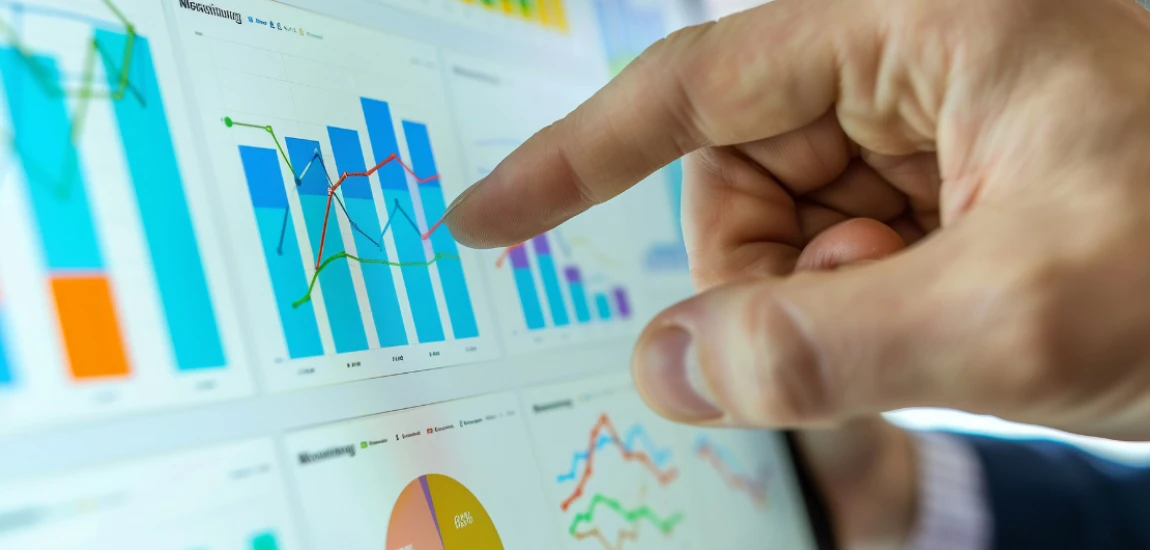
Tourism can create significant opportunities for destinations. It can generate employment, support local businesses, encourage cultural exchange, improve infrastructure, and contribute to regional economic development. At the same time, tourism can also create challenges such as environmental pressure, overcrowding, rising resource consumption, cultural disruption, and unequal distribution of tourism revenue.
Measuring tourism only by visitor numbers or hotel occupancy provides an incomplete picture of its overall influence. A destination may attract millions of visitors while experiencing increasing pressure on water supplies, transportation systems, natural environments, housing, or local communities. This is why destinations increasingly need broader methods for understanding tourism performance.
Destination Impact Analytics provides a framework for measuring the wider effects of tourism across economic, social, cultural, environmental, and infrastructural dimensions. By combining tourism data with information about communities, ecosystems, businesses, resources, and visitor behavior, destination managers can develop a more complete understanding of tourism's consequences.
Destination impact analysis can help answer important questions: Where does tourism revenue go? Which communities benefit most? What environmental pressures are increasing? Which areas are experiencing overcrowding? How does tourism affect local employment? Are cultural assets being protected? What infrastructure is under the greatest pressure?
These insights can support evidence-based tourism planning and help destinations balance visitor activity with long-term community and environmental needs.
Understanding Destination Impact Analytics

Destination Impact Analytics involves collecting, analyzing, and interpreting information about the different effects tourism creates within a destination. Instead of focusing on a single tourism indicator, it looks at multiple dimensions simultaneously.
Measuring More Than Visitor Numbers
Visitor arrivals are an important tourism indicator, but they do not explain the full impact of tourism.
Two destinations could receive the same number of visitors while experiencing completely different outcomes. One destination may have strong local supply chains, effective public transportation, and protected natural resources. Another may experience congestion, environmental degradation, housing pressure, and tourism revenue leakage.
Destination impact analytics looks beyond visitor volume to understand what happens because of tourism activity.
This can include tourism spending, employment, waste generation, water consumption, transportation demand, carbon emissions, resident sentiment, cultural participation, and infrastructure use.
Connecting Different Types of Tourism Data
Tourism impacts are interconnected. Increased visitor numbers can increase hotel occupancy, which can increase water and energy consumption. More visitors can also increase transportation demand, waste production, and pressure on public spaces.
Analytics systems can connect these different data points to identify relationships.
For example, destination managers may compare visitor density with waste generation and public transportation usage. This can reveal where tourism pressure is concentrated and where additional resources may be needed.
Supporting Evidence-Based Decisions
Destination Impact Analytics transforms scattered information into insights that can support planning.
Instead of relying only on assumptions or historical patterns, tourism organizations can examine measurable evidence.
This can help inform decisions about infrastructure investment, visitor management, environmental protection, tourism development, local business support, and destination marketing.
The objective is not simply to collect more data. The objective is to use relevant information to understand tourism's wider effects and improve destination decision-making.
Measuring the Economic Impact of Tourism

Economic impact is one of the most commonly measured dimensions of tourism. However, tourism's economic contribution is broader than total visitor spending.
Tracking Tourism Revenue
Destination Impact Analytics can examine how much visitors spend on accommodation, restaurants, transportation, attractions, shopping, entertainment, and local experiences.
Analyzing spending patterns can help identify which tourism sectors receive the greatest benefits.
It can also reveal whether visitors are spending primarily with locally owned businesses or with large external companies.
This distinction is important because the economic benefits generated by tourism do not automatically remain within the destination.
Understanding Local Economic Retention
Tourism revenue can circulate through local economies when visitors purchase products and services from local businesses.
Restaurants may purchase ingredients from local farmers. Hotels may employ local workers. Tour operators may purchase transportation services from local companies.
Analytics can examine these connections and estimate how tourism spending moves through the local economy.
Understanding local economic retention can help destinations identify opportunities to strengthen local supply chains and reduce economic leakage.
Measuring Employment and Business Growth
Tourism can create direct, indirect, and induced employment.
Direct employment includes hotel employees, tour guides, restaurant workers, and attraction staff. Indirect employment can involve suppliers and service providers supporting tourism businesses.
Destination impact analytics can examine employment trends, business creation, wages, seasonal employment, and workforce requirements.
This provides a broader understanding of tourism's contribution to economic development rather than relying solely on visitor expenditure figures.
Analyzing Social and Community Effects

Tourism affects residents as well as visitors. Measuring community impacts is therefore an important part of responsible destination management.
Understanding Resident Experience
Large visitor volumes can influence residents' daily experiences.
Tourism may improve public infrastructure and create employment opportunities, but it can also contribute to congestion, noise, crowding, higher demand for services, and pressure on housing.
Destination Impact Analytics can incorporate resident surveys, community feedback, mobility data, and public-service indicators to understand these effects.
Resident sentiment can provide valuable information that traditional tourism statistics may miss.
Measuring Community Benefits
Tourism benefits should not be concentrated in only a small number of businesses or locations.
Analytics can examine where tourism employment, investment, spending, and business opportunities are concentrated.
For example, one neighborhood may receive substantial tourism investment while another community receives little economic benefit despite hosting important cultural or natural attractions.
Understanding this distribution can support more balanced tourism development.
Monitoring Social Pressure
Tourism can place additional demand on transportation, healthcare, sanitation, housing, public spaces, and other community services.
Destination impact monitoring can identify periods or locations where visitor demand creates significant pressure.
This information can support targeted interventions such as visitor redistribution, infrastructure improvements, seasonal planning, or limits on certain activities.


Gary Arndt operates "Everything Everywhere," a blog focusing on worldwide travel. An award-winning photographer, Gary shares stunning visuals alongside his travel tales.
Gary Arndt

Prev Post

Next Post