
Decentralized Tourism Economies: When Local Communities Control Travel Demand Through Tech
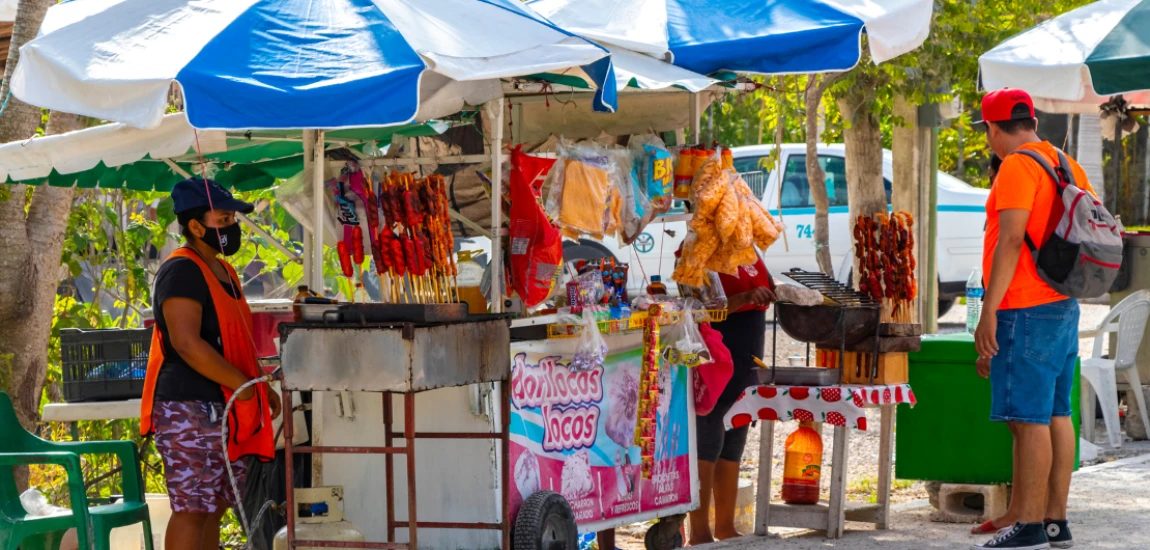
For much of modern tourism history, decision-making power has been concentrated far from the destinations themselves. Global booking platforms, international tour operators, and algorithm-driven marketplaces have dictated pricing, visibility, and travel demand. While these systems made travel accessible, they also stripped communities of control—leading to overcrowding, cultural dilution, and economic leakage.
Decentralized tourism economies represent a structural shift away from this imbalance. Instead of tourism being shaped by external platforms, local communities now use technology to decide how many visitors arrive, when they arrive, where they go, and how tourism revenue is distributed. This is not a rejection of technology—it is a reappropriation of it.
By combining digital governance, shared ownership platforms, and real-time data, destinations are building tourism models that serve residents first and visitors second. The result is a more resilient, ethical, and human-centered travel economy.
Understanding Decentralized Tourism Economies

What Decentralization Means in Tourism
Decentralized tourism economies distribute authority across many local actors rather than placing it in the hands of a single platform or institution. Decision-making power is shared among residents, cooperatives, small businesses, local governments, and cultural organizations. Technology provides the infrastructure, but governance remains local.
This decentralization allows communities to regulate tourism growth based on environmental limits, social tolerance, and economic needs rather than global demand spikes.
Why Centralized Tourism Models Are Breaking Down
Centralized tourism systems prioritize scale and efficiency, often at the expense of sustainability. Algorithms amplify popular destinations, accelerating over-tourism while neglecting local capacity. Revenue flows outward, while residents absorb rising rents, congestion, and cultural disruption.
Decentralized tourism economies emerge as a corrective mechanism—rebalancing incentives so tourism development aligns with long-term community well-being.
Technology as an Empowerment Tool
In decentralized models, technology supports transparency, coordination, and adaptability. Open-source platforms, shared data systems, and community-controlled interfaces replace opaque algorithms. Control shifts from optimization for clicks to stewardship for place.
How Technology Enables Community Control

Blockchain and Transparent Economic Flows
Blockchain enables transparent tracking of tourism revenue, ensuring fair distribution among guides, hosts, artisans, conservation projects, and municipal services. Smart contracts automate payments based on pre-agreed rules, eliminating intermediaries that traditionally siphon profits.
This transparency builds trust between visitors and communities.
Community-Owned Digital Marketplaces
Instead of relying on multinational booking platforms, communities are launching cooperative marketplaces owned by local stakeholders. These platforms prioritize locally owned accommodations, experiences, and transport options.
Control over listings means communities decide what type of tourism they welcome—and what they refuse.
Real-Time Data for Adaptive Decision-Making
Sensors, mobility data, and visitor analytics allow destinations to monitor crowd density, environmental stress, and resident sentiment in real time. Communities can adjust access rules, pricing, or event scheduling dynamically.
Tourism becomes a managed system, not an uncontrolled surge.
Managing Travel Demand Without Over-Tourism

Dynamic Access and Capacity Management
Decentralized tourism economies use digital permits, reservation systems, and time-based access to manage visitor flow. Entry limits are adjusted based on infrastructure strain, weather conditions, or local events.
This proactive approach prevents damage rather than reacting after harm occurs.
Pricing That Reflects Environmental and Social Cost
Instead of uniform pricing, decentralized systems apply demand-sensitive fees that reflect true impact. Peak-season access may cost more, with proceeds funding conservation, maintenance, or resident services.
Visitors contribute to preservation, not degradation.
Redistributing Demand Spatially and Temporally
Technology directs travelers toward lesser-known neighborhoods, alternative routes, and off-peak times. This spreads economic benefit while reducing pressure on iconic sites.
Tourism demand becomes diffused rather than concentrated.
Economic Benefits of Decentralized Tourism Economies

Keeping Value Within Local Systems
When communities own platforms, revenue circulates locally. Money supports schools, infrastructure, healthcare, and cultural preservation rather than leaving the destination.
This creates long-term economic resilience.
Empowering Small and Informal Businesses
Decentralized platforms lower barriers for local entrepreneurs—guides, artists, farmers, and craftspeople—to participate in tourism without heavy fees or platform dependency.
Tourism becomes inclusive rather than extractive.
Building Economic Shock Resistance
Diversified, community-controlled tourism models are less vulnerable to global disruptions. When one market declines, communities can adapt quickly without waiting for external platforms.
Resilience replaces fragility.


Shivya Nath authors "The Shooting Star," a blog that covers responsible and off-the-beaten-path travel. She writes about sustainable tourism and community-based experiences.
Shivya Nath

Prev Post

Next Post