
Dark Sky Tourism Initiatives: Exploring Stargazing Destinations with Minimal Light Pollution
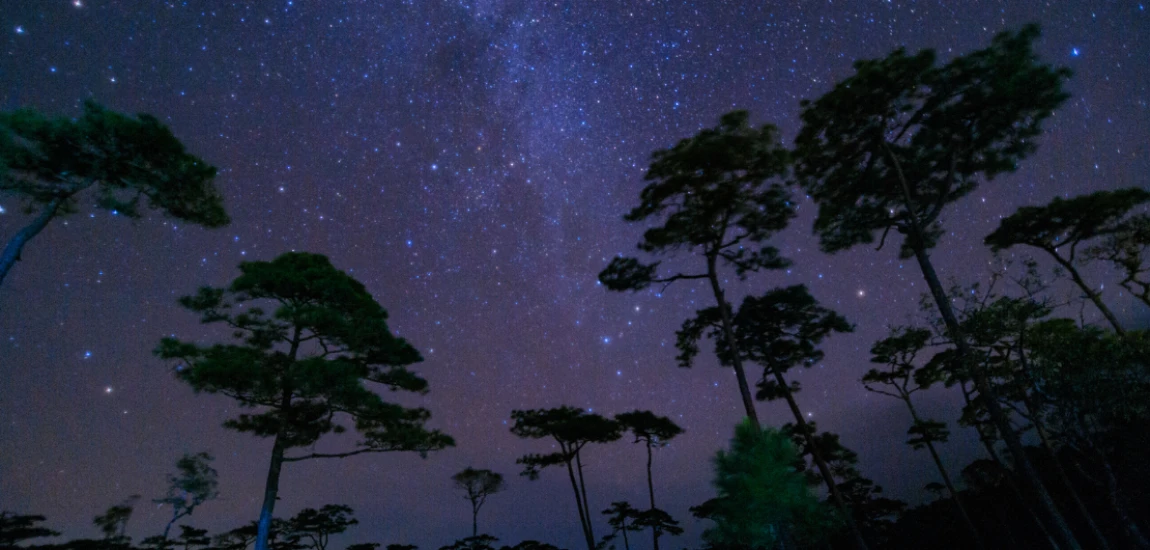
In a world increasingly illuminated by artificial lights, the natural beauty of the night sky is becoming a rare treasure. Dark sky tourism initiatives aim to preserve and promote locations where light pollution is minimal, allowing travelers to experience the wonders of the universe in their purest form. From the glowing band of the Milky Way to meteor showers and constellations, these destinations offer breathtaking celestial views.
The rise of dark sky tourism reflects a growing desire for meaningful and immersive travel experiences. Modern travelers are seeking escapes from urban environments, where constant الضوء obscures the stars. Stargazing tourism offers a peaceful and awe-inspiring alternative, reconnecting people with nature and the cosmos.
Beyond its visual appeal, dark sky tourism has scientific, cultural, and environmental significance. It raises awareness about light pollution and its impact on ecosystems, انسانی health, and astronomical research. By promoting responsible lighting practices, these initiatives contribute to environmental conservation.
For travelers, the experience goes beyond simply looking at stars. It involves learning about astronomy, understanding celestial phenomena, and appreciating the vastness of the universe. Whether you are an amateur stargazer or an experienced astrophotographer, dark sky tourism offers unforgettable experiences under the night sky.
Understanding Dark Sky Tourism Initiatives

What Are Dark Sky Initiatives?
Dark sky tourism initiatives are efforts aimed at preserving areas with low levels of artificial light. These initiatives often involve designating regions as dark sky parks, reserves, or sanctuaries. Organizations work with local communities to implement lighting regulations that reduce glare and skyglow.
These areas provide ideal conditions for stargazing, making them popular among tourists and astronomers alike. They are carefully managed to maintain their natural darkness while still accommodating visitors.
The Role of Conservation and Policy
Government policies and conservation programs play a crucial role in supporting dark sky tourism. قوانين regulating outdoor lighting help reduce unnecessary illumination, preserving the ночное небо.
Communities participating in these initiatives often adopt eco-friendly practices, such as using shielded lights and limiting الضوء during nighttime hours. These measures benefit both the environment and tourism.
Why Dark Skies Matter
Dark skies are essential for both ecological balance and human well-being. Many wildlife species rely on natural darkness for navigation and reproduction. Excessive artificial lighting can disrupt these patterns.
For humans, exposure to natural darkness supports healthy sleep cycles and reduces stress. Dark sky tourism initiatives highlight these benefits, encouraging sustainable living practices.
Top Dark Sky Destinations Around the World

Deserts and Remote Landscapes
Deserts are among the best places for stargazing due to their dry climates and lack of light pollution. The Atacama Desert in Chile is considered one of the top stargazing destinations in the world, offering crystal-clear views of the Milky Way.
Similarly, Wadi Rum in Jordan provides a magical desert setting where travelers can experience the night sky in its full glory. These locations combine natural beauty with exceptional visibility.
Protected Parks and Reserves
Many national parks and reserves have been designated as dark sky areas. Jasper National Park in Canada and Aoraki Mackenzie in New Zealand are renowned for their संरक्षण efforts and stunning night skies.
These locations often host astronomy events, guided tours, and educational programs, making them accessible to visitors of all levels.
Hidden Gems for Stargazing
In addition to famous destinations, there are countless lesser-known locations that offer excellent stargazing opportunities. Rural areas, mountains, and coastal regions often have minimal light pollution, making them ideal for dark sky tourism.
Exploring these hidden gems allows travelers to enjoy quieter, more intimate experiences.
Cultural and Scientific Importance of Stargazing

Historical Connection to the Stars
Throughout history, humans have looked to the stars for guidance, storytelling, and inspiration. Ancient civilizations used constellations for navigation and timekeeping. These traditions are deeply embedded in cultures around the world.
Dark sky tourism allows travelers to reconnect with this historical relationship, experiencing the night sky as our ancestors did.
Astronomy and Scientific Discovery
Dark skies are essential for astronomical research. Observatories are often located in remote areas to minimize light interference. Stargazing tourism helps promote interest in astronomy and science.
Visitors can learn about planets, stars, and galaxies through guided tours and telescopic observations.
Cultural Events and Festivals
Many destinations host stargazing festivals and events, celebrating the beauty of the night sky. These events often include workshops, лекции, and cultural performances, creating a rich and engaging experience.
The Unique Experience of Stargazing Travel

Immersive Nighttime Experiences
Stargazing offers a unique opportunity to experience nature at night. The quiet, спокойствие of dark sky locations creates a sense of wonder and tranquility.
Travelers often combine stargazing with camping, hiking, or desert сафари, enhancing the overall experience.
Astrophotography Opportunities
Dark sky destinations are ideal for astrophotography. Clear skies and minimal light pollution allow photographers to capture stunning images of celestial objects.
This has made dark sky tourism increasingly popular among photography enthusiasts.
Educational and Guided Tours
Many dark sky locations offer guided tours led by experts. These tours provide valuable insights into astronomy, helping visitors understand what they are seeing.
Educational programs make stargazing accessible and enjoyable for everyone.
Tips for Planning a Dark Sky Tourism Trip

Choosing the Right Location
Selecting a destination with minimal light pollution is key. Researching dark sky parks and reserves can help you find the best locations.
Consider factors such as weather, altitude, and сезон when planning your trip.
Best Time for Stargazing
Timing plays a crucial role in stargazing. New moon phases provide the darkest skies, while meteor showers offer spectacular displays.
Checking astronomical calendars ensures you don’t miss key celestial events.
Essential Gear and Preparation
Proper equipment enhances the stargazing experience. Items such as telescopes, binoculars, and cameras are useful. Warm clothing and comfortable seating are also important.
Being prepared allows you to fully enjoy the night sky.


Known as "Nomadic Matt," Matthew Kepnes offers practical travel advice with a focus on budget backpacking. His blog aims to help people travel cheaper and longer.
Matthew Kepnes

Prev Post

Next Post