
Cultural Resilience Tourism – Protecting Traditions and Local Identity
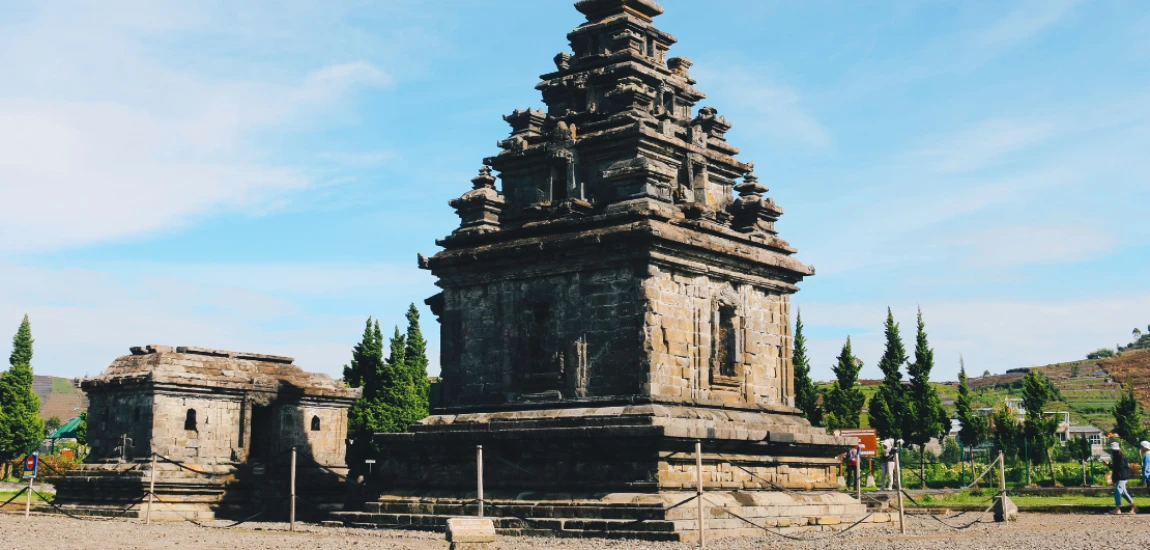
Tourism can create powerful opportunities for cultural exchange. Travelers visit destinations to experience local traditions, taste regional foods, listen to traditional music, explore historic places, learn crafts, and understand the stories that shape communities. However, increasing tourism can also create challenges for local cultures.
Rapid development, commercialization, changing lifestyles, migration, globalization, and mass tourism can place pressure on traditional practices and local identity. Cultural traditions may become simplified for visitors, historic spaces may be transformed primarily for tourism, and younger generations may lose opportunities to learn traditional skills.
Cultural Resilience Tourism offers a way to approach these challenges while recognizing that culture is not simply a tourism product. It is a living part of community identity.
Cultural resilience in tourism focuses on helping communities maintain, adapt, share, and strengthen their cultural traditions while participating in tourism on their own terms. It can support traditional knowledge, local languages, crafts, food systems, music, storytelling, festivals, architecture, and community practices.
Rather than freezing culture in the past, cultural resilience allows traditions to evolve while maintaining meaningful connections to local identity.
When tourism is developed responsibly, it can provide financial and social support for cultural preservation. Local artisans can earn income from their skills, cultural organizations can receive resources, young people can learn traditional practices, and communities can share their stories with visitors.
The goal is to create tourism that strengthens rather than weakens the cultural character of destinations.
Understanding Cultural Resilience Tourism

Cultural Resilience Tourism begins with understanding the relationship between tourism, culture, identity, and community participation.
What Cultural Resilience Means
Cultural resilience refers to the ability of communities to maintain important cultural values and practices while adapting to changing social, economic, environmental, and technological conditions.
In tourism, this means communities can share their culture with visitors without losing control over how that culture is represented.
A traditional craft, for example, can continue evolving while remaining connected to local knowledge. A traditional festival may adapt its organization while preserving its cultural meaning.
Resilience does not require traditions to remain completely unchanged.
Instead, it supports the ability of communities to decide which elements of their culture they want to preserve, adapt, share, or protect from commercialization.
Why Local Identity Matters
Local identity gives destinations their distinct character.
Buildings, food, language, music, clothing, crafts, stories, landscapes, celebrations, and community traditions can create a sense of place that cannot easily be replicated elsewhere.
When destinations lose these characteristics, tourism experiences can become increasingly standardized.
Cultural resilience helps maintain the unique qualities that make destinations meaningful to both residents and visitors.
Moving Beyond Cultural Tourism
Traditional cultural tourism often focuses on museums, monuments, festivals, and historic attractions.
Cultural resilience tourism goes further by considering the people and communities behind these cultural assets.
It asks how tourism affects cultural practitioners, whether communities benefit economically, how traditions are transmitted to younger generations, and whether residents have a meaningful voice in tourism development.
Protecting Living Traditions and Cultural Knowledge

Many cultural traditions survive because knowledge is passed from one generation to another.
Tourism can either support or weaken this process depending on how activities are designed.
Supporting Traditional Skills
Traditional crafts such as weaving, pottery, woodwork, embroidery, carving, metalwork, and basketry can provide important connections between tourism and cultural preservation.
When travelers purchase authentic locally made products, artisans can receive income that supports continued practice.
Workshops can also allow artisans to teach visitors about the skills and stories behind their crafts.
However, cultural products should not be treated as generic souvenirs. The identity and knowledge of the makers should be respected.
Preserving Oral Traditions and Storytelling
Stories are an important part of cultural identity.
Local legends, historical memories, family stories, traditional songs, and community narratives can provide visitors with deeper insights into a destination.
Community-led storytelling can help ensure that these narratives are presented by people who understand their cultural context.
Digital tools can also help document stories for future generations when communities choose to preserve them.
Encouraging Intergenerational Learning
Young people play an important role in cultural resilience.
Tourism programs can create opportunities for younger community members to learn traditional skills from elders.
Apprenticeships, cultural workshops, community events, and local tourism businesses can create pathways for knowledge transfer.
When cultural knowledge provides both social value and economic opportunity, younger generations may have stronger incentives to continue these traditions.
Strengthening Communities Through Cultural Tourism

Cultural resilience depends heavily on community participation. Tourism should not simply extract cultural value from a destination; it should create meaningful opportunities for local people.
Creating Local Economic Opportunities
Tourism can provide income for artisans, guides, performers, cooks, cultural educators, farmers, storytellers, and community organizations.
Keeping tourism spending within local communities can strengthen the economic foundations that support cultural preservation.
For example, visitors participating in a locally operated craft workshop may directly support the person who maintains that craft.
This creates a connection between tourism spending and cultural continuity.
Supporting Community Ownership
Communities should have meaningful participation in decisions about how their culture is presented to visitors.
Community-owned tourism businesses, cooperatives, cultural organizations, and local experience networks can provide greater control over tourism development.
Ownership structures can also help ensure that tourism revenue supports community priorities.
Balancing Visitor Interest With Community Needs
Not every cultural practice should become a tourism attraction.
Some traditions may be private, sacred, seasonal, or inappropriate for commercial presentation.
Cultural resilience tourism recognizes these boundaries.
Communities should be able to determine which experiences can be shared, under what conditions, and with whom.
Respecting these decisions helps maintain trust between tourism stakeholders and local residents.
Protecting Cultural Landscapes and Heritage Places

Cultural identity is often connected to physical places. Historic neighborhoods, villages, religious sites, agricultural landscapes, markets, traditional houses, and public spaces can all contribute to local identity.
Conserving Historic Environments
Tourism revenue can help fund the conservation of historic buildings and cultural sites.
However, development must be carefully managed.
Replacing traditional architecture with standardized tourism infrastructure can weaken the visual identity of a destination.
Heritage-sensitive tourism planning can encourage adaptive reuse, conservation, traditional materials, and development that respects existing cultural landscapes.
Managing Visitor Pressure
Popular cultural sites can experience overcrowding, physical damage, noise, waste, and changes in community use.
Visitor management strategies can help protect these places.
Timed entry, visitor limits, alternative routes, seasonal management, guided access, and community-based monitoring can reduce pressure.
The objective is to allow meaningful visitor access without compromising the long-term condition of cultural sites.
Maintaining Traditional Neighborhoods
Historic neighborhoods are not simply collections of buildings. They are living communities.
Tourism planning should consider residents' access to housing, services, public spaces, and everyday community life.
A neighborhood can become culturally weaker if residents are displaced by excessive tourism-oriented development.
Cultural resilience therefore requires protecting both heritage structures and the communities that give them meaning.


Shivya Nath authors "The Shooting Star," a blog that covers responsible and off-the-beaten-path travel. She writes about sustainable tourism and community-based experiences.
Shivya Nath

Prev Post
Next Post