
Cultural Identity Protection – Preserving Traditions While Tourism Expands
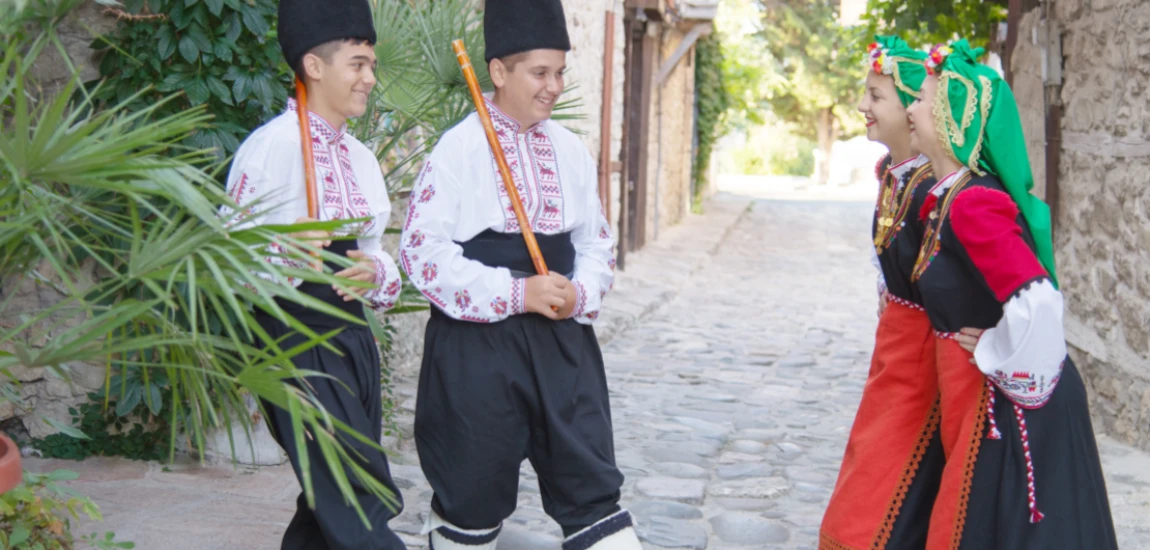
Tourism can create powerful connections between people, cultures, and places. Travelers visit destinations to experience different traditions, taste local food, explore historic places, learn about cultural practices, and meet local communities. Tourism can generate income for artisans, cultural organizations, guides, performers, restaurants, and small businesses while creating opportunities to share local heritage with visitors.
However, tourism growth can also create challenges for cultural identity. When visitor numbers increase rapidly, traditions may become commercialized, cultural practices may be changed to satisfy tourist expectations, historic neighborhoods may lose their original character, and younger generations may move away from traditional occupations. Local languages, crafts, ceremonies, food traditions, storytelling, and community practices can become less common when economic and social pressures encourage communities to adopt outside influences.
This makes cultural identity protection an important part of sustainable tourism development. Cultural identity protection means creating strategies that allow communities to preserve their traditions and values while participating in tourism and gaining economic benefits from visitors.
The objective is not to prevent cultural change. Cultures have always evolved through interaction, migration, technology, and changing social conditions. The challenge is ensuring that tourism does not control this change or reduce living cultures to performances created only for visitors.
Successful cultural tourism should allow communities to decide what they share, how they share it, and how tourism revenue is distributed. Local people should have a meaningful role in tourism planning and cultural representation.
Tourism can actually become a tool for cultural preservation when it creates economic value for traditional skills, supports local artists and artisans, funds heritage conservation, encourages younger generations to learn traditional practices, and increases appreciation for local history.
By putting communities at the center of tourism development, destinations can create experiences that are authentic, respectful, and economically beneficial while protecting the cultural foundations that make them unique.
Understanding Cultural Identity Protection

What Cultural Identity Means
Cultural identity includes the traditions, values, beliefs, languages, food, crafts, music, architecture, stories, customs, celebrations, and social practices that give a community its distinctive character.
Some aspects of cultural identity are visible, such as traditional clothing, buildings, festivals, crafts, and cuisine. Other elements are less visible, including oral traditions, community knowledge, social relationships, ceremonies, and local ways of understanding the environment.
Tourism often focuses on visible cultural assets because they are easier to present to visitors. However, protecting cultural identity requires attention to both tangible and intangible heritage.
A historic building may be preserved physically, but its cultural meaning can disappear if the stories and traditions associated with it are forgotten.
Cultural identity protection therefore needs a comprehensive approach that values both physical heritage and living cultural practices.
Why Tourism Can Influence Culture
Tourism creates regular interactions between residents and visitors.
These interactions can produce positive cultural exchange, but they can also influence local lifestyles and economic priorities.
If tourists strongly demand a particular type of food, performance, souvenir, or cultural activity, businesses may modify traditional practices to meet that demand.
Over time, practices may become simplified or standardized.
The issue is not that cultural traditions should never change. Instead, communities should retain control over how cultural practices evolve and how they are represented.
Protecting Culture Without Freezing It
Cultural preservation should not mean treating communities as museum exhibits.
Living cultures naturally change.
Young people may combine traditional practices with modern technology. Artisans may use new materials. Traditional food may be presented in contemporary ways.
Innovation can actually help traditions survive.
The key is maintaining cultural meaning, community ownership, and authenticity while allowing traditions to adapt naturally.
Tourism should support this process rather than forcing culture into a fixed image created for visitors.
Preserving Traditional Knowledge and Skills

Supporting Local Artisans and Craftspeople
Traditional crafts are an important part of cultural identity.
Pottery, weaving, embroidery, woodwork, metalwork, carving, basketry, jewelry, textile production, and other traditional skills often carry knowledge passed between generations.
Tourism can create demand for these products and provide income for artisans.
However, mass-produced imitations can undermine traditional craftsmanship.
Destinations can help protect authentic crafts by promoting locally produced products, developing artisan markets, providing training, and educating visitors about the origins and meaning of traditional items.
Fair pricing is also important.
Artisans should receive a meaningful share of the value generated by their work.
Passing Knowledge to Younger Generations
Traditional skills can disappear when younger generations see little economic or social value in learning them.
Tourism can help change this situation by creating opportunities for young people to learn from experienced craftspeople, cooks, musicians, storytellers, and cultural practitioners.
Apprenticeship programs, workshops, community cultural centers, and school programs can support intergenerational knowledge transfer.
Young people can also use digital tools to promote traditional practices.
Social media, online marketplaces, video tutorials, and digital storytelling can help traditional knowledge reach new audiences while creating potential income opportunities.
Creating Sustainable Markets for Traditional Products
Cultural preservation becomes stronger when traditional skills provide sustainable livelihoods.
Tourism businesses can purchase locally produced crafts, textiles, food products, decorations, and cultural goods.
Hotels can display locally made artwork. Restaurants can source traditional ingredients. Tour operators can include artisan workshops in visitor experiences.
These connections create a market for cultural products without requiring communities to depend entirely on cultural performances.
When traditional skills become economically valuable, there is greater incentive to maintain them across generations.
Protecting Language, Cuisine, and Living Heritage

Preserving Local Languages
Language is one of the strongest expressions of cultural identity.
Local languages often contain historical knowledge, stories, expressions, place names, and cultural concepts that may not have direct equivalents in other languages.
Tourism can support language preservation by incorporating local language into signage, cultural tours, exhibitions, visitor materials, and community experiences.
Visitors can also be encouraged to learn simple local words and phrases.
This creates respectful cultural interaction rather than replacing local languages with international languages everywhere.
Digital resources can further support preservation by recording oral histories, traditional stories, songs, and local vocabulary.
Celebrating Traditional Cuisine
Food provides an accessible way for travelers to experience culture.
Traditional recipes often reflect local agriculture, geography, history, religion, migration, and family traditions.
Restaurants, hotels, markets, food tours, and cooking workshops can introduce visitors to authentic local cuisine.
However, traditional food can lose its identity when recipes are changed extensively to suit outside preferences.
Communities should have control over how their cuisine is presented.
Food tourism can also support local farmers, fishermen, producers, bakers, and food artisans.
This creates an economic connection between cultural preservation and local livelihoods.
Protecting Festivals and Community Traditions
Festivals, ceremonies, music, dance, storytelling, and religious or community events can attract tourists.
However, not every cultural practice should automatically become a tourism product.
Some traditions may be private, sacred, or restricted to community members.
Communities should decide which practices can be shared publicly and which should remain protected.
When festivals are opened to visitors, tourism organizers should ensure that visitor behavior does not interfere with the cultural purpose of the event.
Respect should always come before entertainment.
Making Communities the Leaders of Cultural Tourism

Giving Local People Decision-Making Power
Cultural tourism is more sustainable when communities have meaningful control.
Residents should participate in decisions about tourism development, cultural representation, visitor behavior, event programming, and revenue distribution.
Community tourism organizations, cultural councils, cooperatives, and local advisory groups can provide structures for participation.
Local knowledge can help tourism planners avoid mistakes that outsiders may not recognize.
Community involvement also increases the likelihood that tourism reflects local priorities.
Ensuring Fair Distribution of Tourism Revenue
Cultural tourism can generate income, but the benefits should reach the people who maintain and share the culture.
Tour guides, artisans, performers, cooks, farmers, cultural organizations, and community businesses should receive fair compensation.
Revenue-sharing systems can help distribute tourism income more widely.
Destinations can also reinvest tourism revenue into cultural centers, heritage conservation, education, community infrastructure, and traditional skills programs.
When residents see direct benefits from tourism, they may have stronger incentives to participate in cultural preservation.
Establishing Cultural Protection Guidelines
Tourism organizations can work with communities to create guidelines for respectful cultural tourism.
These may address photography, dress, access to sacred spaces, participation in ceremonies, treatment of cultural objects, purchasing practices, and appropriate visitor behavior.
Guidelines should be communicated clearly before and during visits.
Tour guides can also explain cultural expectations.
The purpose is not to restrict meaningful cultural exchange but to create respectful relationships between visitors and host communities.


Gilbert Ott, the man behind "God Save the Points," specializes in travel deals and luxury travel. He provides expert advice on utilizing rewards and finding travel discounts.
Gilbert Ott

Prev Post

Next Post