
Cultural Heritage Regeneration Systems: Combining Tourism Innovation with Traditional Knowledge and Cultural Preservation
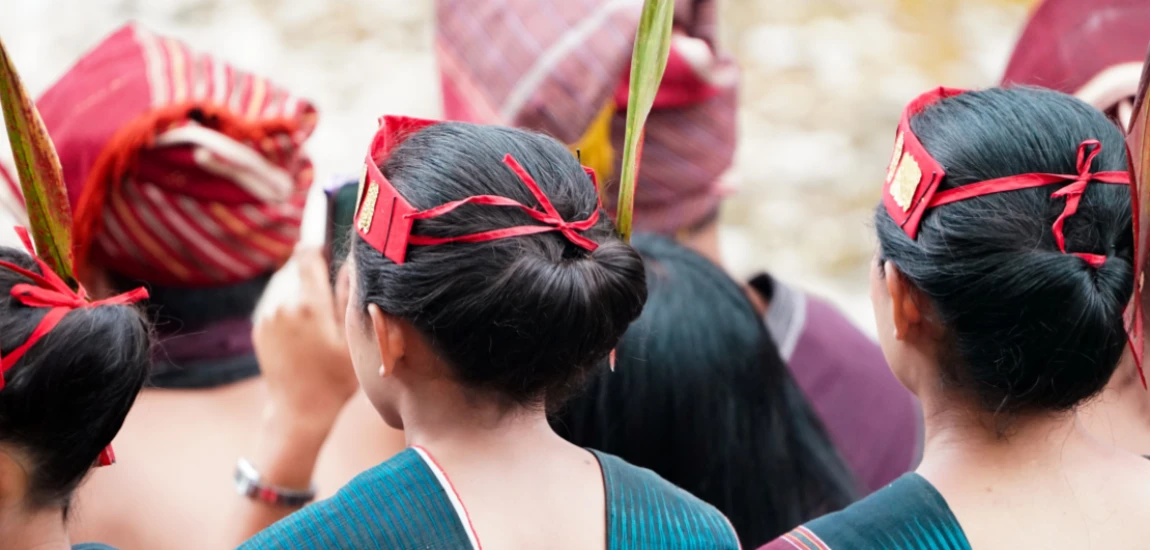
Cultural heritage gives destinations their distinctive identity. Historic buildings, traditional crafts, local languages, music, food, festivals, and community knowledge connect present generations with their past. These cultural assets attract visitors while providing communities with a sense of belonging, continuity, and pride. However, tourism growth, urban development, changing lifestyles, and environmental pressures can threaten the traditions and places that make destinations unique.
Cultural Heritage Regeneration Systems provide a framework for protecting and revitalizing cultural heritage while creating responsible opportunities for tourism development. They combine traditional knowledge, community leadership, conservation practices, and modern innovation to ensure that cultural resources remain meaningful and valuable for future generations.
Rather than treating heritage as a static attraction, regeneration systems support living cultural practices and the people who maintain them. Digital archives, interactive interpretation, traditional construction techniques, community-led tours, and sustainable business models can help connect visitors with authentic cultural experiences.
Successful cultural heritage regeneration places communities at the center of decision-making. Tourism should strengthen cultural continuity, provide fair economic opportunities, and protect heritage from inappropriate commercialization.
Understanding Cultural Heritage Regeneration Systems

What Are Cultural Heritage Regeneration Systems?
Cultural heritage regeneration systems are coordinated approaches to protecting, restoring, and revitalizing cultural assets while supporting the communities connected to them. These systems include historic-site conservation, traditional knowledge documentation, cultural education, sustainable tourism planning, and community-based economic development.
For example, a historic village may combine the restoration of traditional buildings with craft workshops, locally guided walking tours, and cultural storytelling. Visitors gain a deeper understanding of the destination, while residents can earn income through activities that maintain local traditions.
Regeneration differs from simply preserving a building or displaying an artifact. It considers how cultural heritage continues to function within community life. A traditional craft, for instance, remains stronger when skilled practitioners can teach apprentices, obtain materials, earn a fair income, and pass their knowledge to future generations.
Why Regeneration Matters for Tourism
Tourism can provide funding, employment, and wider recognition for cultural heritage. However, poorly managed development can lead to overcrowding, damage to historic sites, displacement of residents, and the commercialization of sacred or sensitive traditions.
Cultural heritage regeneration systems help destinations balance visitor access with conservation and community wellbeing. They encourage tourism businesses to work with cultural custodians, local historians, artisans, and residents rather than making decisions without their involvement.
The ultimate goal is to ensure that tourism supports living heritage instead of reducing culture to a product designed exclusively for visitors.
Protecting Traditional Knowledge and Living Heritage

Preserving Knowledge Across Generations
Traditional knowledge includes craft techniques, oral histories, agricultural practices, food preparation, music, architecture, ecological understanding, and community customs. Much of this knowledge is passed from person to person through observation, participation, and storytelling rather than written records.
Tourism can help support this transmission when experienced practitioners receive fair payment to teach workshops, demonstrate skills, and mentor younger community members. Cultural centers and local organizations can also create apprenticeship programs that connect traditional knowledge holders with new generations.
Documentation can complement these activities through interviews, recordings, photographs, and carefully managed archives. However, documentation alone cannot replace active practice. Traditions remain stronger when communities have the resources and opportunities to continue using them in everyday life.
Respecting Cultural Ownership and Consent
Not every cultural practice should be publicly displayed or digitally recorded. Some knowledge may be sacred, private, restricted to certain community members, or connected to collective cultural rights.
Before creating tourism experiences or digital archives, organizations should consult the people who hold and maintain the relevant knowledge. Communities should determine what may be shared, how it is presented, and whether commercial use is appropriate.
Clear agreements can establish permissions, payment arrangements, attribution, and restrictions on photography or reproduction. Respecting these boundaries builds trust and prevents cultural regeneration from becoming a process of extracting knowledge without returning benefits to its owners.
Combining Tourism Innovation with Heritage Conservation

Using Digital Technology to Support Preservation
Digital tools can help document and interpret heritage through virtual tours, interactive maps, 3D models, digital archives, and multimedia storytelling. These tools may provide access to historical information while reducing pressure on fragile sites.
For example, a digital reconstruction can explain how a historic building looked before deterioration, while an audio guide can share stories from local historians and residents. Virtual experiences may also introduce remote audiences to a destination before they decide to visit.
Technology should complement physical conservation rather than replace it. A digital model cannot repair a damaged monument, maintain a traditional craft, or sustain the community relationships that give heritage its meaning.
Designing Meaningful Visitor Experiences
Tourism innovation can make heritage more engaging through guided interpretation, participatory workshops, cultural routes, local food experiences, and educational programs. These activities help visitors understand the historical and social context behind the places they explore.
For instance, a community-led craft experience can explain the origin of a design, the materials used, and the cultural meaning associated with a technique. Visitors may gain a more meaningful experience while artisans receive income and opportunities to teach their skills.
The most effective innovations are developed with cultural custodians and tested for their effects on authenticity, conservation, and visitor behavior. New technology and creative formats should strengthen heritage understanding rather than turn cultural practices into superficial entertainment.
Empowering Local Communities Through Heritage Tourism

Creating Community-Led Tourism Opportunities
Residents should play a central role in deciding how their heritage is presented and managed. Community-led tourism allows local people to guide visitors, operate cultural centers, sell traditional products, organize festivals, and provide accommodation or food experiences.
These activities can diversify local income and help younger residents see economic opportunities in maintaining cultural traditions. Community organizations may also establish cooperative businesses that share marketing costs and distribute benefits among participating households.
Successful initiatives require training, accessible financing, clear responsibilities, and reliable links with tourism markets. External tourism operators can contribute expertise, but partnerships should respect local decision-making and avoid concentrating control in the hands of a small number of businesses.
Ensuring Fair Economic Benefits
Tourism revenue does not automatically reach the people responsible for maintaining cultural heritage. Large operators may receive most of the income while artisans, performers, and community organizations receive limited compensation.
Destinations can address this imbalance through fair payment agreements, local procurement policies, transparent ticket revenue allocation, and opportunities for community enterprises to participate in tourism planning.
Managers should monitor who receives tourism income, whether cultural practitioners can sustain their work, and whether residents remain comfortable with visitor activity. Heritage regeneration is more effective when economic benefits support the continued practice of culture rather than encouraging its overuse.


Derek Baron, also known as "Wandering Earl," offers an authentic look at long-term travel. His blog contains travel stories, tips, and the realities of a nomadic lifestyle.
Derek Baron

Prev Post
Next Post