
Cultural Continuity Tourism – Supporting Traditions Through Responsible Tourism
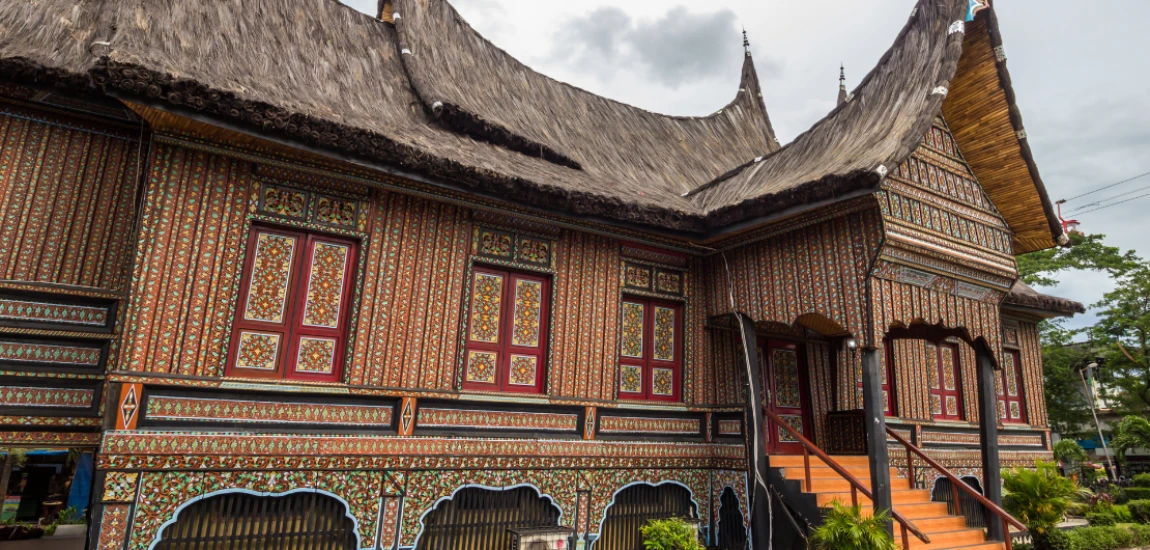
Tourism can be a powerful way to discover cultures, learn about traditions, and connect with communities. However, tourism can also create pressure on cultural practices when traditions are changed, commercialized, or presented only for visitor entertainment. As destinations become more popular, communities face the challenge of welcoming travelers while protecting the cultural identity that makes their places unique.
This is where Cultural Continuity Tourism becomes important.
Cultural Continuity Tourism focuses on supporting the ongoing practice and transmission of traditions rather than simply displaying culture as a tourist attraction. It encourages tourism that helps communities maintain their languages, crafts, food traditions, music, festivals, stories, ceremonies, architecture, and local knowledge.
The central idea is simple: tourism should contribute to living culture instead of replacing or weakening it.
Responsible tourism can provide communities with financial resources, new audiences, employment opportunities, and incentives to continue cultural practices. When visitors purchase authentic local crafts, participate respectfully in cultural experiences, learn traditional skills, or support community-owned tourism businesses, tourism can contribute directly to cultural continuity.
At the same time, cultural preservation requires community control. Local people should have a meaningful role in deciding what is shared with visitors, how traditions are presented, and how tourism revenue is distributed.
Cultural Continuity Tourism therefore creates a balance between visitor experiences and community priorities. It recognizes that culture is not simply something from the past. It is living, changing, and continuously practiced by people today.
Understanding Cultural Continuity Tourism

What Is Cultural Continuity Tourism?
Cultural Continuity Tourism is a responsible tourism approach that supports communities in maintaining and passing cultural traditions from one generation to another.
Rather than treating heritage as something that exists only in museums or historical buildings, this approach focuses on living culture.
Traditional cooking, storytelling, music, dance, crafts, clothing, language, farming practices, festivals, and community celebrations can all become part of cultural continuity.
Tourism can provide financial support for these activities while creating opportunities for visitors to learn directly from local communities.
Why Cultural Continuity Matters
Globalization, migration, modernization, changing lifestyles, and economic pressures can make it difficult for traditional practices to survive.
Younger generations may move away from traditional occupations if they provide limited economic opportunities.
Responsible tourism can help change this situation by creating sustainable markets for cultural products and experiences.
For example, if traditional artisans can earn a reasonable income from their skills, younger community members may see value in learning those skills rather than abandoning them.
Moving Beyond Cultural Tourism
Traditional cultural tourism often focuses on sightseeing and consuming cultural attractions.
Cultural Continuity Tourism goes further by asking whether tourism contributes to the survival and development of the culture itself.
The objective is not simply to show visitors a traditional dance or craft. It is to ensure that the people who practice that tradition have the resources, recognition, and freedom to continue it.
This creates a more respectful relationship between tourism and cultural heritage.
Supporting Traditional Crafts and Cultural Skills

Protecting Traditional Craftsmanship
Traditional crafts are important expressions of cultural identity.
Textiles, pottery, woodwork, embroidery, jewelry, weaving, carving, basketry, painting, and other crafts often contain knowledge passed down through generations.
Tourism can create markets for these products, helping artisans earn income from their skills.
However, responsible tourism should avoid turning crafts into cheap mass-produced souvenirs.
Visitors should be encouraged to purchase authentic products directly from artisans or trusted community businesses.
Encouraging Younger Generations to Learn
Cultural continuity depends heavily on knowledge transfer.
If traditional skills are practiced only by older generations, they may gradually disappear.
Tourism can create opportunities for workshops, apprenticeships, cultural schools, and community learning programs.
Young people can learn traditional techniques while also developing modern skills such as digital marketing, business management, photography, and online sales.
This combination can make cultural entrepreneurship more attractive to younger generations.
Creating Fair Markets for Local Artisans
Fair compensation is essential.
If visitors pay premium prices for cultural products but artisans receive only a small portion of the revenue, tourism is not effectively supporting cultural continuity.
Destination managers and tourism businesses can develop fair-trade partnerships, transparent pricing systems, artisan cooperatives, and direct-sales opportunities.
This helps ensure that tourism revenue reaches the people responsible for maintaining cultural traditions.
Preserving Language, Food, Music, and Local Knowledge

Protecting Indigenous and Local Languages
Language is one of the strongest forms of cultural identity.
Traditional stories, songs, expressions, place names, and knowledge can be lost when local languages decline.
Tourism can support language continuity by incorporating local languages into cultural experiences, signage, storytelling, workshops, and community-led tours.
Visitors can also be encouraged to learn basic local words and expressions.
This creates respectful cultural exchange rather than treating language as simply an attraction.
Promoting Traditional Food Culture
Food is another powerful way to maintain cultural traditions.
Traditional recipes often contain knowledge about local ingredients, agriculture, seasons, family history, and community identity.
Restaurants, food markets, cooking classes, culinary tours, and community kitchens can help keep traditional food practices alive.
Tourism businesses can source ingredients from local producers and work with community cooks to create authentic culinary experiences.
This supports both cultural preservation and local economic development.
Supporting Music, Dance, and Storytelling
Music, dance, oral history, and storytelling can provide communities with opportunities to share their heritage.
Community-led performances can create income while introducing visitors to local traditions.
However, these performances should remain meaningful to the community rather than becoming purely commercial entertainment.
Communities should have control over what stories, ceremonies, songs, and performances are appropriate to share publicly.


Shivya Nath authors "The Shooting Star," a blog that covers responsible and off-the-beaten-path travel. She writes about sustainable tourism and community-based experiences.
Shivya Nath

Prev Post

Next Post