
Cultural Continuity Tourism – How Travel Can Help Preserve Indigenous Knowledge, Traditional Skills, Cuisine, and Living Heritage
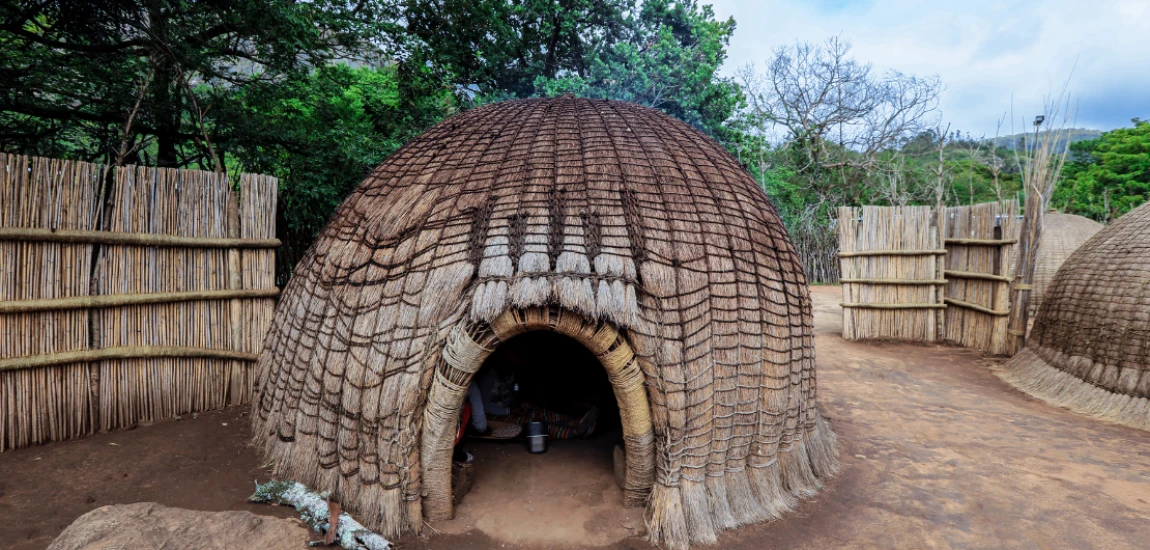
Tourism is often described as a way to discover new places, but its potential goes far beyond sightseeing. Travel can create opportunities for communities to share their knowledge, traditions, skills, food, stories, and cultural practices with visitors while generating income that helps sustain these traditions for future generations.
This idea is at the heart of cultural continuity tourism.
Cultural continuity tourism focuses on supporting living cultures rather than simply displaying history as something from the past. It recognizes that indigenous knowledge, traditional crafts, local cuisine, storytelling, music, language, agriculture, ceremonies, and everyday practices are continually evolving forms of cultural heritage.
When tourism is designed responsibly and led by communities, it can provide economic incentives for cultural preservation. Visitors can learn directly from knowledge holders, purchase authentic locally made products, participate in appropriate cultural experiences, and support businesses that keep traditional skills economically viable.
However, cultural tourism also carries risks. If traditions are commercialized without consent, simplified for visitors, or taken out of their cultural context, tourism can contribute to cultural erosion rather than preservation.
The future of cultural continuity tourism therefore depends on community ownership, informed participation, respectful visitor behavior, fair economic benefits, and protection of cultural knowledge.
When these principles are followed, travel can become a powerful way to connect visitors with living heritage while helping communities maintain cultural identity and pass valuable knowledge to future generations.
Understanding Cultural Continuity Tourism

What cultural continuity means
Cultural continuity refers to the ongoing transmission of knowledge, values, skills, traditions, stories, practices, and identities from one generation to another.
Unlike heritage that exists only in museums or historical records, living heritage is practiced in everyday life.
A traditional recipe prepared by families, a craft taught by an experienced artisan, a farming technique passed between generations, or a language spoken within a community can all represent living heritage.
Cultural continuity tourism aims to support these practices without turning them into artificial performances.
Moving beyond cultural sightseeing
Conventional cultural tourism often focuses on monuments, museums, historical buildings, and famous landmarks.
These are valuable, but culture is much broader.
Visitors can experience culture through food, craftsmanship, music, storytelling, architecture, agriculture, local markets, and community life.
Cultural continuity tourism encourages travelers to look beyond famous attractions and engage with the people who actively maintain cultural traditions.
Why tourism can contribute to preservation
Maintaining traditional skills requires time, knowledge, and economic opportunity.
If younger generations cannot earn a livelihood from traditional crafts or cultural practices, these skills may gradually disappear.
Responsible tourism can create markets for these skills.
Visitors can purchase handmade products, attend workshops, hire local guides, enjoy traditional food, and participate in community-approved cultural experiences.
This can make cultural knowledge economically valuable without reducing its importance to tourism alone.
Preserving Indigenous Knowledge Through Responsible Travel

The importance of indigenous knowledge
Indigenous communities often possess extensive knowledge of local landscapes, plants, animals, weather patterns, agriculture, food systems, crafts, and natural resources.
This knowledge may have developed over generations through close relationships with specific environments.
Tourism can create opportunities for communities to share selected knowledge with visitors while strengthening appreciation for local cultures.
However, not all knowledge should be shared publicly.
Some information may be sacred, private, commercially sensitive, or intended only for community members.
Community control over cultural knowledge
Cultural continuity tourism should prioritize community authority.
Communities should determine which stories, practices, locations, ceremonies, and forms of knowledge can be included in tourism experiences.
Visitors and tourism businesses should not assume that everything is available for observation, photography, recording, or commercial use.
Respecting these boundaries is essential for ethical cultural tourism.
Creating economic value for knowledge holders
Local guides, elders, artisans, cooks, farmers, and cultural educators can become important participants in tourism.
Fair compensation recognizes their expertise.
Instead of treating traditional knowledge as free entertainment, tourism businesses can create paid opportunities for knowledge holders to teach, demonstrate, guide, or develop experiences.
This helps connect cultural preservation with sustainable livelihoods.
Traditional Skills and Crafts as Living Heritage

Keeping traditional crafts alive
Traditional crafts can include weaving, pottery, woodwork, carving, embroidery, basketry, metalwork, jewelry, textile production, and many other skills.
Tourism can provide markets for these products.
However, authentic craft tourism should prioritize the people who make the products.
Buying directly from artisans can help ensure that more of the economic value reaches the creators.
Craft workshops and hands-on experiences
Workshops can allow visitors to learn about traditional skills rather than simply purchasing finished products.
A traveler might spend several hours learning weaving techniques, pottery, carving, cooking, or another community-approved skill.
These experiences can create deeper connections between visitors and cultural practitioners.
They also provide artisans with income for teaching their knowledge.
Encouraging younger generations
Tourism can sometimes make traditional skills more attractive to younger people by creating new economic opportunities.
If young artisans can see that traditional craftsmanship can support a viable livelihood, they may be more likely to continue learning from older generations.
This creates an intergenerational connection.
However, traditions should be allowed to evolve. Cultural continuity does not require every product or technique to remain unchanged forever.
Local Cuisine and Food Traditions as Cultural Heritage

Food as a cultural language
Cuisine can reveal a great deal about a community's history, environment, agriculture, migration, and social traditions.
Ingredients, preparation methods, cooking tools, recipes, and dining customs can all carry cultural meaning.
Travelers can experience this heritage through local restaurants, markets, food tours, cooking classes, farm visits, and community meals.
Supporting traditional food systems
Tourism can create demand for locally produced ingredients.
Restaurants that purchase from local farmers, fishers, growers, and food producers can help strengthen regional food systems.
Visitors can contribute by choosing locally owned restaurants and purchasing regional products directly from producers when appropriate.
This creates connections between tourism, agriculture, and cultural preservation.
Protecting the meaning behind recipes
Traditional cuisine should not be reduced to a marketing label.
Food experiences should provide context about where dishes come from and why they matter.
Community cooks and food producers can explain ingredients, techniques, seasonal practices, and cultural stories.
This transforms a meal into an educational experience while recognizing the people who maintain the culinary tradition.


Kate McCulley, the voice behind "Adventurous Kate," provides travel advice tailored for women. Her blog encourages safe and adventurous travel for female readers.
Kate McCulley

Prev Post

Next Post