
Cognitive Recovery Destinations – Places Built to Restore Mental Energy, Not Impress
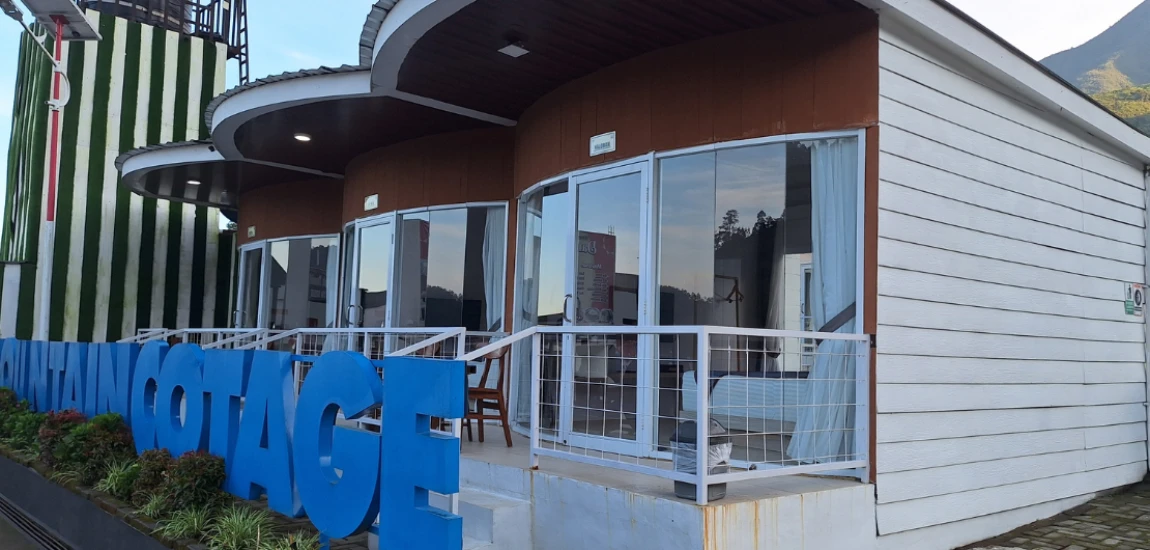
For decades, travel has been designed to stimulate—visually, socially, emotionally, and cognitively. Destinations compete for attention with iconic skylines, packed itineraries, cultural intensity, and constant novelty. While impressive, this model often leaves travelers mentally depleted rather than restored. In response, a quieter but deeply transformative travel philosophy is emerging: cognitive recovery destinations.
Cognitive recovery destinations are places intentionally designed—or naturally suited—to restore mental energy, reduce decision fatigue, and calm overworked cognitive systems. These destinations are not built to impress or overwhelm. Instead, they focus on mental spaciousness, predictability, sensory regulation, and low cognitive demand. As burnout, attention fatigue, and information overload become widespread, travelers are increasingly seeking places that help them think clearly again.
Rather than asking “What can I see or do here?”, cognitive recovery destinations invite a different question: How does this place make my mind feel? The answer defines the future of restorative travel.
Understanding Cognitive Recovery Destinations as a New Travel Category

Cognitive recovery destinations are not simply relaxing or scenic places. They represent a distinct travel category centered on mental restoration, grounded in psychology, neuroscience, and behavioral design.
Cognitive fatigue as the hidden travel cost
Cognitive fatigue occurs when the brain is required to process excessive information, make frequent decisions, or remain in a heightened state of alertness. Traditional travel environments—busy cities, complex transport systems, crowded attractions—demand constant cognitive effort. Even pleasurable experiences can exhaust mental resources when they require sustained attention or interpretation.
Recovery over stimulation
Unlike destinations designed to impress through scale or intensity, cognitive recovery destinations are designed to reduce mental load. This includes simplified navigation, intuitive environments, minimal sensory clutter, and slower rhythms of life. These places allow the brain’s executive functions—planning, decision-making, self-regulation—to rest and recover.
Why this category is growing
Remote work, digital saturation, and continuous partial attention have made mental exhaustion a common baseline. Cognitive recovery destinations appeal to travelers who no longer want vacations that feel like cognitive marathons. Instead, they seek places that gently restore focus, clarity, and emotional steadiness.
Environmental Design That Supports Mental Restoration

The physical environment of a destination plays a decisive role in cognitive recovery. Certain environmental characteristics consistently reduce cognitive strain and support mental energy restoration.
Visual simplicity and coherence
Cognitive recovery destinations tend to feature visually coherent environments—limited visual clutter, consistent architectural styles, and natural color palettes. The brain expends less energy processing these environments, allowing attention systems to reset.
Natural settings and cognitive ease
Nature-rich environments—forests, coastlines, mountains, lakes—are central to cognitive recovery travel. Research consistently shows that natural settings restore directed attention, reduce rumination, and improve mental clarity. These landscapes offer soft fascination rather than forced engagement.
Predictable spatial layouts
Destinations with intuitive layouts, walkable areas, and clear wayfinding reduce navigation stress. Cognitive recovery destinations avoid complex transport systems and chaotic spatial planning, allowing travelers to move without constant problem-solving.
Low-Demand Cultural Experiences That Restore Focus

Cultural engagement does not need to be intense to be meaningful. Cognitive recovery destinations offer cultural experiences that enrich without overwhelming.
Passive cultural immersion
Instead of packed museums or dense historical narratives, cognitive recovery destinations emphasize everyday cultural exposure—local rhythms, simple traditions, quiet rituals. Observing daily life requires less cognitive processing than interpretive or educational experiences.
Familiarity-friendly exploration
These destinations allow travelers to engage at their own pace without pressure to understand or perform culturally. Familiar foods, accessible language environments, and gentle cultural cues reduce mental strain.
Optional depth, not mandatory intensity
Cognitive recovery destinations offer depth as an option rather than a requirement. Travelers can choose when to engage intellectually and when to simply exist, preserving mental energy instead of depleting it.
Accommodation and Hospitality Designed for Cognitive Ease

Where travelers stay can either support or sabotage mental recovery. Cognitive recovery destinations prioritize accommodation design that protects mental bandwidth.
Reduced decision fatigue
Thoughtfully designed accommodations minimize choices—clear lighting controls, intuitive layouts, predictable services. When travelers don’t need to constantly decide or troubleshoot, cognitive load drops significantly.
Sensory regulation over stimulation
Lighting, acoustics, temperature control, and material textures are designed to calm rather than excite. Cognitive recovery destinations avoid dramatic aesthetics that demand attention, favoring environments that fade gently into the background.
Emotional safety and autonomy
Hospitality in cognitive recovery destinations emphasizes autonomy and non-intrusive service. Guests feel supported without being managed, which reduces subconscious vigilance and mental tension.
Slow Pacing and Cognitive Energy Conservation

Time pressure is one of the greatest contributors to cognitive exhaustion. Cognitive recovery destinations intentionally slow the pace of life.
Fewer transitions, longer stays
Frequent movement between locations increases cognitive demand. Cognitive recovery travel favors staying in one place longer, allowing the brain to settle rather than constantly adapt.
Flexible daily rhythms
Rigid schedules are replaced with flexible routines. Travelers are not rushed from activity to activity, reducing time anxiety and performance pressure.
Recovery days as a design principle
Cognitive recovery destinations normalize unstructured days. Doing nothing is not seen as wasted time, but as an essential component of mental restoration.


Gary Arndt operates "Everything Everywhere," a blog focusing on worldwide travel. An award-winning photographer, Gary shares stunning visuals alongside his travel tales.
Gary Arndt

Prev Post

Next Post