
Climate-Resilient Destination Design – Building Tourism Spaces for Future Climate Risks
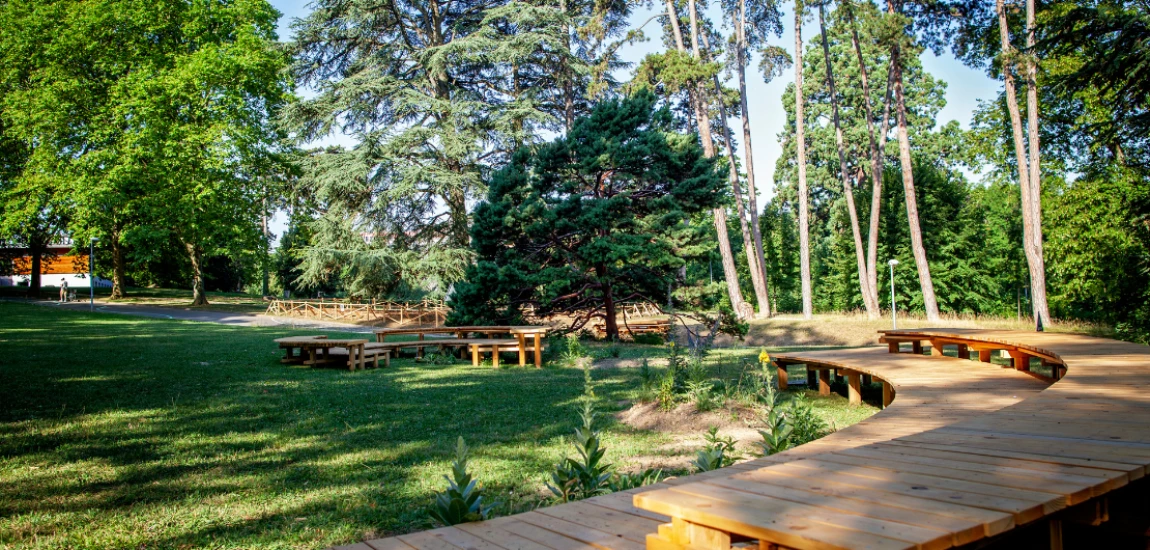
Climate change is transforming the conditions in which tourism destinations operate. Rising temperatures, extreme heat, floods, storms, droughts, wildfires, coastal erosion, water shortages, and changing weather patterns can affect hotels, attractions, transportation systems, public spaces, natural areas, and local communities. Destinations that were designed around historical climate conditions may not be adequately prepared for future risks.
This makes Climate-Resilient Destination Design increasingly important. Instead of designing tourism spaces based only on past weather patterns, climate-resilient planning considers how environmental conditions may change over the coming decades. It focuses on creating destinations that can continue functioning, protecting visitors and residents while reducing damage to infrastructure and natural systems.
Climate resilience does not mean simply constructing stronger buildings. It involves a broader approach that considers land use, architecture, water management, energy systems, transportation, vegetation, public spaces, emergency planning, and ecosystem protection.
For example, a coastal tourism destination may need stronger flood protection and carefully planned development zones. A hot urban destination may require shaded public spaces, cooling infrastructure, trees, reflective materials, and heat-aware visitor routes. A drought-prone destination may need water-efficient hotels, recycled water systems, and alternative landscaping.
The objective is to create tourism spaces that can adapt to changing conditions rather than becoming increasingly vulnerable to them.
Understanding Climate-Resilient Destination Design

What Is Climate-Resilient Destination Design?
Climate-Resilient Destination Design is an approach to planning and developing tourism destinations so they can anticipate, withstand, adapt to, and recover from climate-related risks.
Traditional tourism planning often focuses on attractiveness, accessibility, capacity, and economic development. Climate-resilient planning adds another important question: Can this destination continue to function safely under future environmental conditions?
This requires understanding the climate risks that are relevant to each destination.
A coastal city may face sea-level rise, storm surges, coastal erosion, and flooding. A mountain destination may experience changing snowfall, landslides, wildfires, or water shortages. A tropical destination may face extreme rainfall, hurricanes, heat, and coastal ecosystem degradation.
Climate-resilient design therefore needs to be location-specific.
Why Traditional Tourism Design Is Changing
Tourism infrastructure can remain in use for decades. Hotels, airports, roads, resorts, museums, attractions, and public spaces built today may still be operating many years into the future.
If these assets are designed only for current conditions, they may become increasingly expensive and difficult to operate as climate risks increase.
Climate-resilient design encourages planners to consider future scenarios during the initial design process.
This could include stronger drainage systems, adaptable buildings, water-efficient infrastructure, renewable energy, natural cooling, elevated structures, or flexible public spaces.
Building for Adaptability
Resilience is not only about resisting climate hazards. It is also about being able to adapt.
Tourism facilities should be designed so they can be modified as conditions change.
A building might include infrastructure that allows additional shading, cooling, insulation, water recycling, or renewable-energy capacity to be added later.
Flexible design reduces the risk of expensive reconstruction and allows destinations to respond to new climate information.
Designing Tourism Infrastructure for Climate Risks

Climate-Resilient Hotels and Accommodation
Hotels and resorts are major components of tourism infrastructure. They must remain comfortable and operational even when temperatures, rainfall, or water availability change.
Climate-resilient accommodation can include energy-efficient building envelopes, passive cooling, shaded outdoor areas, efficient air-conditioning, rainwater collection, water-saving fixtures, and renewable energy systems.
Buildings can also be positioned to maximize natural ventilation and reduce exposure to extreme environmental conditions.
Resilient accommodation should consider both guest comfort and operational continuity.
For example, backup energy systems can maintain essential services during power disruptions, while water-storage and recycling systems can support operations during shortages.
Resilient Transportation Systems
Transportation is essential to tourism because visitors need reliable ways to reach and move around destinations.
Roads, railways, airports, ports, and public transportation systems can be affected by flooding, extreme heat, storms, landslides, and other climate hazards.
Climate-resilient transportation planning should identify vulnerable routes and create alternatives where necessary.
Public transportation can also be designed for changing climate conditions. Stations may need shade, ventilation, flood protection, and heat-resistant materials.
Walkways and cycling routes should provide shade and safe surfaces during extreme heat.
Protecting Critical Tourism Infrastructure
Tourism destinations depend on supporting infrastructure such as electricity, water supply, telecommunications, waste management, and emergency services.
A failure in one system can affect the entire tourism economy.
Resilience planning should therefore consider infrastructure as an interconnected network.
For example, an extreme storm can simultaneously disrupt roads, electricity, telecommunications, and water services. Destination managers should plan for these cascading effects rather than treating each system separately.
Climate-Smart Public Spaces and Natural Design

Designing for Extreme Heat
Extreme heat can reduce visitor comfort, increase health risks, and discourage outdoor tourism.
Public spaces should therefore be designed to provide natural and built cooling.
Trees, shaded walkways, green roofs, water-sensitive landscapes, cooling shelters, reflective surfaces, and appropriate building orientation can help reduce heat exposure.
Tourism destinations can also create heat-safe visitor routes connecting hotels, attractions, transportation stations, restaurants, and public spaces.
These routes can encourage visitors to continue exploring while reducing exposure to extreme temperatures.
Using Nature-Based Solutions
Nature can provide important climate protection.
Wetlands can absorb excess water, trees can reduce heat, mangroves can help protect coastlines, and vegetation can reduce soil erosion.
Nature-based solutions can therefore be integrated into tourism design.
Instead of relying entirely on concrete drainage systems, destinations can combine engineered infrastructure with wetlands, rain gardens, permeable surfaces, and natural waterways.
These approaches can provide environmental and recreational benefits at the same time.
Protecting Coastal and Natural Tourism Areas
Many tourism destinations depend on beaches, forests, coral reefs, wetlands, mountains, and other natural attractions.
Climate change can threaten these resources directly.
Coastal development should therefore consider erosion, flooding, and sea-level changes. Natural buffers such as dunes, mangroves, wetlands, and coastal vegetation can provide protection while preserving ecological value.
Protecting natural systems is also a tourism investment because healthy ecosystems often form the foundation of destination attractiveness.
Water and Energy Resilience in Tourism Destinations

Preparing for Water Scarcity
Water shortages can become a major challenge for tourism destinations, especially where visitor demand is concentrated during dry periods.
Hotels and resorts can reduce water consumption through efficient fixtures, smart monitoring, greywater systems, rainwater harvesting, drought-tolerant landscaping, and water recycling.
Destination-wide planning is also important.
If multiple hotels draw heavily from the same water supply, individual efficiency measures may not be enough. Destination managers need to understand total tourism water demand and compare it with available supply.
Building Renewable and Flexible Energy Systems
Climate-resilient tourism infrastructure can also benefit from renewable energy.
Solar energy, battery storage, microgrids, and energy-efficient buildings can reduce dependence on vulnerable energy networks.
Hotels and attractions can combine renewable generation with smart energy-management systems.
During periods of extreme weather or grid disruption, distributed energy systems can help maintain critical services.
Energy efficiency also reduces operating costs and emissions, creating both economic and environmental benefits.
Smart Resource Management
Digital technologies can help destinations understand resource use in real time.
Smart meters can track water and electricity consumption, while sensors can identify unusual patterns.
Predictive systems can forecast demand during heatwaves, holidays, festivals, and other high-pressure periods.
This allows tourism managers to prepare resources before shortages or infrastructure stress occur.


Gary Arndt operates "Everything Everywhere," a blog focusing on worldwide travel. An award-winning photographer, Gary shares stunning visuals alongside his travel tales.
Gary Arndt

Prev Post

Next Post