
Climate-Adaptive Tourism Demand and Seasonal Transformation Models: Preparing Destinations for a Changing Climate
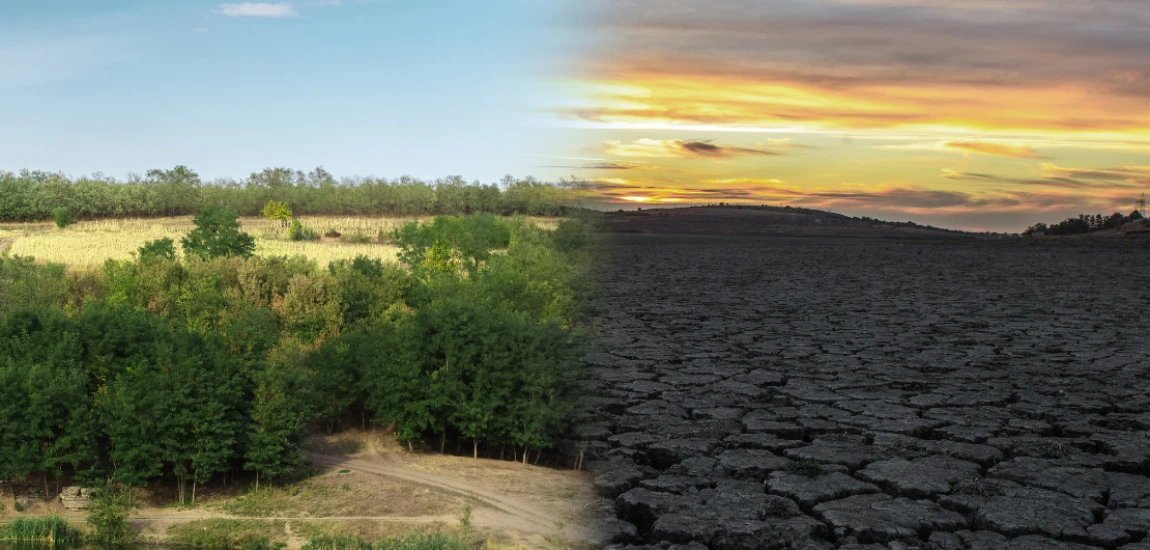
Climate change is transforming the way people travel, when they choose their holidays, and which destinations they consider attractive. Rising temperatures, unpredictable rainfall, heatwaves, wildfires, floods, and changing snowfall patterns are influencing tourism demand across the world. Destinations that once relied on predictable peak seasons may now face shorter booking windows, unexpected cancellations, or new opportunities during previously quiet months.
Climate-Adaptive Tourism Demand and Seasonal Transformation Models help tourism businesses and destination managers understand these changes and prepare for future conditions. By analyzing climate trends, booking patterns, traveler preferences, and seasonal risks, tourism organizations can adjust their services, marketing strategies, infrastructure, and visitor management plans.
For example, a traditionally popular summer destination may promote spring and autumn travel to avoid extreme heat. A mountain resort experiencing less reliable snowfall may invest in hiking, wellness, and cultural activities throughout the year. These adaptations can protect business revenue while helping visitors enjoy safer and more comfortable experiences.
Understanding the relationship between climate and tourism demand is becoming essential for long-term destination planning. With accurate forecasting, flexible business strategies, and responsible environmental management, destinations can respond to changing conditions while protecting local communities and natural resources.
Understanding Climate-Adaptive Tourism Demand

How Weather Influences Travel Decisions
Weather has a major influence on tourism decisions because travelers want conditions that support their preferred activities. Beach visitors may seek sunshine and comfortable temperatures, while hikers often prefer moderate weather and clear trails. Ski travelers depend on reliable snowfall, and wildlife enthusiasts may plan trips around seasonal migration patterns.
When weather conditions become less predictable, travelers may change their destinations, shorten their stays, or postpone bookings. Extreme heat can make outdoor sightseeing uncomfortable, while heavy rainfall may disrupt transport and recreational activities. Even the possibility of severe weather can influence decisions before a trip begins.
Climate-adaptive tourism demand analysis examines these relationships to understand how environmental conditions affect visitor behavior. It helps businesses anticipate demand changes instead of relying entirely on historical seasonal patterns.
Combining Climate Data With Tourism Analytics
Tourism organizations can analyze temperature records, precipitation trends, extreme-weather warnings, visitor arrivals, hotel occupancy, booking cancellations, and online travel searches. Combining these sources can reveal patterns that traditional forecasting may overlook.
For instance, repeated heatwaves may correspond with lower demand for midday outdoor tours but greater interest in evening activities or cooler destinations. A coastal destination might experience increased cancellations during storm-prone periods, encouraging businesses to improve flexible booking policies.
Data analysis should distinguish short-term weather fluctuations from long-term climate trends. A single unusually cold winter does not necessarily indicate a permanent change in destination conditions.
Why Adaptive Planning Matters
Climate-adaptive planning helps destinations protect revenue, improve visitor safety, and maintain service quality. It also encourages businesses to consider whether their current tourism products will remain attractive under future environmental conditions.
Rather than assuming that previous peak seasons will continue indefinitely, tourism managers can develop several possible demand scenarios. This approach supports better investment decisions and reduces dependence on activities that may become increasingly vulnerable to climate change.
How Climate Change Transforms Traditional Travel Seasons

The Changing Length of Peak Seasons
Many destinations organize their operations around established high, shoulder, and low seasons. However, rising temperatures and shifting weather patterns can alter when visitors arrive and how long a destination remains attractive.
In some hot regions, extreme summer temperatures may encourage travelers to visit during spring or autumn instead. This can extend demand into previously quieter months while reducing pressure during the hottest period. In mountain destinations, shorter snow seasons may affect winter tourism and create uncertainty for ski operators.
These changes do not occur equally everywhere. Some destinations may experience longer periods suitable for outdoor activities, while others may face shorter or less reliable seasons. Businesses must examine local conditions instead of assuming that climate trends will have identical effects across regions.
New Opportunities During Shoulder Seasons
Shoulder seasons—the periods between peak and low demand—can become increasingly important as travelers seek comfortable temperatures and fewer crowds.
Destinations can promote cultural festivals, food tours, wellness retreats, cycling, heritage walks, and nature experiences during these months. Hotels may introduce seasonal packages, while tour operators can develop activities suited to changing weather conditions.
Extending tourism across more months can improve staff retention, reduce pressure on infrastructure during peak periods, and distribute visitor spending more evenly. However, businesses must ensure that attractions, transport, and local services remain available when demand shifts.
Rethinking Seasonal Marketing
Marketing calendars should reflect actual environmental conditions and traveler interests rather than following the same schedule every year. Destination marketers can use climate outlooks, search trends, and booking data to adjust campaign timing.
For example, if spring conditions are becoming more suitable for outdoor activities, promotional campaigns can begin earlier. If summer heat creates discomfort, businesses can highlight shaded attractions, indoor experiences, evening tours, and cooler nearby areas.
Flexible seasonal marketing helps destinations respond to changing conditions while communicating realistic expectations to visitors.
Predicting Tourism Demand With Climate Intelligence

Using Predictive Models to Forecast Visitor Behavior
Predictive tourism models combine historical tourism data with climate information to estimate future demand. These models can examine relationships between weather conditions, visitor arrivals, hotel occupancy, travel spending, and booking cancellations.
Machine learning can help identify complex patterns across different data sources, while conventional statistical methods can provide useful forecasts when relationships are relatively straightforward. The most appropriate approach depends on data quality, destination size, and available technical resources.
Forecasts can help businesses estimate staffing requirements, prepare inventory, schedule tours, and plan promotional campaigns. They can also support destination authorities in anticipating pressure on roads, water supplies, public spaces, and emergency services.
Developing Different Climate Scenarios
Future conditions are uncertain, so tourism organizations should avoid depending on a single forecast. Instead, they can develop multiple scenarios representing different levels of heat, rainfall, extreme-weather disruption, or seasonal change.
A coastal destination, for example, might assess how a typical season would differ from one with more frequent storms. A winter resort could examine how different snowfall conditions would affect bookings and operating costs.
Scenario planning helps managers identify vulnerabilities before they become emergencies. It also reveals which investments remain useful across several possible futures, such as improved drainage, energy-efficient buildings, flexible attractions, and diversified tourism products.
Improving Data Quality and Decision-Making
Forecasting is only as reliable as the information behind it. Tourism organizations should combine credible climate records with accurate booking information and regularly updated operational data.
Managers should also compare predictions with actual outcomes. If a model consistently underestimates cancellations during extreme heat, it may require new variables or recalibration.
Forecasts should support human judgment rather than replace it. Local knowledge, traveler feedback, safety guidance, and community priorities remain essential when deciding how to respond to changing tourism demand.


Ben Schlappig runs "One Mile at a Time," focusing on aviation and frequent flying. He offers insights on maximizing travel points, airline reviews, and industry news.
Ben Schlappig

Prev Post

Next Post