
Climate-Adaptive Destinations – How Tourism Is Evolving for Heat, Floods, and Extreme Weather
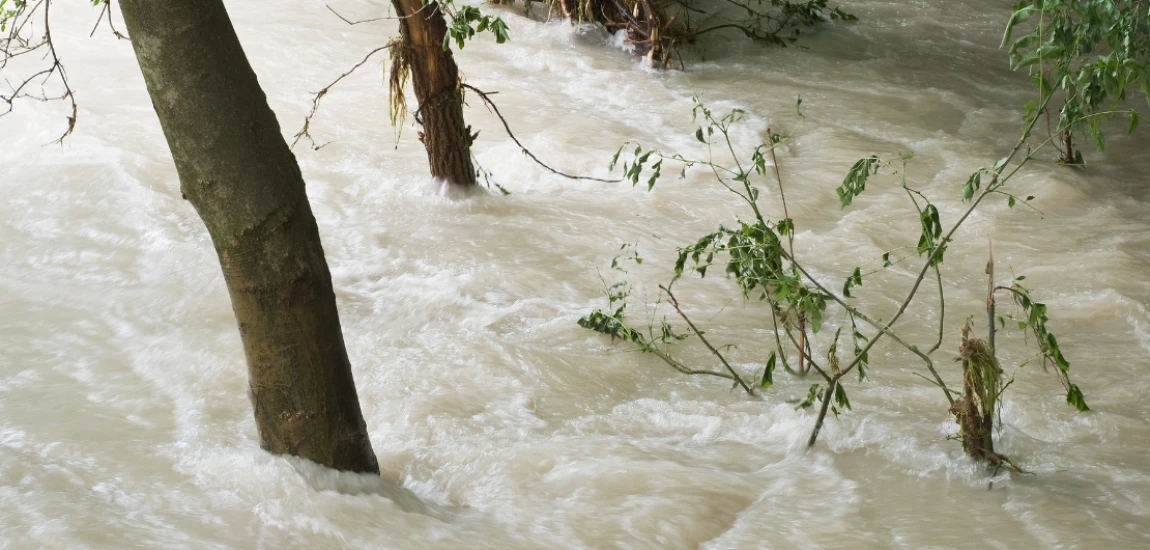
Climate change is transforming the way people travel and the way destinations prepare for visitors. Rising temperatures, heavier rainfall, flooding, droughts, wildfires, storms, and other extreme weather events are increasingly influencing tourism decisions. Destinations that were once considered ideal year-round travel locations may now face periods when extreme conditions make tourism difficult, uncomfortable, or even dangerous.
This changing environment is creating the need for Climate-Adaptive Destinations. Rather than simply reacting to climate-related disruptions, tourism destinations are beginning to consider how infrastructure, hospitality, transportation, attractions, and visitor services can adapt to changing environmental conditions.
Climate-adaptive tourism is about more than building stronger infrastructure. It involves rethinking how destinations operate during extreme weather. Cities may create shaded public spaces, improve drainage systems, develop cooling centers, expand green areas, and redesign outdoor attractions. Hotels may introduce heat-management systems, water-saving technologies, emergency plans, and climate-conscious building designs. Tourism operators may adjust schedules according to weather conditions and offer visitors alternative activities when outdoor experiences become unsafe.
Travelers are also becoming more aware of climate risks. Extreme heat can influence where people travel and when they travel. Flooding can interrupt transportation. Wildfires can affect air quality and access to natural attractions. Severe storms can result in cancellations and unexpected changes to itineraries.
The future of tourism will therefore require destinations to become more flexible and resilient. Climate-resilient tourism, sustainable tourism, extreme weather travel planning, and climate-smart destinations are likely to become increasingly important concepts for the global tourism industry.
Understanding the Rise of Climate-Adaptive Destinations

Climate-adaptive destinations are places that actively modify their tourism systems to respond to changing environmental conditions. The goal is not necessarily to prevent every climate-related event, because extreme weather cannot always be avoided. Instead, destinations can prepare for potential impacts and reduce risks to visitors, residents, businesses, and infrastructure.
Why Climate Adaptation Matters for Tourism
Tourism depends heavily on environmental conditions. Beaches, mountains, forests, cultural sites, outdoor attractions, and city spaces all depend on a relatively stable climate. When temperatures become extreme or weather patterns become unpredictable, traditional tourism models can become less reliable.
For example, a destination that traditionally receives most visitors during summer may experience declining demand if temperatures become uncomfortable. Travelers may choose spring or autumn instead, creating new seasonal patterns.
Similarly, coastal destinations may need to prepare for stronger storms and rising flood risks. Mountain destinations may need to adapt to changing snowfall patterns. Urban tourism centers may need to manage extreme heat in crowded streets and public spaces.
Climate adaptation therefore becomes both an environmental and economic priority.
Moving Beyond Traditional Sustainability
Sustainable tourism traditionally focuses on reducing environmental damage, conserving resources, protecting ecosystems, and supporting local communities. Climate adaptation adds another important dimension: preparing tourism systems for environmental changes that are already occurring or are increasingly likely.
A hotel can reduce energy consumption, for example, but it also needs to consider whether its building can remain comfortable during increasingly hot conditions. A coastal resort can protect marine ecosystems while also preparing for storm surges and flooding.
This means future tourism planning will need to combine sustainability and resilience.
Designing Tourism for Uncertainty
Climate-adaptive destinations must be prepared for uncertainty. Weather conditions may change rapidly, and historical patterns may no longer provide reliable guidance.
Tourism organizations can use climate data, weather forecasting, visitor information, and risk assessments to identify vulnerabilities. They can then develop flexible plans that allow services to continue during changing conditions.
The result is a tourism model designed not only for today's climate but also for the environmental realities of tomorrow.
How Tourism Is Adapting to Extreme Heat

Extreme heat is becoming one of the most important challenges facing destinations, particularly cities and regions that attract visitors for outdoor activities. High temperatures can reduce comfort, increase health risks, and make traditional sightseeing difficult during certain periods.
Creating Cooler Tourist Spaces
Destinations can redesign public spaces to make them more comfortable during hot weather. Shade structures, trees, water features, reflective surfaces, covered walkways, and cooling areas can help reduce heat exposure.
Urban tourism areas can create shaded pedestrian routes connecting hotels, attractions, restaurants, and transportation hubs. This allows visitors to move around with less exposure to direct sunlight.
Green infrastructure can also provide long-term benefits. Trees and vegetation can reduce surface temperatures while making public spaces more attractive.
For travelers, these changes can transform the experience of visiting a destination during hot weather. Instead of avoiding cities completely, visitors may be able to explore them safely during carefully planned periods.
Changing Tourism Schedules
Extreme heat may also change the traditional daily rhythm of tourism. Activities that were previously popular in the afternoon may shift toward mornings and evenings.
Outdoor tours could begin earlier. Museums and indoor attractions could become more important during the hottest hours. Restaurants and entertainment venues could extend evening services.
This could contribute to the growth of cool-hour tourism, where destinations organize experiences around more comfortable periods of the day.
Travelers can also adapt by planning sightseeing during cooler hours, staying hydrated, taking regular breaks, and choosing accommodations with suitable cooling facilities.
Climate-Responsive Hospitality
Hotels and resorts will increasingly need to consider heat resilience. Energy-efficient cooling systems, insulated buildings, shaded outdoor areas, natural ventilation, reflective roofs, and smart temperature controls can improve comfort while reducing energy demand.
Hospitality businesses may also provide guests with heat-related information and recommend appropriate schedules for outdoor activities.
This creates a more responsive form of hospitality in which the environment becomes part of the travel planning process.
Preparing Destinations for Floods and Heavy Rainfall

Flooding presents another major challenge for tourism. Heavy rainfall can damage roads, close airports, disrupt public transportation, affect hotels, and temporarily make attractions inaccessible.
Improving Drainage and Infrastructure
Climate-adaptive destinations can invest in stronger drainage systems and infrastructure designed to manage heavier rainfall.
Cities can expand stormwater drainage networks, restore wetlands, create permeable surfaces, and introduce rain gardens. These approaches can help absorb or redirect excess water.
Tourism infrastructure can also be designed with flood risks in mind. Hotels, visitor centers, transportation facilities, and attractions located in vulnerable areas may require additional protection.
Such investments benefit residents as well as travelers because resilient infrastructure improves the overall safety and functionality of a destination.
Developing Flexible Travel Plans
Flooding can cause sudden changes to travel itineraries. A road may become inaccessible, a tour may be canceled, or a transportation route may temporarily close.
Tourism businesses can prepare by creating alternative routes and backup activities. Tour operators can maintain indoor options for rainy periods. Hotels can provide updated information about local conditions and transportation.
Travelers can also improve their resilience by avoiding overly rigid itineraries. Building flexibility into travel plans allows visitors to adapt when weather conditions change.
Using Real-Time Information
Technology can play an important role in flood preparedness. Tourism platforms can combine weather information, transportation updates, road conditions, and local alerts to provide timely information.
A traveler could receive a notification that heavy rainfall is expected and that a particular route may be affected. Instead of discovering the disruption after arriving, the traveler could change plans in advance.
This is where climate adaptation intersects with smart tourism technology.
Adapting Tourism to Storms, Wildfires, and Other Extreme Events

Heat and flooding are not the only challenges facing tourism. Wildfires, hurricanes, severe storms, droughts, landslides, and other extreme events can also disrupt destinations.
Building Stronger Emergency Systems
Tourism destinations need emergency systems that consider both residents and temporary visitors. Travelers may not understand local warning systems, evacuation routes, or emergency procedures.
Hotels and tourism businesses can provide clear instructions in accessible formats. Staff can receive emergency training, and businesses can establish communication procedures for rapidly changing situations.
Destinations can also improve emergency transportation and evacuation planning in areas exposed to major risks.
Preparedness can reduce confusion when extreme weather occurs.
Protecting Natural Tourism Assets
Natural attractions are often among the most vulnerable parts of the tourism industry. Forests can be damaged by wildfires, beaches can experience erosion, and mountain ecosystems can be affected by changing weather patterns.
Protecting these environments is essential for both ecological and economic reasons.
Destinations may need to regulate visitor access during high-risk periods. A hiking trail could temporarily close during extreme heat or wildfire conditions. A coastal attraction could restrict access during dangerous storms.
Such decisions may disappoint travelers temporarily, but they can protect people and ecosystems over the long term.
Developing Alternative Tourism Experiences
Climate adaptation can also encourage destinations to diversify their attractions.
If an outdoor attraction becomes unsuitable during extreme weather, visitors could be offered cultural, culinary, educational, wellness, or indoor experiences instead.
This reduces dependence on a single type of tourism and helps businesses continue operating during challenging conditions.
A destination with a diverse tourism portfolio is generally better positioned to respond to environmental uncertainty.


Shivya Nath authors "The Shooting Star," a blog that covers responsible and off-the-beaten-path travel. She writes about sustainable tourism and community-based experiences.
Shivya Nath

Prev Post

Next Post