
Climate-Adaptive Destinations: How Tourism Infrastructure Is Evolving for Heat, Floods, and Extreme Weather
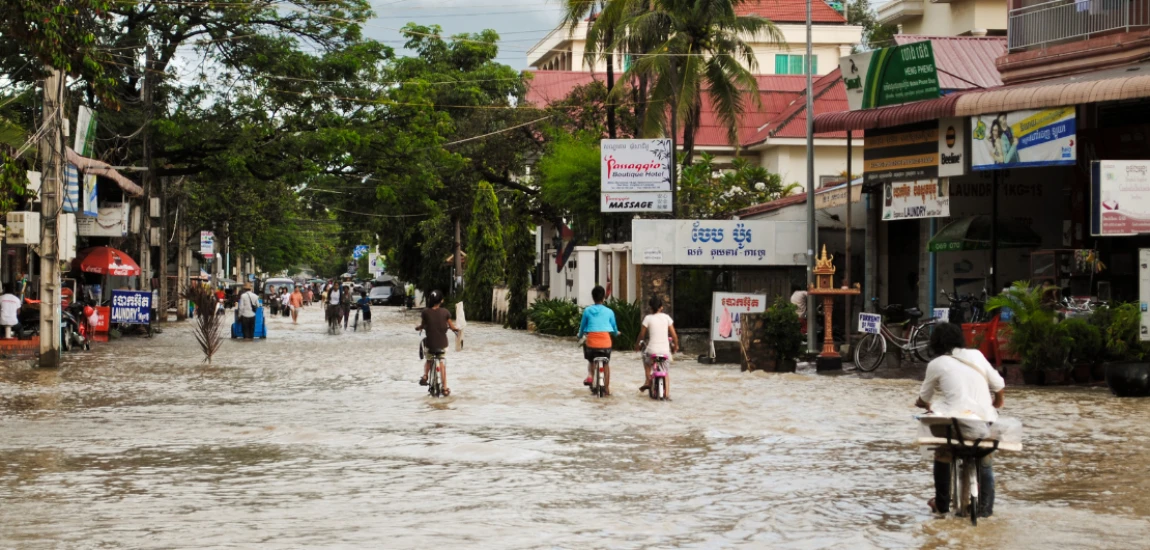
Climate change is transforming the conditions under which people travel. Rising temperatures, heavier rainfall, flooding, stronger storms, droughts, wildfires, and water shortages are creating new challenges for destinations around the world. Tourism infrastructure that was designed around historical weather patterns may increasingly need to adapt to conditions that are hotter, wetter, or more unpredictable.
This is driving interest in climate-adaptive destinations—places that actively redesign tourism infrastructure, services, public spaces, transportation systems, buildings, and visitor experiences to cope with changing environmental conditions.
Climate adaptation in tourism is not simply about protecting hotels and attractions from physical damage. It is also about protecting travelers, local communities, natural ecosystems, and tourism-dependent economies. A destination that cannot safely operate during extreme weather may experience disruptions that affect visitors and residents alike.
The future of tourism could therefore depend on a combination of climate-resilient infrastructure, smart destination management, nature-based solutions, better forecasting, resource efficiency, and thoughtful urban design.
From shaded public spaces and flood-resistant buildings to cooling corridors, water-efficient hotels, resilient transportation, and early-warning systems, destinations are beginning to rethink what tourism infrastructure should look like in a changing climate.
Why Climate-Adaptive Destinations Are Becoming Essential

Tourism depends heavily on environmental conditions. Beaches, mountains, forests, cultural landmarks, outdoor attractions, and urban destinations all operate within climatic limits. As those conditions change, destinations must reconsider how they welcome and protect visitors.
The Growing Impact of Extreme Weather
Extreme weather can affect nearly every part of the tourism system. Heatwaves can make outdoor sightseeing uncomfortable or unsafe. Heavy rainfall can disrupt transportation and damage infrastructure. Flooding can close roads, airports, attractions, and accommodation facilities. Storms can interrupt travel schedules and create significant recovery costs.
These events can also affect local residents, which means tourism adaptation cannot focus only on visitors. A destination's resilience depends on the resilience of its entire community.
Climate-adaptive planning therefore considers how infrastructure performs under increasingly difficult conditions rather than assuming that historical weather patterns will continue indefinitely.
Protecting Tourism Economies
Tourism is an important source of income for many communities. When extreme weather repeatedly disrupts travel, businesses may face cancellations, property damage, supply problems, and reduced visitor numbers.
Climate-resilient tourism infrastructure can help reduce these risks. Stronger buildings, improved drainage, reliable water systems, shaded public spaces, and resilient transportation can allow destinations to continue operating under challenging conditions.
Adaptation can therefore become an economic strategy as well as an environmental one.
Designing for Long-Term Resilience
Climate adaptation should not be treated as a temporary response to individual disasters. Destinations need long-term strategies that consider future climate conditions when planning new hotels, airports, roads, attractions, and public spaces.
This means asking important questions before construction begins: Is the location vulnerable to flooding? Can the building withstand extreme heat? Where will water come from during drought conditions? Can visitors move safely during severe weather?
Answering these questions early can create stronger and more resilient tourism systems.
Designing Tourism Infrastructure for Extreme Heat

Extreme heat is becoming an increasingly important consideration for tourism destinations. Hot conditions can affect visitor comfort, public health, energy consumption, transportation, and the usability of outdoor attractions.
Creating Shade and Cooling Corridors
Destinations can redesign public spaces to provide more shade and opportunities for cooling. Trees, covered walkways, shaded seating, green corridors, and climate-responsive architecture can make outdoor areas more comfortable.
Urban tourism areas could connect attractions through shaded pedestrian routes, allowing visitors to move between locations while reducing direct exposure to intense sunlight.
Water-sensitive landscaping and carefully designed cooling areas can also improve the visitor experience without relying entirely on energy-intensive air conditioning.
Climate-Responsive Buildings
Hotels and tourism facilities can incorporate passive cooling techniques such as improved insulation, reflective surfaces, natural ventilation, external shading, and appropriate building orientation.
These strategies can reduce indoor heat while potentially lowering energy demand.
Future tourism architecture may increasingly prioritize buildings that respond naturally to local climate conditions rather than depending entirely on mechanical cooling.
Adjusting Tourism Activities
Climate adaptation also involves changing how visitors use destinations. During periods of extreme heat, attractions could introduce early-morning or evening operating hours.
Tour operators may shift outdoor activities toward cooler parts of the day, while destinations can provide real-time heat information and recommendations.
This creates a more adaptive tourism model in which infrastructure and visitor schedules respond to environmental conditions.
Flood-Resilient Tourism Infrastructure

Flooding represents another major challenge for tourism destinations, particularly in coastal areas, river communities, and cities with inadequate drainage systems.
Improving Drainage and Water Management
Effective drainage infrastructure can help destinations manage intense rainfall. Cities can upgrade stormwater systems, create retention areas, restore wetlands, and introduce permeable surfaces that allow rainwater to enter the ground.
These measures can reduce pressure on drainage networks while providing additional environmental benefits.
Tourism districts can incorporate rain gardens, green roofs, permeable pathways, and other water-sensitive design features into new developments.
Protecting Hotels and Attractions
Tourism facilities in flood-prone locations may need to rethink building design. Elevated structures, flood-resistant materials, protected electrical systems, and carefully designed access routes can reduce potential damage.
Existing hotels and attractions can also conduct climate-risk assessments to identify vulnerabilities.
Protecting tourism infrastructure does not mean ignoring the surrounding environment. In many cases, restoring natural flood defenses such as wetlands, mangroves, dunes, and river ecosystems can provide valuable protection while supporting biodiversity.
Building Better Emergency Systems
Even well-designed infrastructure cannot eliminate all flood risks. Destinations therefore need strong emergency communication systems.
Visitors should be able to receive clear information about weather warnings, transportation changes, evacuation routes, and safe areas.
Multilingual alerts and simple visual communication can be particularly important for international visitors who may not understand local emergency procedures.
Nature-Based Solutions for Climate-Resilient Tourism

Climate adaptation does not always require more concrete, technology, or mechanical systems. Nature itself can provide powerful solutions when ecosystems are integrated into destination planning.
Restoring Coastal Ecosystems
Coastal tourism destinations face risks from storms, erosion, flooding, and rising sea levels. Mangroves, dunes, wetlands, and coastal vegetation can help absorb wave energy and reduce erosion.
Protecting these ecosystems can therefore serve two purposes: supporting biodiversity and strengthening destination resilience.
Nature-based tourism can also benefit when environmental protection becomes part of the visitor experience.
Expanding Urban Green Spaces
Trees and vegetation can help reduce urban heat while creating more attractive environments for residents and visitors.
Parks, green roofs, planted streets, gardens, and urban forests can provide shade and improve the quality of public spaces.
Tourism destinations can connect these areas into green networks that allow visitors to experience nature while moving through urban environments.
Protecting Natural Tourism Assets
Many destinations depend directly on ecosystems. Coral reefs, forests, wetlands, mountains, beaches, and wildlife habitats attract visitors but can also be vulnerable to climate change.
Climate-adaptive tourism must therefore protect the natural resources on which tourism depends.
This could involve visitor limits, ecosystem restoration, conservation fees, responsible infrastructure, and better monitoring of environmental conditions.


Dave Lee runs "GoBackpacking," a blog that blends travel stories with how-to guides. He aims to inspire backpackers and offer them practical advice.
Dave Lee

Prev Post

Next Post