
Circular Tourism Economy Systems – Reusing Resources and Minimizing Tourism Waste
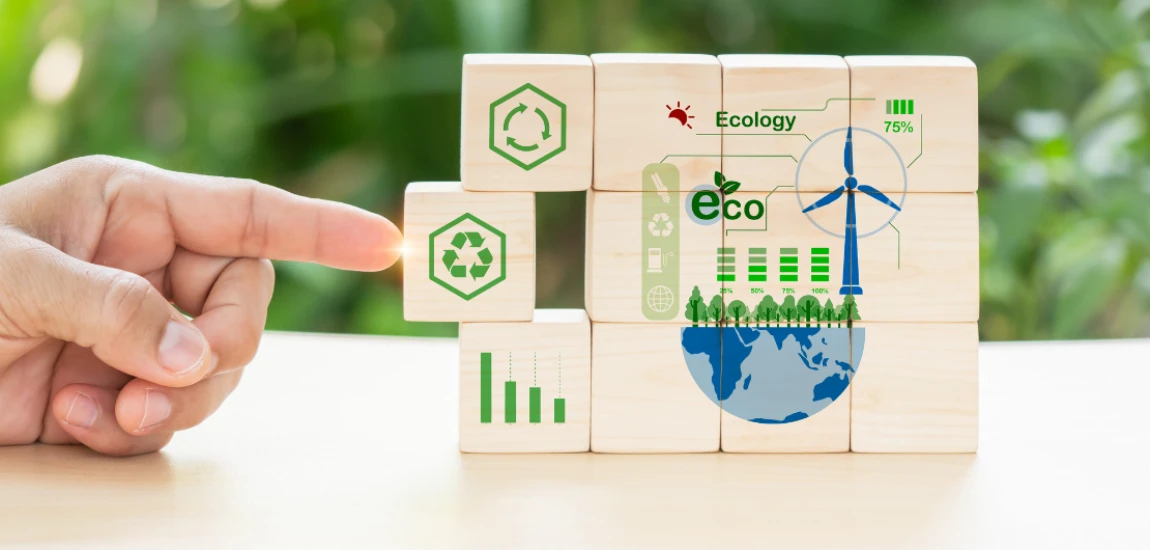
Tourism creates valuable economic and social opportunities, but it also requires significant amounts of resources. Hotels consume water and energy, restaurants use food and packaging, transportation requires fuel and materials, attractions generate waste, and travelers purchase products that may have short lifespans. When these resources are used once and discarded, tourism can contribute to unnecessary waste and environmental pressure.
A Circular Tourism Economy System offers a different approach. Instead of following a traditional linear model of “take, use, and dispose,” circular tourism focuses on keeping resources in use for as long as possible. Products can be reused, repaired, refurbished, shared, recycled, or transformed into new resources.
The concept can be applied throughout the tourism ecosystem. Hotels can reduce single-use products and reuse materials. Restaurants can prevent food waste and source ingredients locally. Tourism businesses can share equipment and resources. Destinations can develop recycling and recovery systems. Travelers can participate by choosing reusable products and supporting businesses that follow circular practices.
Circular tourism is not simply about recycling. It is a broader approach to redesigning tourism systems so that fewer resources are wasted in the first place.
For example, a hotel that replaces disposable toiletries with refillable dispensers is reducing waste at the design and purchasing stage. A restaurant that works with local farms to use food by-products is creating another use for resources. A destination that repairs and reuses tourism infrastructure instead of constantly replacing it is extending the life of materials.
Circular Tourism Economy Systems can also strengthen local economies. Repair businesses, recycling companies, local producers, artisans, farmers, and community enterprises can become part of tourism supply chains.
The result can be a tourism economy that creates value while reducing unnecessary resource consumption.
Understanding Circular Tourism Economy Systems

Circular Tourism Economy Systems are designed to minimize waste and maximize the useful life of resources within tourism. The approach connects tourism businesses, visitors, communities, suppliers, infrastructure, and natural systems into a more resource-efficient network.
Traditional tourism often operates through a linear process. Resources are extracted, products are manufactured, goods are consumed, and unwanted materials become waste. Circular tourism seeks to interrupt this pattern by keeping materials and resources circulating within the economy.
Moving From Linear to Circular Tourism
A circular tourism model asks how resources can remain useful after their initial purpose.
A hotel bed, for example, does not necessarily need to be discarded when it is replaced. Furniture can potentially be repaired, refurbished, donated, or repurposed.
Similarly, food waste can potentially be reduced through better purchasing, portion planning, redistribution, composting, or other appropriate recovery methods.
This approach begins with prevention. The best waste is often waste that was never created.
Designing Tourism Around Resource Efficiency
Circular tourism requires businesses to think about resource use from the beginning.
When purchasing equipment, hotels and attractions can consider durability, repairability, recyclability, and expected lifespan.
Restaurants can consider packaging, food sourcing, storage systems, and opportunities to reduce waste.
Destination planners can design infrastructure that can be maintained and adapted rather than replaced unnecessarily.
This changes tourism planning from short-term consumption toward long-term resource management.
Creating Circular Tourism Networks
Circularity becomes more effective when businesses cooperate.
A hotel may have food scraps that can support a composting operation. A restaurant may need local ingredients that nearby farms can supply. A tourism business replacing furniture may have materials that another organization can reuse.
Creating local networks can connect these resources.
The destination becomes a system where one organization's by-product can potentially become another organization's input.
Reducing Waste Across Tourism Businesses

Tourism businesses generate many different forms of waste, including food waste, packaging, plastics, textiles, furniture, electronics, construction materials, and general waste.
Circular tourism systems can help businesses reduce this waste while improving resource efficiency.
Reducing Single-Use Products
Hotels and tourism facilities can reduce dependence on disposable products.
Refillable water stations, reusable containers, bulk amenities, durable dining products, and reusable service materials can reduce the amount of waste generated during daily operations.
The goal should be to select practical alternatives that maintain hygiene, convenience, and visitor satisfaction.
Businesses can also educate guests about available reuse systems.
Creating Food Waste Reduction Systems
Food waste is an important issue in tourism, particularly within hotels, restaurants, events, and catering operations.
Businesses can reduce food waste through better demand forecasting, inventory management, portion planning, menu design, food storage, and staff training.
Surplus food that is safe and appropriate for redistribution can potentially be directed toward suitable community programs where local systems allow.
Organic waste that cannot be reused as food may be suitable for composting or other recovery processes.
Extending the Life of Tourism Products
Tourism businesses use many products that can have long useful lives.
Furniture, linens, uniforms, equipment, signage, decorations, and technology may be repaired or refurbished rather than immediately discarded.
Businesses can establish maintenance schedules and repair programs.
Extending product lifespans reduces the need to purchase replacements and lowers the volume of discarded materials.
Creating Circular Tourism Supply Chains

Circular tourism becomes more powerful when resource efficiency extends beyond individual businesses into the wider tourism supply chain.
Hotels, restaurants, attractions, transportation providers, suppliers, farms, manufacturers, recycling organizations, and local businesses can work together to create circular resource networks.
Supporting Local and Circular Suppliers
Tourism businesses can prioritize suppliers that use durable, repairable, recycled, reusable, or locally produced materials.
Local procurement can also reduce transportation requirements and create economic opportunities within the destination.
For example, hotels may purchase locally produced furniture, food, crafts, or amenities.
This can connect tourism spending with local producers while potentially reducing resource and transportation impacts.
Developing Resource-Sharing Networks
Businesses do not always need to purchase and own every resource they use.
Equipment, event materials, transportation resources, storage facilities, tools, and other assets can sometimes be shared between businesses.
A destination-wide sharing network can increase utilization.
For example, equipment used only occasionally by one tourism business could potentially be shared with another organization rather than requiring both businesses to purchase separate equipment.
Building Reverse Supply Chains
Traditional supply chains move products toward consumers.
Circular supply chains also need systems that move used materials back toward businesses capable of reusing, repairing, refurbishing, or recycling them.
A hotel replacing mattresses, furniture, electronics, or textiles can work with appropriate recovery partners.
This creates a reverse flow of materials and keeps useful resources out of disposal systems where feasible.


Ben Schlappig runs "One Mile at a Time," focusing on aviation and frequent flying. He offers insights on maximizing travel points, airline reviews, and industry news.
Ben Schlappig

Prev Post

Next Post