
Circular Destination Economy Models – Creating Tourism Systems Based on Reuse and Resource Efficiency
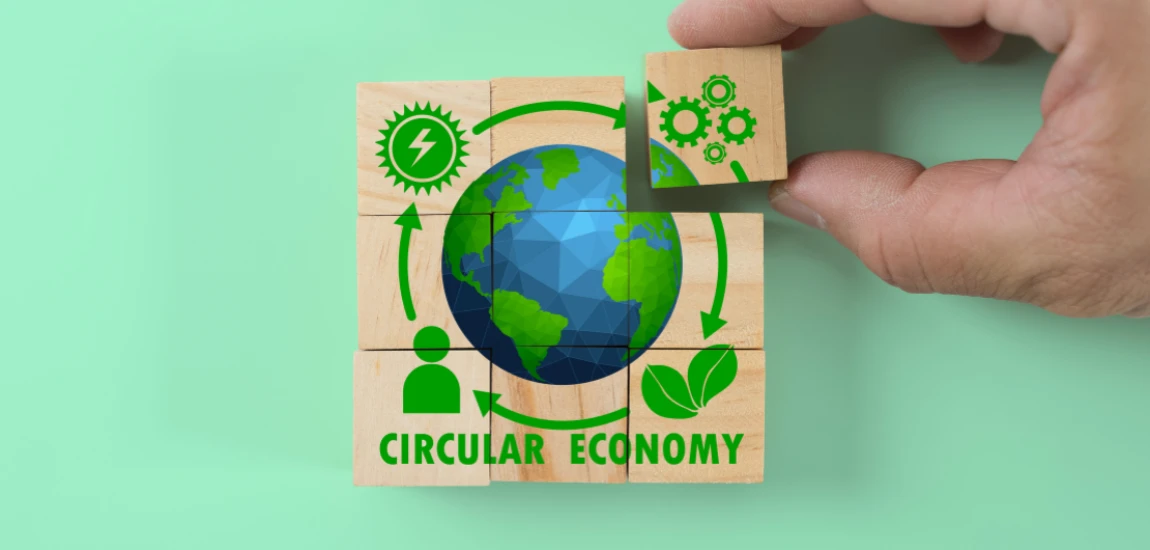
Tourism creates economic opportunities for destinations, but it also requires large amounts of materials, energy, water, food, transportation, and infrastructure. Hotels consume electricity and water, restaurants purchase food and packaging, attractions require maintenance materials, and visitors generate waste throughout their journeys. When resources are extracted, consumed, and discarded without recovery, tourism can create unnecessary environmental pressure and economic costs.
Circular Destination Economy Models provide an alternative approach. Instead of following a traditional linear model of “take, use, and dispose,” circular tourism systems aim to keep materials, products, energy, water, and other resources in use for as long as possible. Waste becomes a potential resource, products are reused or repaired, materials are recycled, and businesses collaborate to reduce unnecessary consumption.
A circular destination does not treat tourism businesses as isolated operations. Hotels, restaurants, attractions, transportation providers, farms, waste-management organizations, manufacturers, communities, and local governments can form connected resource networks. One business's unused material may become another business's input.
For example, organic food waste from hotels and restaurants can be processed into compost for local farms. Used furniture from accommodation businesses can be repaired and reused rather than discarded. Local farms can supply restaurants, reducing transportation requirements and strengthening regional food systems. Reusable packaging systems can reduce single-use materials across tourism businesses.
Circular destination economy models therefore combine environmental responsibility with economic efficiency. They can reduce waste, lower operating costs, create local business opportunities, improve resource security, and strengthen the resilience of tourism destinations.
Understanding Circular Destination Economy Models

What a Circular Tourism Economy Means
A circular tourism economy is a system in which resources remain useful for as long as possible instead of quickly becoming waste.
In a traditional tourism model, businesses purchase products, use them, and dispose of them. This creates continuous demand for new materials and generates waste.
A circular model looks for ways to reduce consumption, extend product lifecycles, reuse materials, repair equipment, recycle resources, and recover value from waste.
For destinations, this approach can operate across the entire tourism ecosystem.
Hotels can reuse furniture and linens. Restaurants can reduce food waste and packaging. Events can use reusable infrastructure. Attractions can repair equipment. Transportation systems can use energy more efficiently.
Why Resource Efficiency Matters in Tourism
Tourism destinations often experience seasonal demand. During peak periods, resource consumption can rise sharply.
Water, energy, food, transportation capacity, and waste-management systems can become strained.
Circular economy strategies can reduce these pressures by using resources more efficiently.
Efficient water systems can reduce consumption. Food recovery programs can minimize waste. Renewable energy and energy-efficient equipment can reduce energy demand.
Resource efficiency can therefore improve both environmental performance and business operations.
Moving From Individual Businesses to Destination Systems
A circular economy becomes more powerful when businesses collaborate.
One hotel may produce limited food waste, but hundreds of tourism businesses can generate a significant volume of recoverable materials.
Destination-wide coordination can connect these resources with organizations that can reuse or process them.
This creates circular tourism networks where resources circulate between businesses and communities.
Reducing Waste Through Reuse and Recovery

Creating Tourism Reuse Systems
Reuse is one of the simplest ways to reduce tourism waste.
Instead of using disposable products once, destinations can introduce reusable alternatives.
Hotels can provide refillable bathroom products, reusable bottles, washable food containers, and durable furnishings.
Events can use reusable cups, signage, decorations, furniture, and temporary structures.
These practices reduce the demand for new materials and lower the amount of waste entering landfills.
Reducing Food Waste
Food waste is an important issue across hotels, restaurants, resorts, events, and attractions.
Tourism businesses can use better purchasing systems, inventory tracking, portion management, food donation programs, and composting to reduce unnecessary waste.
Local partnerships can make food recovery more effective.
Surplus edible food can potentially be redirected through appropriate community programs, while unavoidable organic waste can be processed into compost or other useful resources.
This creates a stronger relationship between tourism and local food systems.
Repairing and Refurbishing Tourism Assets
Not every damaged or outdated tourism product needs to be replaced.
Furniture, bicycles, equipment, fixtures, uniforms, signage, and other materials can often be repaired or refurbished.
Local repair businesses can benefit from these activities.
Repair also extends product lifecycles and reduces the need for new manufacturing.
Destinations can encourage businesses to include repairability and durability when purchasing tourism equipment.
Building Circular Resource Networks Across Destinations

Connecting Tourism Businesses With Local Suppliers
Circular tourism becomes more effective when local supply chains are connected.
Hotels and restaurants can purchase food from nearby farms. Tourism businesses can source furniture from local manufacturers using recovered materials. Attractions can work with local repair providers.
These relationships keep resources and money circulating within the destination.
They can also reduce dependence on distant supply chains.
Creating Industrial Symbiosis in Tourism
Industrial symbiosis occurs when the waste or unused resources of one organization become useful inputs for another.
A tourism destination can apply this concept in practical ways.
For example, used cooking oil may be collected for appropriate processing. Organic waste can support compost production. Certain discarded materials may be recovered for local manufacturing.
Hotels, restaurants, farms, recycling companies, and other organizations can therefore become part of a connected resource network.
Developing Shared Infrastructure
Some circular solutions require infrastructure that individual businesses may not be able to afford.
Destinations can support shared recycling facilities, food-waste processing, refill stations, repair centers, reusable packaging systems, and resource exchange platforms.
Shared infrastructure can make circular practices easier for smaller tourism businesses.
It also allows destinations to coordinate resource recovery at a larger scale.


Shivya Nath authors "The Shooting Star," a blog that covers responsible and off-the-beaten-path travel. She writes about sustainable tourism and community-based experiences.
Shivya Nath

Prev Post

Next Post