
Circadian-Friendly Travel Design – How Destinations and Hotels Could Help Travelers Adjust to New Time Zones
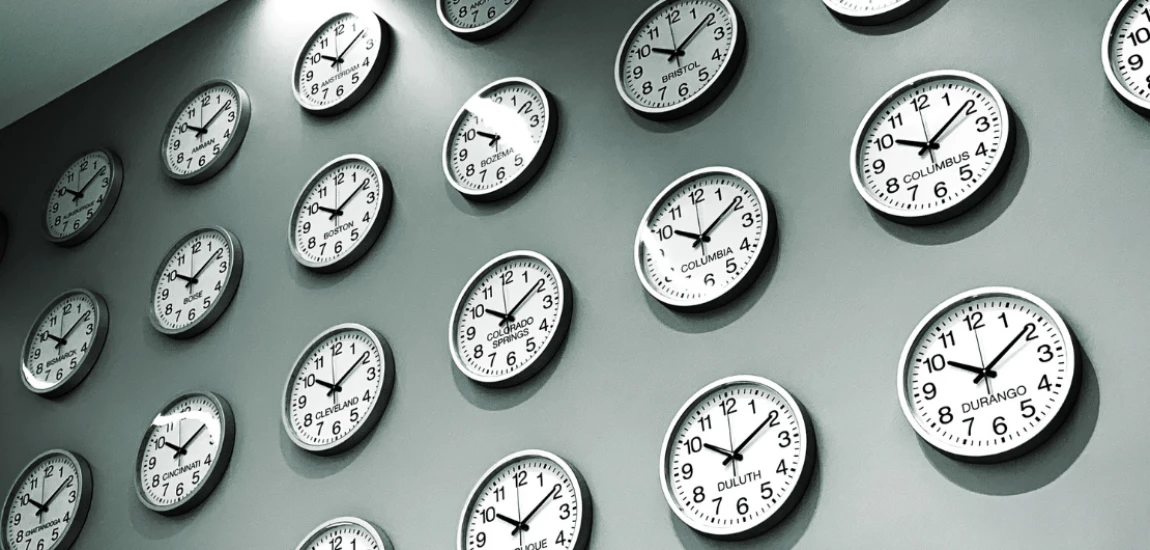
Traveling across time zones can be exciting, but it can also disrupt the body's natural sleep-wake rhythm. A traveler may arrive at a beautiful destination ready to explore, only to experience tiredness, difficulty sleeping, poor concentration, or an unusual feeling of being awake at the wrong time. This familiar experience is commonly associated with jet lag.
The human body follows an internal biological clock known as the circadian rhythm. This rhythm helps regulate sleep, alertness, body temperature, hormones, and other daily processes. When travelers rapidly cross multiple time zones, their internal clock may temporarily remain synchronized with their previous location while the local environment operates according to a different schedule.
Traditionally, managing jet lag has been considered primarily the traveler's responsibility. People are advised to adjust their sleeping schedule, seek daylight, stay hydrated, and gradually adapt to local time. However, the future of tourism could take a more comprehensive approach.
Circadian-friendly travel design is an emerging concept focused on designing hotels, destinations, transportation systems, and travel experiences around travelers' biological rhythms. Instead of simply providing a bed at a destination, hotels could potentially create environments that support healthy transitions between time zones.
Smart lighting, flexible check-in systems, quiet rooms, personalized schedules, wellness facilities, natural daylight, and technology-enabled travel planning could all contribute to a more comfortable adjustment process.
The goal would not be to eliminate every effect of changing time zones. Rather, destinations could make the transition easier by designing travel experiences that respect how the human body responds to changes in light, sleep, activity, and daily routines.
Understanding Circadian-Friendly Travel Design

What is circadian travel design?
Circadian-friendly travel design focuses on aligning travel environments and experiences with the body's natural 24-hour biological cycle. In tourism, this could mean considering how lighting, hotel rooms, meal schedules, activities, noise, and daily routines affect travelers who are adapting to a new local time.
For example, a hotel could use adjustable lighting systems that help guests create brighter or darker environments according to their preferred schedule. Guest rooms could provide strong blackout options for daytime rest, while common areas could make greater use of natural daylight during appropriate local hours.
This approach could become part of wellness travel design, particularly as travelers increasingly seek experiences that support rest and recovery.
Why time-zone changes affect travelers
When someone travels across several time zones, their internal body clock may not immediately match the local time. If a traveler leaves one country in the evening and arrives somewhere where it is morning, their body may still be prepared for nighttime.
This mismatch can make normal activities feel difficult. A traveler may be tired during the afternoon but unable to sleep comfortably at night. Concentration and energy can also feel different from usual.
The adjustment process varies between individuals and depends on factors such as travel direction, number of time zones crossed, travel schedule, and personal routines.
Designing around biological rhythms
Circadian-friendly tourism recognizes that travelers are not simply moving geographically. They are also moving between different environmental rhythms.
Destinations can therefore consider daylight, darkness, quiet periods, meal timing, activity schedules, and rest opportunities when designing visitor experiences.
This could create a more human-centered tourism model where the physical and biological needs of travelers are considered alongside attractions and entertainment.
How Hotels Could Support Time-Zone Adjustment

Smart lighting in hotel rooms
Lighting could become one of the most important elements of circadian-friendly hospitality. Modern hotel rooms could provide flexible lighting environments that allow travelers to create brighter or darker spaces depending on the time of day.
Smart lighting systems could potentially offer preset modes such as morning, daytime, evening, and sleep environments. Guests could control these settings through a room panel or mobile application.
Hotels could also maximize access to natural daylight by designing rooms with appropriate windows, curtains, and layouts.
Rather than treating lighting as purely decorative, future hospitality design could use it as part of a broader sleep-friendly hotel experience.
Quiet rooms and sleep-supportive environments
Noise is another important consideration when travelers are trying to establish a new sleep schedule. Hotels located near airports, entertainment districts, busy roads, or crowded public areas could provide better sound insulation and quiet-room options.
Blackout curtains, comfortable bedding, appropriate room temperatures, and reduced nighttime disturbances could create a more supportive sleeping environment.
A hotel could also offer guests the option to request quiet floors or rooms away from elevators and other high-traffic areas.
These relatively simple features could make the adjustment period more comfortable.
Flexible check-in and check-out
Traditional hotel schedules do not always align with international travel. A traveler arriving early in the morning after a long overnight flight may have to wait several hours before accessing a room.
Future circadian-friendly hotels could experiment with flexible arrival systems, short rest stays, early room access, or dedicated recovery lounges.
Providing travelers with a comfortable place to rest after a long journey could reduce unnecessary stress and make it easier to transition into the destination's local schedule.
The Role of Destinations in Reducing Travel Fatigue

Designing accessible daylight experiences
Destinations could encourage travelers to experience local environments during appropriate daytime periods. Parks, waterfronts, walking routes, outdoor cafés, cultural districts, and nature attractions can provide opportunities to spend time outdoors.
A destination planning system could organize recommendations around local time rather than simply displaying attractions in order of popularity.
For example, a travel application might recommend a relaxed outdoor experience during the daytime and quieter indoor activities later in the evening.
This could help visitors develop a natural daily rhythm after arrival.
Creating slower arrival experiences
Travelers do not necessarily need to begin sightseeing immediately after reaching a destination. Airports, hotels, tourism boards, and transportation providers could create “arrival recovery” experiences.
These might include easy transportation connections, quiet waiting spaces, comfortable hotel lounges, simple meal options, and low-effort activities near accommodation.
Such services could make the first day of an international trip less demanding.
Instead of encouraging visitors to immediately complete a packed sightseeing schedule, destinations could promote gradual adaptation.
Time-zone-aware tourism planning
Travel platforms could potentially ask travelers where they are traveling from, where they are going, and how long they will stay. An intelligent system could then create a flexible itinerary that takes the adjustment period into account.
The first day might contain fewer activities, while later days could gradually include more demanding experiences.
This could turn jet lag management into a component of destination planning rather than an issue travelers must solve alone.
Technology and the Future of Circadian Travel

AI-powered travel schedules
Artificial intelligence could help create personalized travel schedules based on local time, travel duration, traveler preferences, and daily routines.
Instead of generating the same itinerary for every visitor, an AI travel assistant could potentially recommend different schedules depending on when someone arrives.
A traveler arriving after a long overnight flight might receive a slower first-day plan. Another traveler arriving after a daytime journey could receive a more active schedule.
This type of adaptive travel planning could make tourism more responsive to individual needs.
Smart hotel environments
Connected hotel rooms could potentially integrate lighting, temperature, curtains, entertainment systems, and sleep-related settings into a single personalized environment.
Guests could select a preferred routine, and the room could automatically adjust certain environmental features according to that preference.
For example, a traveler could configure a gradual morning lighting experience or create a quiet nighttime environment.
The emphasis should remain on user control. Technology should support the guest's preferences rather than make assumptions about their health or biological needs.
Wearables and travel technology
Wearable devices can provide travelers with information about sleep, activity, and daily routines. With appropriate permission, future travel applications could potentially use selected information to provide more personalized recommendations.
For example, an application might notice that a traveler has had limited sleep and suggest a less demanding schedule.
However, privacy would be essential. Health-related and biometric information is highly personal, so travelers should have clear control over what information is shared and how it is used.


Ben Schlappig runs "One Mile at a Time," focusing on aviation and frequent flying. He offers insights on maximizing travel points, airline reviews, and industry news.
Ben Schlappig
Prev Post

Next Post