
Circadian Travel Design: How Travel Schedules Can Work With the Body’s Natural Biological Clock
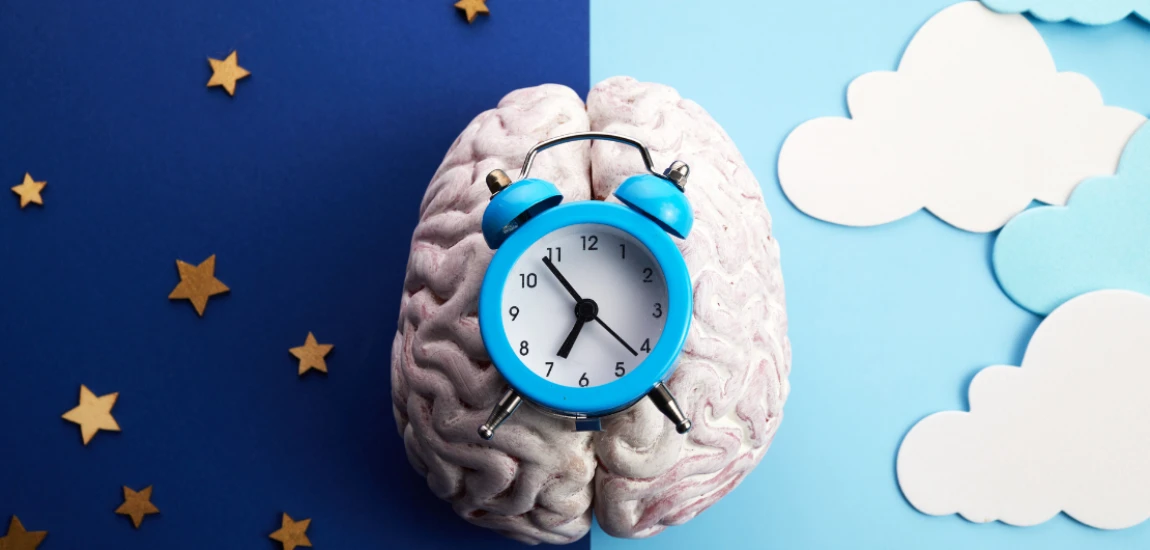
Travel can take people across time zones, climates, environments, and daily routines within just a few hours. While airplanes and high-speed transportation make global travel easier, the human body still operates according to an internal biological rhythm. This natural cycle influences sleep, alertness, body temperature, hunger, and energy throughout the day. When travel schedules suddenly disrupt that rhythm, travelers may experience tiredness, difficulty sleeping, reduced concentration, and lower energy.
This is creating interest in circadian travel design, an approach that considers the body's natural biological clock when planning journeys. Instead of treating jet lag and disrupted routines as unavoidable parts of travel, circadian-friendly tourism explores how transportation, accommodation, activities, light exposure, meals, and daily schedules could be designed to support the body's natural rhythms.
Circadian travel design does not mean every traveler needs an identical schedule. People have different routines, preferences, and biological patterns. Instead, the concept focuses on creating more flexible and body-aware travel experiences.
Future airlines, hotels, airports, destinations, and travel platforms could potentially use personalized information to help travelers transition between time zones more comfortably. Even simple strategies—such as adjusting activity times, seeking appropriate daylight, protecting sleep opportunities, and avoiding unnecessarily demanding schedules immediately after arrival—could make travel feel less exhausting.
As tourism becomes increasingly focused on wellness, personalization, and human-centered experiences, working with the body's natural rhythm could become another important part of the future travel experience.
Understanding Circadian Travel Design

Circadian travel design is based on the idea that travel experiences should take the body's internal timing system into account. The circadian rhythm is approximately a 24-hour biological cycle that helps regulate sleep and wakefulness and interacts with environmental cues such as light, darkness, meals, and daily activity.
Why the Body Clock Matters During Travel
The human body does not automatically adjust to a new time zone simply because a plane lands in another country. When local time changes rapidly, the internal body clock can temporarily become misaligned with the external environment.
This mismatch can make a traveler feel sleepy during the day or alert when it is time to sleep. It can also make normal activities feel more difficult because the body may not yet be operating according to the destination's schedule.
Circadian travel design recognizes this biological transition as an important part of the travel experience.
Designing Around Biological Timing
Instead of scheduling demanding activities immediately after arrival, travelers could create transition periods that give the body time to adapt.
A destination might offer flexible check-in, quiet hotel environments, early meal options, relaxing arrival experiences, and personalized activity suggestions.
Travel planning could therefore consider not just where travelers are going but when their bodies are ready to participate.
Moving Beyond the Traditional Itinerary
Traditional itineraries often organize travel around attractions and opening hours. Circadian travel design adds another layer: biological timing.
A future itinerary could potentially identify when a traveler is likely to have higher energy and schedule more demanding activities during those periods, while placing slower experiences and rest opportunities elsewhere.
This could create a more comfortable travel rhythm without reducing the richness of the trip.
Travel Schedules That Support the Body Clock

Travel schedules have a major influence on how easily people adjust to new destinations. Long flights, overnight journeys, early departures, and tightly packed itineraries can all make the transition between time zones more challenging.
Creating More Flexible Arrival Days
One useful principle is to avoid making the first day of a trip excessively demanding. After a long journey, travelers may benefit from a lighter schedule that allows them to settle into the new environment.
Instead of immediately visiting several attractions, a traveler could check into the hotel, have a relaxed meal, take a gentle walk, and prepare for the local nighttime routine.
This approach gives the body and mind an opportunity to begin adjusting without adding unnecessary pressure.
Scheduling Activities Around Energy Levels
Not every part of the day feels equally energetic. Circadian travel design can encourage travelers to place demanding activities during periods when they naturally feel more alert.
Sightseeing, hiking, cultural tours, or physically active experiences can be balanced with slower meals, scenic walks, reading, or relaxation.
The result is a more adaptive itinerary rather than a rigid checklist of activities.
Allowing Time for Adjustment
Travelers moving across multiple time zones may need time to establish a new routine. A flexible itinerary can make this easier.
Instead of expecting immediate adaptation, travelers can gradually shift their daily habits toward local time.
Hotels and tourism providers could support this transition through flexible breakfast periods, quiet rooms, wellness spaces, and activities available at different times.
This could make the destination feel more accommodating to travelers whose internal clocks are temporarily out of sync.
Light, Sleep, and Circadian-Friendly Travel

Light is one of the most important environmental signals influencing the body's circadian timing. Travel experiences therefore have an opportunity to use lighting and daylight thoughtfully.
Using Daylight as a Travel Tool
Natural daylight can help travelers connect with the local day-night cycle. Spending time outdoors during appropriate daytime periods can make the destination's rhythm more noticeable to the body.
Instead of spending an entire morning inside after arriving somewhere new, travelers can incorporate outdoor activities into their schedule when practical.
Hotels and destinations can also prioritize access to natural light through windows, balconies, gardens, courtyards, and outdoor spaces.
Designing Better Sleep Environments
Accommodation plays a major role in sleep quality during travel. Comfortable beds are important, but other environmental details matter too.
Quiet rooms, effective curtains or blinds, comfortable temperatures, and reduced nighttime interruptions can help create a more sleep-friendly environment.
Hotels could also provide travelers with clearer information about room locations, expected noise levels, and available quiet options.
This reflects a broader shift toward wellness travel design, where rest becomes an intentional component of the guest experience.
Reducing Unnecessary Nighttime Stimulation
Modern travelers are surrounded by digital screens, notifications, bright signs, and entertainment options. While these can be useful and enjoyable, constant stimulation can make it harder to establish a calm nighttime routine.
Travelers can create quieter evenings by limiting unnecessary notifications, reducing screen use before sleep, and choosing peaceful activities toward the end of the day.
Tourism businesses can contribute by providing relaxing evening environments rather than designing every part of the destination around continuous activity.
Circadian-Friendly Hotels and Destinations

The concept of circadian travel design can extend beyond individual travelers to the architecture and services of hotels, airports, transportation hubs, and entire destinations.
Hotels Designed Around Natural Rhythms
Future hotels could incorporate circadian-conscious design into rooms and common areas. Lighting systems might gradually change throughout the day, while windows and architectural layouts could maximize appropriate daylight.
Hotels could also provide quiet zones, restful outdoor spaces, flexible dining schedules, and personalized wellness services.
These features could make accommodation feel more aligned with the natural rhythm of the guest rather than simply serving as a place to sleep.
Airports and Transportation Hubs
Airports can be particularly challenging environments because travelers may spend hours surrounded by artificial lighting, announcements, crowds, and irregular schedules.
Future airport design could include quieter spaces, natural-light areas, comfortable seating, and places where travelers can rest during long connections.
Clear information and calmer environments could reduce the mental demands associated with navigating major transportation hubs.
Destinations With Flexible Daily Rhythms
Entire destinations could also become more circadian-friendly. Tourism boards and businesses might offer early-morning nature experiences, midday relaxation options, evening cultural programs, and flexible dining opportunities.
This would allow visitors to choose activities according to their energy and adjustment needs.
Instead of assuming every traveler follows the same schedule, destinations could offer a broader range of timing options.


Kate McCulley, the voice behind "Adventurous Kate," provides travel advice tailored for women. Her blog encourages safe and adventurous travel for female readers.
Kate McCulley

Prev Post

Next Post